Understanding the Recent Shifts in US Trade Duties
Washington keeps reshaping international commerce with sweeping new import levies. These changes hit manufacturers across Europe and Asia hard. When the White House adjusts border taxes, global supply chains feel the immediate shock. Companies now scramble to recalculate shipping costs and profit margins. You need to know how these decisions alter the economic landscape before your next shipment clears customs.
Targeted Sectors Under the Microscope
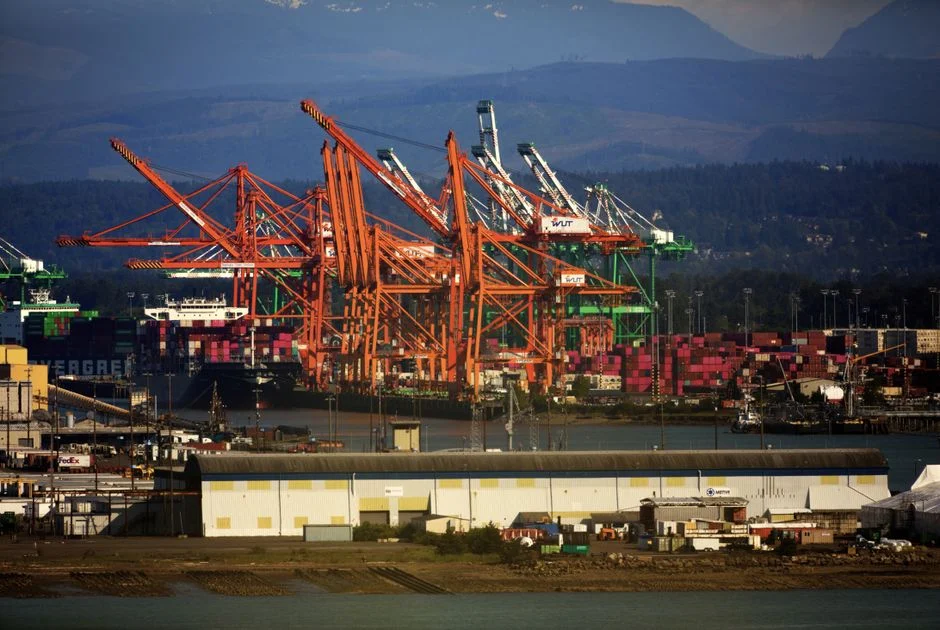
Not all goods face the same financial hurdles. Raw metals, automotive parts, and tech hardware sit right at the center of the latest regulatory push. Officials argue these protective measures shield domestic industries from unfair foreign competition. Critics warn that consumers ultimately foot the bill through higher retail prices. Finding reliable alternative suppliers takes months of careful planning and tough negotiations.
The Role of Federal Agencies in Enforcement
The Department of Commerce and U.S. Customs and Border Protection handle the heavy lifting. They monitor incoming cargo manifests to ensure every rule gets followed to the letter. Missing a single filing requirement can result in costly port delays. Businesses must maintain meticulous records to prove the exact origin of every imported component.
Strategic Adjustments for Importers
Smart operators aren’t just waiting around for the next policy reversal. They diversify manufacturing bases across multiple countries to spread risk. Others invest heavily in automated compliance software to catch documentation errors early. Staying ahead requires constant vigilance and a willingness to adapt your entire logistics playbook on short notice.
For more information, visit our website.
Related reading
- US Military Infrastructure in the Middle East: What’s Changing on the Ground
- US Federal Budget News: How Government Funding Fights Impact Washington
Update: How US Executive Orders Work and What Powers Presidents Actually Have
Update: US Immigration Policy Updates: What to Expect from Border and Deportation Changes