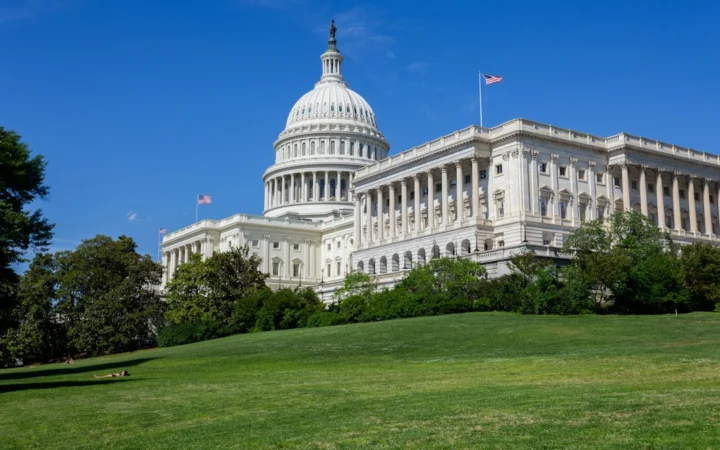
When a new administration takes office in Washington, a simple stroke of a pen often signals sweeping policy shifts before Congress even votes on a single bill. US Executive Orders shape federal agencies, direct military priorities, and alter immigration enforcement without ever passing through Capitol Hill. But these directives have distinct legal boundaries. They aren’t laws. And they face severe constitutional limits that keep the balance of power intact.

What Are US Executive Orders and Where Do They Come From?
Executive orders are official directives issued by the president to manage federal government operations. Think of them as internal instructions from a chief executive straight to agency heads. Article II of the US Constitution gives the president executive power and charges them with taking care that the laws are faithfully executed. That broad mandate forms the constitutional foundation for these directives.
George Washington issued early versions of executive directives, though numbering didn’t begin until the Department of State started tracking them systematically in the early twentieth century. Every modern president has used them. Some issued thousands, while others relied on them far less. The National Archives maintains the official register, recording each numbered directive as it takes effect.
These documents carry the force of law only when they lean on existing authority granted by Congress or the Constitution. A president cannot simply invent a brand-new tax out of thin air via an executive memo. Congress holds the power of the purse. If a directive requires funding that lawmakers haven’t appropriated, the policy stalls immediately.
Can a President Change Any Law Using US Executive Orders?
No. Presidents often test the limits of their authority, but federal courts regularly block directives that overreach. The judiciary relies on the framework established by the landmark Supreme Court ruling in Youngstown Sheet & Tube Co. v. Sawyer. That case established that presidential power is at its peak when acting with congressional authorization and at its lowest when defying Congress.
When an order contradicts a statute passed by Congress, the courts strike it down. Lawmakers write the laws, and the executive branch enforces them. A directive cannot rewrite a statute, create criminal penalties independently, or bypass statutory notice periods for federal rule-making. Agencies like the Environmental Protection Agency or the Department of Homeland Security still must follow the Administrative Procedure Act when they implement major policy changes.
Sweeping environmental rollbacks or sudden trade restrictions face months or years of public comment periods and courtroom challenges. They rarely happen overnight, despite how they appear in television news coverage.
How Does the US Supreme Court Check Executive Power?
The Supreme Court serves as the ultimate arbiter when a policy goes too far. Litigants—including state attorneys general, advocacy groups, and private corporations—frequently file lawsuits within hours of a major presidential signing ceremony.
Lower federal courts often issue nationwide injunctions blocking the implementation of controversial directives while lawsuits wind through the appellate system. The Supreme Court then decides whether to take up the case. Recent high court rulings emphasize the major questions doctrine, requiring clear congressional authorization for regulations with massive economic or political significance.
This judicial scrutiny means presidents must draft their directives carefully. White House counsel offices spend weeks vetting the legal language to ensure it survives court challenges. Even so, many high-profile orders end up permanently blocked or heavily modified by federal judges.
What Happens When a New Administration Takes Over?
One of the most fragile aspects of executive directives is their vulnerability to the next election. Because these orders bypass the legislative process, they can disappear just as quickly as they arrived.
When a new president is inaugurated, one of their first actions typically involves signing a stack of revocation orders. They wipe away the previous administration’s directives on climate rules, federal hiring freezes, or foreign policy stances within hours. This creates a whiplash effect for businesses, state governments, and international allies who must adapt to shifting federal priorities every four to eight years.
Permanent changes require the slow, grinding process of passing actual legislation through the House and Senate. Bills signed into law survive changes in administration because repealing them requires a new act of Congress. That durability is why major legislative packages remain the primary goal for any serious political agenda, whereas presidential memos offer a faster, riskier alternative.
Why Do Modern Presidents Rely So Heavily on US Executive Orders?
Gridlock in Washington drives much of this reliance. When Congress splits control between political parties, passing major legislation becomes nearly impossible. Partisan polarization turns Capitol Hill into a stalemate where few compromise bills survive.
Faced with a paralyzed legislature, modern presidents of both parties turn to unilateral action to fulfill campaign promises. It projects strength and shows voters that the administration is delivering results. Supporters praise the decisiveness. Critics denounce executive overreach and imperial presidency tactics.
This dynamic ensures that executive directives will remain a central feature of American governance. As long as Congress remains deeply divided, the executive branch will continue testing the outer limits of its constitutional authority to shape national policy.
For more information, visit our website.
Related reading
- US Iran War Diplomacy Challenges Facing UK Foreign Policy
- US Tariff Policy Updates: What the Latest Import Duties Mean for Global Trade
Update: How to Track US Military Movements in the Middle East from the UK
Update: US Carrier Strike Groups vs Land-Based Airbases: Comparing Middle East Defense Strategies