- Tracking US military deployments across the region
- Logistical challenges facing US military deployments today
- What policymakers in London are saying
- How intelligence sharing shapes the operational picture
- Economic ripple effects for British businesses
- The role of regional allies
- Looking ahead at future readiness
British observers watching global security updates often struggle to make sense of shifting White House strategies. Washington routinely adjusts its posture across the Middle East. These changes affect shipping lanes, international diplomacy, and the broader global economy. Understanding how the Pentagon moves assets helps analysts in London anticipate diplomatic friction and economic shocks.
You do not need an intelligence background to track these shifts. But you do need to know where to look and what specific indicators actually matter. Let us break down the core components of these operations and why they deserve your attention.
Tracking US military deployments across the region
The Pentagon maintains a complex web of bases, aircraft carrier strike groups, and logistics hubs throughout the Middle East. When tensions spike, Washington usually adjusts these positions first. You will often see carrier groups move through the Mediterranean or the Red Sea before any major diplomatic announcement drops.
Air wings also shift frequently. Fighter squadrons deploy to allied nations like Qatar, the United Arab Emirates, and Jordan. These movements serve a dual purpose. They act as a deterrent against regional adversaries. They also reassure local partners that Washington remains committed to their defense.
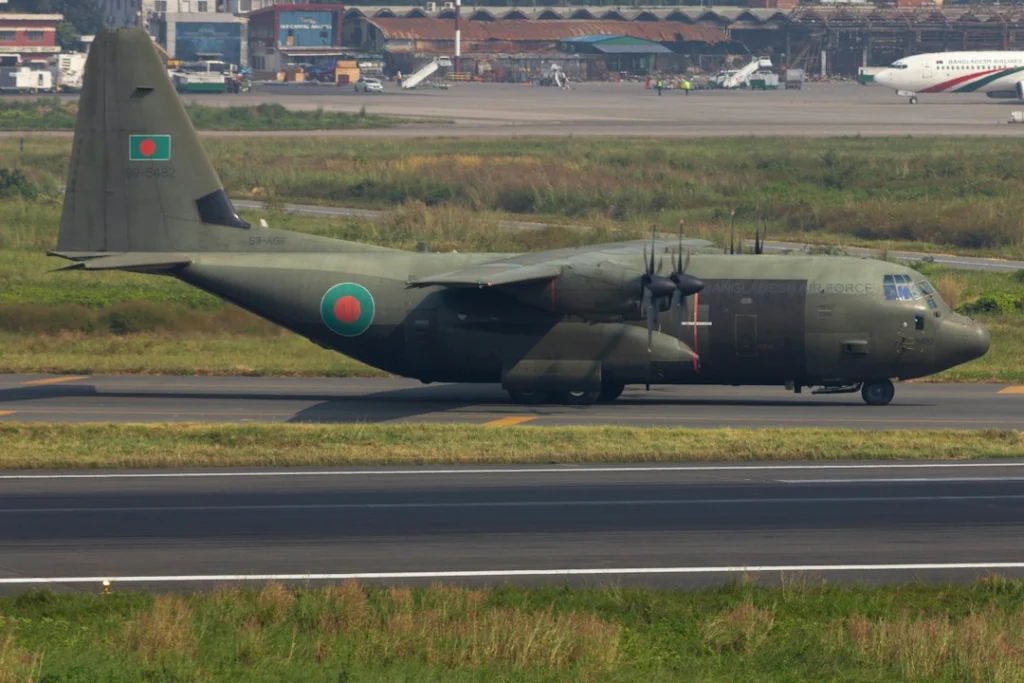
British watchers should monitor these physical movements closely. They provide a much clearer picture of intent than public statements from officials. When transport aircraft start moving heavy equipment into forward operating bases, something significant is usually underway.
Logistical challenges facing US military deployments today
Moving thousands of personnel and millions of pounds of equipment halfway across the world is an immense undertaking. The US armed forces rely on a vast fleet of transport aircraft and sealift vessels to keep supply chains open. Maintenance backlogs and shipyard capacity constraints often complicate these efforts.
Fuel supply is another constant headache for planners. Forward-deployed units consume staggering amounts of aviation fuel and diesel every single day. Securing continuous supply lines requires complex agreements with host nations and constant protection for maritime tankers passing through narrow chokepoints.
Budget fights in Congress also impact readiness. When federal funding stalls or relies on temporary spending resolutions, procurement officers struggle to order spare parts. That friction trickles down to operational units on the ground, sometimes delaying maintenance cycles for critical hardware.
What policymakers in London are saying
Downing Street watches these American operational shifts with intense focus. British and American forces often operate side by side in coalition exercises or targeted counter-terrorism missions. Any change in the American footprint directly impacts British military planning.
Foreign Office officials coordinate regularly with their counterparts in Washington. They try to align diplomatic messaging even when tactical decisions diverge. British leaders know they cannot completely decouple their foreign policy from American actions in the region.
At the same time, some British lawmakers raise concerns about escalation risks. Critics argue that a heavier American footprint might provoke the exact reactions it aims to prevent. This tension between deterrence and provocation remains a central debate in both capitals.
How intelligence sharing shapes the operational picture
Intelligence cooperation between the UK and the US runs deep. Agencies exchange threat assessments daily. This shared data helps both nations protect their diplomatic staff and military personnel stationed abroad.
Cyber intelligence forms a massive part of this cooperation now. State-backed hackers constantly probe critical infrastructure in both countries. Joint cybersecurity teams work around the clock to block intrusions and trace attacks back to hostile actors.
Yet, intelligence sharing is never entirely one-sided. British intelligence brings unique regional expertise to the table, particularly from historical ties across the Gulf. Washington values this perspective, even if American decision-makers ultimately chart their own course.
Economic ripple effects for British businesses
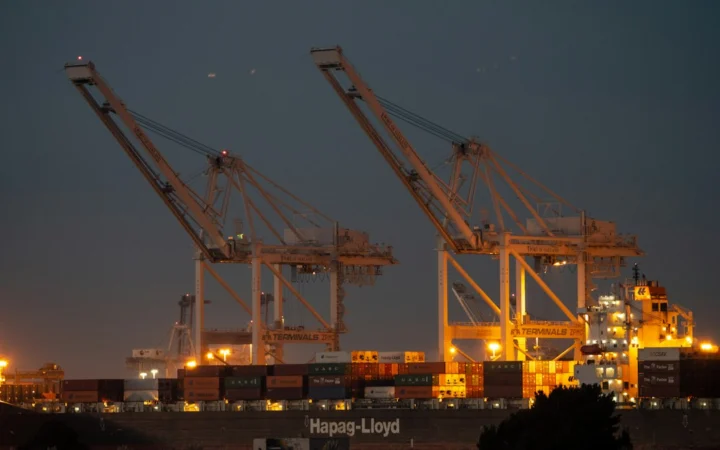
Shifts in regional security do not stay confined to military bases. They bleed directly into global markets. Energy prices react instantly whenever tensions flare up near vital shipping lanes like the Strait of Hormuz or the Suez Canal.
British firms trading with the Middle East face higher insurance premiums during periods of elevated risk. Cargo vessels often take longer, more expensive routes to avoid contested waters. Those extra costs eventually hit UK consumers at petrol stations and on supermarket shelves.
Business owners need to factor these geopolitical risks into their long-term supply chain planning. Relying on a single transport route through the Middle East is a gamble few companies can afford to take right now.
The role of regional allies
Washington does not act in a vacuum. Its strategy depends heavily on regional partners who provide basing rights, intelligence, and logistical support. Countries like Israel, Saudi Arabia, and the United Arab Emirates play massive roles in shaping how American forces operate.
These relationships are complicated. Local governments often have competing priorities that occasionally clash with American strategic goals. Washington must constantly balance its domestic political pressures against the demands of its regional allies.
For British observers, watching these diplomatic negotiations is just as important as tracking troop movements. Alliances shift over time based on changing economic interests and leadership changes in each capital.
Looking ahead at future readiness
The nature of conflict is evolving rapidly. Future operations will likely rely heavily on autonomous systems, advanced missile defense, and sophisticated electronic warfare. The Pentagon is currently shifting its budget priorities to reflect these technological realities.
Troop numbers on the ground may decrease in certain areas while high-tech capabilities increase. That shift requires a different kind of logistical footprint and specialized training for personnel.
British defense analysts are watching this modernization process closely to see what lessons the US military applies from recent friction points. Staying informed requires looking past the daily headlines and focusing on long-term structural changes in global defense policy.
For more information, visit our website.
Learn more on Wikipedia: US military deployments.
Related reading
- US Immigration Policy Updates: Asylum Bans vs. CBP One App Expansion
- US Presidential Election Polls: How to Read Them from the UK