Washington Weighs Its Trade Tools
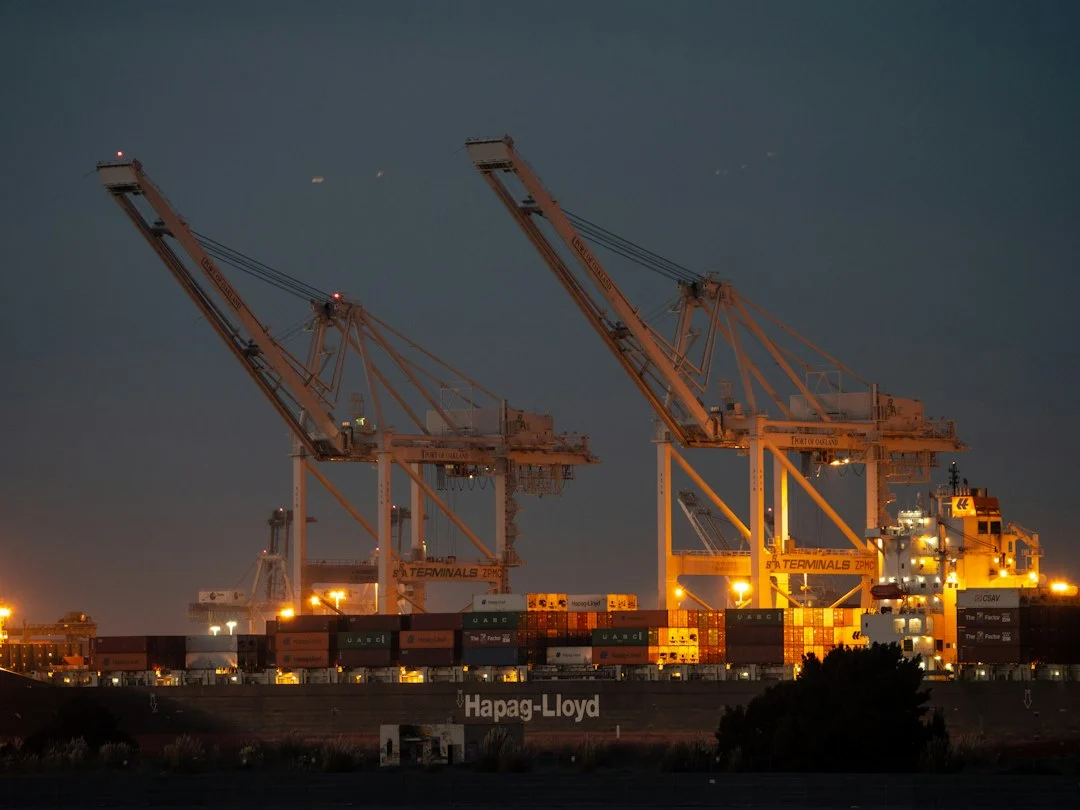
Washington is rethinking how it taxes foreign goods. Recent debates in the capital center on a sharp divide. Officials can slap a flat fee across all imports, or they can zero in on specific industries. This ongoing evolution in US tariff policy shapes everything from factory floors in the American Midwest to shipping lanes monitored by British firms. Choosing between broad strokes and surgical strikes matters immensely.
Broad levies sound simple. Proponents argue they protect domestic manufacturing overnight. Critics warn they trigger retaliatory measures and drive up consumer prices. Meanwhile, targeted duties require precise data and lengthy bureaucratic reviews. Neither path comes without steep political and economic costs.
The Blanket Approach: Broad Levies Across the Board
A blanket tariff applies a uniform percentage to almost every foreign product entering American ports. Proponents champion this method for its sheer speed. You don’t need a massive team of trade lawyers to draft thousands of exemptions. You set a number, sign an executive order, and customs agents enforce it.
Supporters claim this strategy forces trading partners back to the negotiating table. It creates immediate leverage. It also signals strong political resolve to domestic voters who feel left behind by global trade pacts.
Yet economists point out severe flaws. Broad taxes hit essential raw materials just as hard as finished luxury items. American factories often rely on imported steel, electronics, or chemical inputs. When those inputs cost more, domestic manufacturing actually slows down. Profit margins shrink. Factories pass those higher expenses directly to consumers.
Inflation often ticks upward. Retailers scramble to adjust price tags. Trading partners rarely sit quietly. They usually announce retaliatory duties targeting American agricultural exports or tech goods. This tit-for-tat escalation can quickly spiral out of control.
The Targeted Approach: Sector-Specific Duties
Targeted duties take a different route. The White House and federal agencies focus exclusively on designated strategic sectors. Recent examples include heavy curbs on advanced semiconductors, electric vehicles, and critical minerals coming from specific nations.
This method relies on national security arguments and industrial planning. Officials identify industries deemed vital for future economic survival. They protect those specific fields from heavily subsidized foreign competitors.
Supporters argue this precision limits collateral damage. Ordinary clothing and household goods escape major price spikes. Trade allies in Europe and elsewhere find it harder to mount a unified global retaliation because the restrictions affect narrow product categories.
The downsides are operational. Crafting these rules takes months or years of hearings, data collection, and intense lobbying. Special interest groups flood federal agencies with exemption requests. Courts frequently face legal challenges from affected corporations arguing the rules violate administrative procedures.
Enforcement also becomes an administrative headache. Customs agents must trace supply chains deep into foreign factories to verify where components originated. This creates loopholes. Importers quickly route goods through third countries to evade the rules.
How These Decisions Ripple Across Markets
Traders and corporate executives watch these trade disputes with intense focus. When major policy shifts occur, corporate balance sheets react immediately. If you want to understand how these political decisions impact corporate profits, tracking US corporate earnings provides a clear window into corporate reality.
Companies warn that uncertainty is worse than a high tax. Supply chain planners hate guessing what Washington might do next week. Do they order inventory now before a new duty takes effect, or do they wait for congressional clarity? That hesitation costs money. Warehouses sit empty or overflow with rushed shipments.
British exporters feel these shocks directly. Even if a tariff targets Asian manufacturing hubs, integrated global supply chains mean UK components built into larger assemblies get caught in the crossfire. Financial analysts spend hours parsing government press releases just to forecast quarterly revenues.
Which Strategy Wins?
Both models fail to offer a painless fix. Blanket levies deliver quick political wins and blunt force leverage, but they risk igniting trade wars and driving inflation. Targeted duties protect key national security interests, yet they bog down in red tape and enforcement battles.
The pragmatic reality of US tariff policy usually leans toward a hybrid model. Administrations start with loud, broad threats to grab attention and force negotiations. Once the dust settles, they pivot toward narrower, sector-specific restrictions backed by national security justifications.
For businesses trying to plan ahead, the takeaway is simple. Don’t expect trade stability anytime soon. Washington views tariffs as a permanent tool of statecraft rather than a temporary emergency measure. Diversifying supply chains remains the only sensible insurance policy against unpredictable policy shifts.
For more information, visit our website.
Related reading
- How to Track US Middle East Policy Updates from the UK
- 4 Key Things to Know About US Supreme Court Ethics Enforcement
Update: US Presidential Election Polls: How to Read Them from the UK
Update: US Immigration Policy Updates: Asylum Bans vs. CBP One App Expansion