Tensions in the Middle East have hit a boiling point, and the very real threat of a direct US Iran war is now dominating every serious security briefing in London. British officials are watching developments like a hawk as military posturing escalates across the region. If you actually want to understand how this crisis might play out, you have to look past the noisy breaking news banners. Let’s break down the core factors driving this standoff and what they mean for folks back in the UK.
Strait of Hormuz Shipping Disruptions
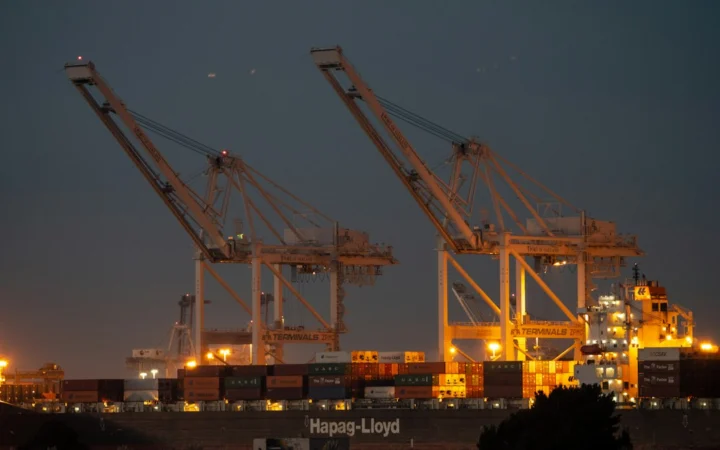
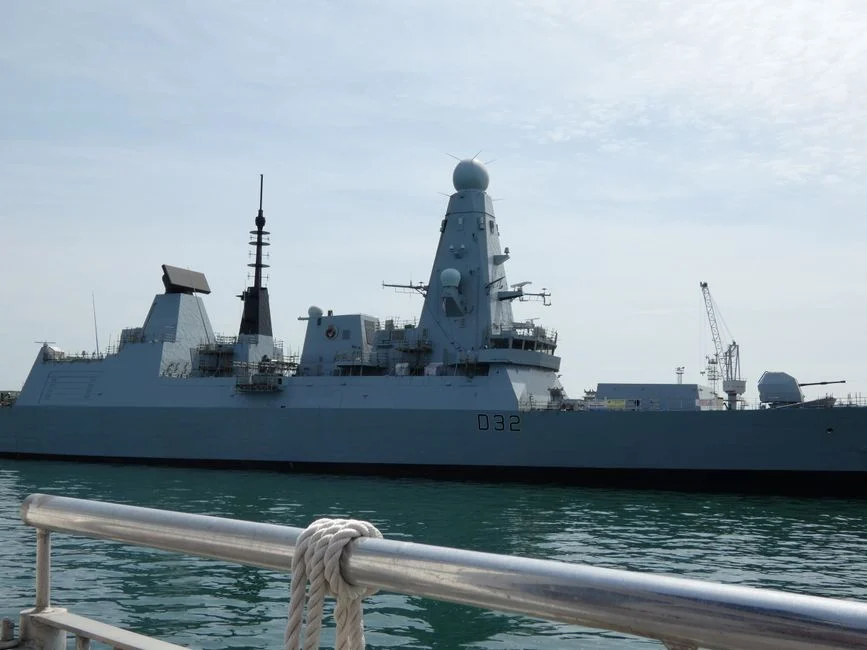
This narrow waterway separating the Persian Gulf from the Gulf of Oman is an absolute lifeline for global commerce. Roughly a fifth of the world’s petroleum passes through this exact chokepoint daily. When hostile actions happen here, energy prices in Britain spike almost instantly. Tanker operators are dealing with brutal insurance premiums and endless route delays. Military escorts have basically become standard practice now for commercial vessels. Honestly, a localized maritime skirmish could spiral into a much broader war before anyone even realizes it.
Proxy Networks and Regional Escalation
Washington and Tehran rarely trade blows face-to-face. They use a sprawling web of regional militias as surrogate forces spread across Iraq, Syria, Lebanon, and Yemen. These groups keep launching drone and rocket attacks against Western outposts. When the Pentagon hits back, it triggers immediate counter-attacks. That endless loop makes containment a nightmare. One badly calculated strike on an obscure base could easily force a massive military response.
Diplomatic Channels and Backchannel Talks
Sure, the public posturing is fierce, but secret diplomatic channels rarely shut down entirely. European intermediaries are constantly ferrying messages between Washington and Tehran just to prevent total disaster. Countries like Oman and Qatar frequently host these delicate, high-stakes talks. Sanctions relief and nuclear program curbs remain the central bargaining chips on the table. But let’s be real—trust is practically at zero after years of collapsed deals and broken promises.
Cyber Warfare and Critical Infrastructure
Modern warfare doesn’t stay confined to trenches and battlefields. State-backed hackers from Iran routinely target Western financial institutions and utility networks. British cybersecurity agencies have quietly raised their threat levels in response to a surge in digital probes. A severe cyber attack could paralyze critical infrastructure here without a single missile ever being fired. The digital front is active, terrifyingly quiet, and deeply unpredictable.
Energy Market Volatility in the UK
British households feel the shockwaves of Middle East instability almost immediately—usually right at the petrol pump or on their brutal gas bills. Refineries across Europe rely heavily on stable crude flows coming out of the Gulf. Any sudden disruption sends wholesale energy costs surging within hours. The Chancellor of the Exchequer is constantly addressing these inflationary spikes. At the end of the day, energy security remains job one for Downing Street as these conflict risks keep climbing.
For more information, visit our website.
Learn more on Wikipedia: US-Iran War.
Related reading
- US Tariff Policy: Blanket Levies vs. Targeted Sector Duties
- How to Track US Middle East Policy Updates from the UK
Update: US Immigration Policy Updates: Asylum Bans vs. CBP One App Expansion