Moving a single Abrams tank across the desert requires an industrial machine so vast most civilians can’t picture it. When planners talk about US Iran war logistics, they aren’t just thinking about missiles and fighter jets. They’re looking at millions of gallons of diesel, thousands of spare tracks, and secure ports that can handle heavy cargo without missing a beat.
The Myth of Instant Deployment
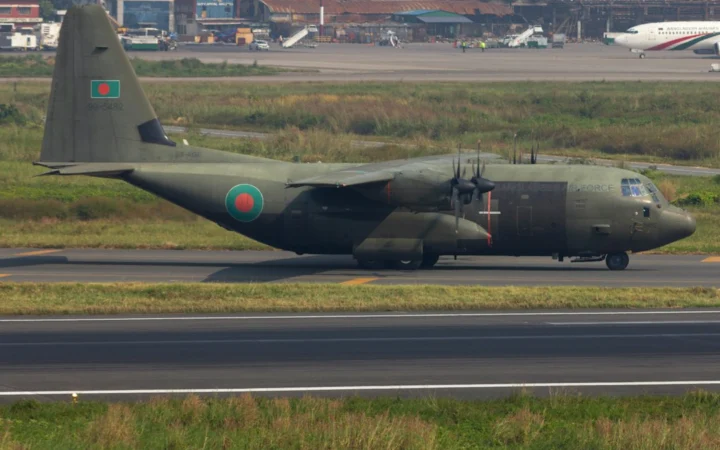
Movies love to show an entire armored division materializing in a foreign hotzone overnight. Real life moves much slower. Heavy equipment travels by fast sealift ships across oceans before reaching regional hubs like Qatar or Bahrain. Those ships take weeks to cross blue water. Port bottlenecks can stall an entire brigade before a single shot gets fired. You can’t just drop a sixty-ton combat vehicle out of a standard cargo plane. Airfields need specific runway lengths, massive heavy-lift aircraft, and precise weight distribution planning.
People assume advanced tech makes supply chains effortless. It actually makes them harder. Modern electronics demand specialized technicians and constant software patches. If a radar unit breaks down in a remote forward operating base, you can’t just fix it with a wrench. You need a replacement board flown in from a secure depot thousands of miles away.
How Supply Chains Actually Function Under Pressure
Commanders rely on pre-positioned stocks stored in massive climate-controlled warehouses across the region. These sites hold spare engines, tires, and ammunition ready for immediate issue. But drawing from those stocks drains them permanently until industrial suppliers back home can churn out replacements. That manufacturing lag creates a real bottleneck during prolonged operations.
Fuel remains the heaviest burden. Armored columns consume staggering amounts of petroleum every single mile they roll. Securing tanker trucks, protecting pipelines, and keeping mobile fuel bladders defended against drone attacks takes a massive chunk of operational manpower. Without constant resupply, a modern mechanized force grinds to a halt in days.
Overcoming Regional Transit Hurdles
Getting supplies from a coastal port to an inland staging area tests every link in the chain. Local infrastructure varies wildly. Some highway networks handle heavy semi-trucks with ease, while other desert routes crumble under the weight of repeated military traffic. Overland transport corridors face constant security reviews, especially when tensions run high near critical maritime chokepoints. For a deeper look at regional maritime routes, check out our guide on the Strait of Hormuz chokepoint.
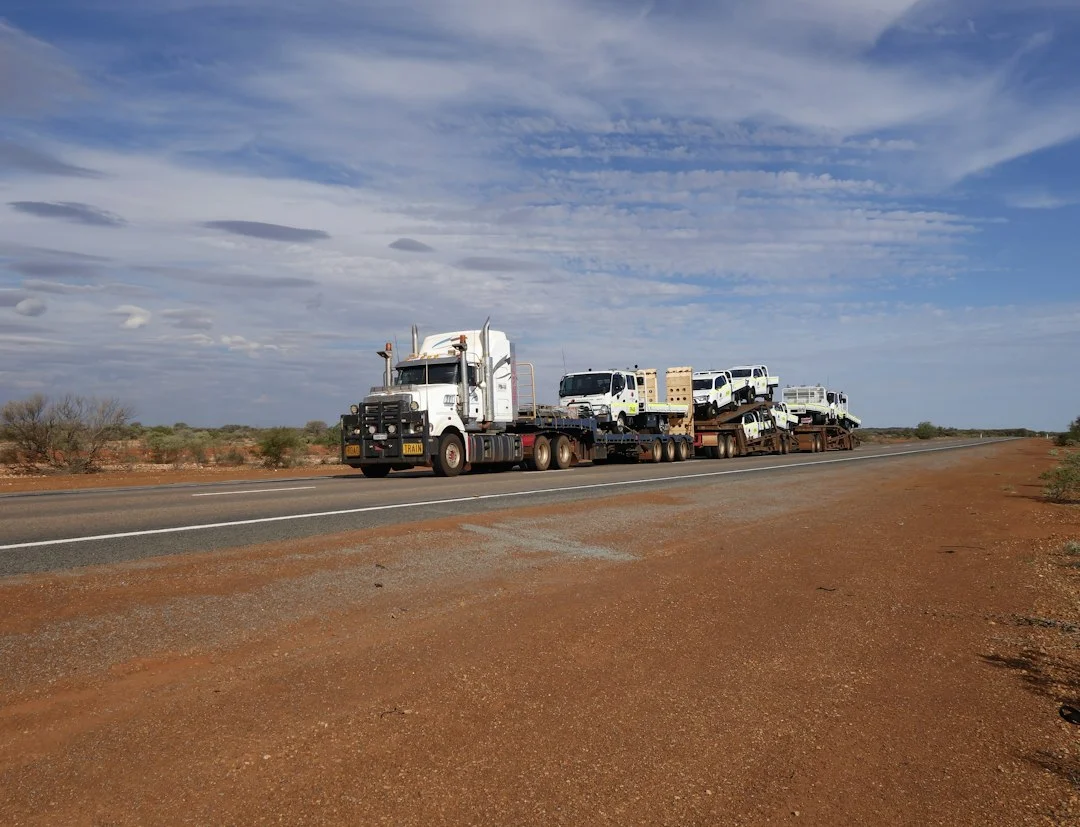
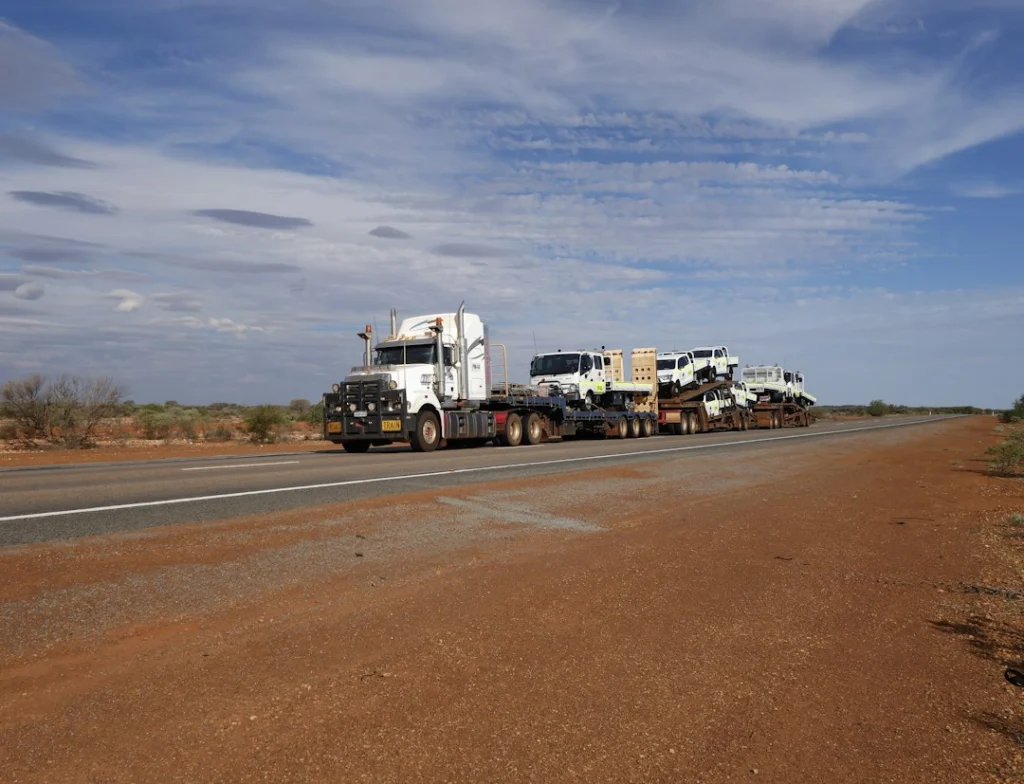
Contractors handle a huge percentage of routine hauling. Civilian truck drivers take on immense risks moving non-lethal gear across tricky terrain. When threat levels spike, those civilian networks can panic or refuse routes. Military planners then have to scramble to backfill drivers with active-duty transport units, straining other parts of the deployment web.
Every single pallet must be tracked, secured, and accounted for from the factory floor to the tactical edge. It’s a grinding, unglamorous process that wins or loses campaigns long before the first engagement begins.
For more information, visit our website.