A narrow strip of water separates the Persian Gulf from the Gulf of Oman, carrying a massive share of the world’s petroleum supply. The Strait of Hormuz acts as a vital artery for global energy markets. When geopolitical friction spikes between Washington and Tehran, this watery corridor turns into a major flashpoint.
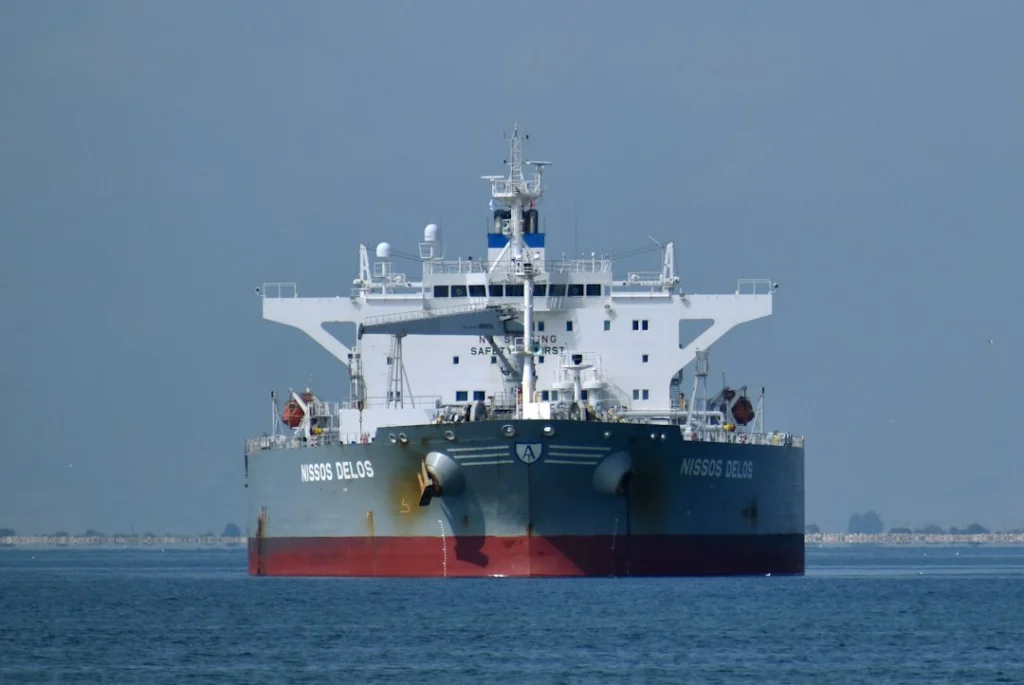
Geographic Realities of the Strait of Hormuz
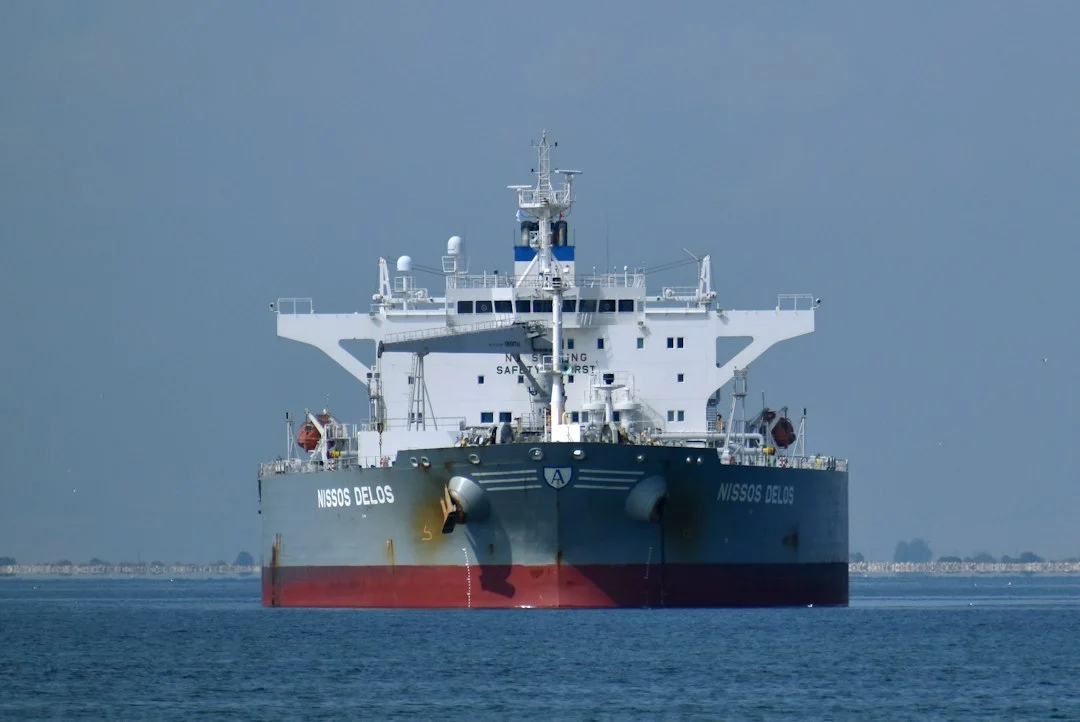
Geography forces tankers through a tight squeeze. The passage is only 21 miles wide at its narrowest point. Inbound and outbound shipping lanes each measure just two miles wide. A tiny buffer zone sits right between them to prevent collisions. This layout leaves large commercial vessels exposed.
Iran borders the entire northern coastline of the route. Its military maintains extensive anti-ship missile batteries along those jagged cliffs. Fast attack craft sit ready in protected harbors. That geographic advantage gives Tehran immense leverage during diplomatic crises.
Energy Transit and Global Economic Stakes
Millions of barrels of crude oil pass through these waters every single day. Asian economies rely heavily on this continuous flow. If a blockade happens, crude prices immediately surge worldwide. Refineries from Tokyo to London feel the pain within hours.
Liquefied natural gas also depends on this maritime highway. Qatar exports massive quantities of LNG past the Iranian coastline. Alternative pipelines exist, but they cannot carry the same volume. That vulnerability keeps energy traders perpetually nervous.
US Naval Presence and Regional Patrols
The Pentagon keeps a steady naval footprint in the region. Destroyers and aircraft carriers routinely patrol nearby waters. Their mission centers on keeping international shipping lanes open. Freedom of navigation remains a core tenet of American foreign policy.
Escorts for commercial flags have happened during past crises. Joint patrols with regional allies help monitor suspicious activity. Communications channels remain fragile, though. A single miscalculation by a junior officer could spark a wider conflict.
Past Incidents and Maritime Security
Tanker seizures and mysterious explosions mark the history of this corridor. Limpet mines damaged several vessels during previous flare-ups. Drones frequently shadow foreign warships operating nearby. Intelligence agencies track these movements closely to anticipate trouble.
Commercial captains use encrypted channels to report harassment. Maritime insurers charge steep risk premiums for ships entering the zone. Those added costs trickle down to everyday consumers buying fuel. Every tense standoff reminds markets how fragile modern supply chains really are.
For more information, visit our website.
Learn more on Wikipedia: Strait of Hormuz.
Related reading
Update: 5 Crucial Facts About Upcoming US Federal Budget Battles in Congress
Update: US Iran War Myths: Separating Regional Facts from Media Fiction