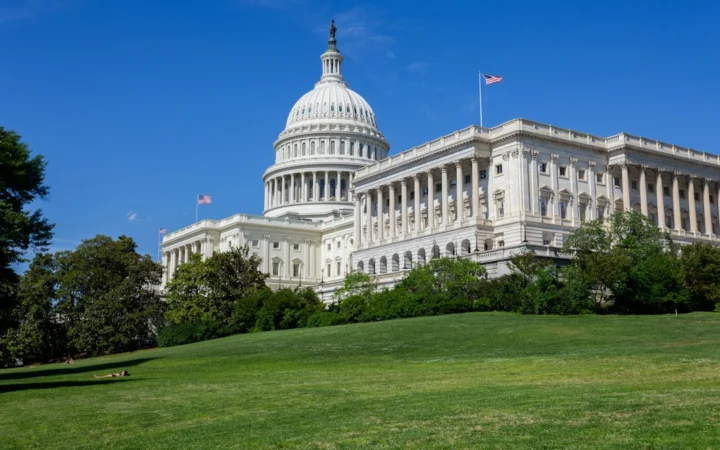
Washington is bracing for another high-stakes fiscal showdown. Lawmakers return to Capitol Hill facing hard deadlines to keep the government funded. Every year, managing the US federal budget turns into a partisan tug-of-war. Party leaders disagree sharply on spending levels, defense priorities, and domestic programs. These battles shape federal operations and influence economic policy nationwide. Here are five crucial facts to understand how these negotiations unfold in Congress.

1. The Appropriations Process Starts Months in Advance
Congress is supposed to pass 12 separate appropriations bills by the start of the fiscal year. That deadline falls on October first. In reality, lawmakers rarely meet this target. Committees in both the House and Senate draft these bills over the spring and summer. House Republicans often push for steep spending cuts to reduce deficits. Senate Democrats generally favor higher spending caps for social programs and infrastructure. These competing visions clash long before any floor votes happen. Staffers work behind closed doors to bridge the gaps. Progress often stalls when leadership takes hardline stances. Without an agreement, the entire federal apparatus faces a funding lapse.
Negotiators must balance competing demands from various caucuses. Fiscal conservatives want strict spending limits. Moderate members worry about service disruptions in their districts. Leadership tries to build coalitions that can pass both chambers. This requires extensive horse-trading. Committee chairs draft compromise language late into the night. Even minor provisions can derail a package if a key lawmaker objects. The process demands constant vigilance from reporters and lobbyists tracking legislative text.
2. Continuing Resolutions Prevent Immediate Shutdowns
Lawmakers rely heavily on stopgap measures known as continuing resolutions. These bills extend current funding levels for a temporary period. They buy extra time for negotiations when deadlines loom. A continuing resolution usually lasts a few weeks or a few months. It keeps federal agencies running under the previous year’s budget framework. Neither party loves these stopgap bills. Critics argue they waste money and prevent long-term planning. Military officials complain that flat funding hampers modernization efforts. Still, congressional leaders view them as the only alternative to a chaotic government shutdown. Passing a stopgap requires bipartisan support, especially in the tightly divided House.
When a continuing resolution expires, the pressure ramps up immediately. Lawmakers face the same choices under harsher time constraints. Some members use these moments to attach unrelated policy riders. Others threaten to vote against the measure to protest executive branch policies. Leadership must constantly count votes to ensure basic government functions continue. These stopgap fights dominate political news cycles for weeks.
3. The Debt Ceiling Complicates Fiscal Negotiations
The US federal budget process is tied directly to the nation’s borrowing limit. The debt ceiling restricts how much money the Treasury Department can borrow to pay obligations already incurred by Congress. Raising or suspending this limit requires a separate legislative vote. This creates leverage for opposition lawmakers. Members demand policy concessions in exchange for their votes on the debt limit. Treasury officials issue urgent warnings when the deadline approaches. Defaulting on national debt would trigger severe economic fallout. Financial markets react nervously to prolonged standoffs over the debt ceiling.
Negotiations over borrowing authority usually involve the White House and top congressional leaders. Compromises often include caps on future discretionary spending. Lawmakers also debate structural reforms to entitlement programs during these talks. These deals take weeks to forge. Rank-and-file members frequently express frustration with closed-door leadership deals. Passing the final package requires overcoming deep partisan mistrust on both sides of the aisle.
4. Defense Spending Versus Domestic Priorities
Allocating money exposes deep philosophical divides between the parties. Republicans traditionally prioritize national security and military expansion. Democrats push for robust funding in education, healthcare, and environmental protection. Finding a middle ground requires matching defense increases with domestic hikes. This approach, known as parity, helps build bipartisan coalitions. Defense hawks argue that modern threats require a larger Pentagon budget. Progressive lawmakers counter that social safety nets need urgent investment. These debates consume hours of floor debate and committee markups.
Special interest groups lobby aggressively during this phase. Defense contractors push for specific weapon systems. Advocacy groups campaign for increased funding for public health agencies. Lawmakers weigh these appeals against constituent feedback and macro-level economic data. The final allocations reflect intense political compromise rather than pure policy planning. Every dollar shifted carries immense political weight.
5. The Real-World Impact of Fiscal Gridlock
Budget fights affect millions of Americans directly. A prolonged shutdown halts paychecks for federal workers and military personnel. National parks close their gates. Small businesses experience delays in federal loan approvals. Air travel slows down when airport security personnel work without pay. Federal contractors also absorb heavy financial losses during funding gaps. Agencies spend significant time drafting contingency plans instead of executing their core missions.
State and local governments feel the pinch too. Federal grants for infrastructure, education, and law enforcement depend on timely appropriations. Delayed funds force local leaders to scramble for alternative financing. Public officials across the country watch Washington closely during budget season. The stability of public services hinges entirely on congressional compromise. Resolving these disputes remains the single most important task for federal lawmakers each year.
For more information, visit our website.
Learn more on Wikipedia: US federal budget.
Related reading
Update: US Congress Latest News: Cut Through the Noise and Track Capitol Hill
Update: Regional Air Defense Systems: How Middle East Allies Coordinate Against Missile Threats