The Pentagon quietly moves millions of dollars into regional bases. Heavy transport aircraft land constantly at remote desert strips. This is the reality of the evolving US military infrastructure Middle East commanders oversee daily. Washington isn’t packing up and leaving. Instead, engineers pour concrete, upgrade hangars, and build deeper storage bunkers from Qatar to Jordan. Threats from Iran and its proxy networks force a major rethinking of how American forces operate across the region.

Defense planners face a stark math problem. Concentrating thousands of troops in massive, sprawling hubs creates easy targets for incoming ballistic missiles and drones. Recent conflicts exposed real vulnerabilities at key facilities. The Department of Defense responds by dispersing assets. Smaller outposts pop up across the desert. Supply lines multiply. Command nodes gain mobile backups. Every change aims to complicate enemy targeting calculations.
Hardened Shelters and Runway Upgrades
Concrete cures under a brutal sun at multiple regional airfields. Contractors pour thick barriers around vital jet parking spots. Standard metal aircraft hangars offer zero protection against modern precision munitions. Engineers now build heavily reinforced domes designed to withstand direct blast impacts. These upgrades cost hundreds of millions of dollars. Funding flows through recent supplemental defense appropriations passed by Congress.
Runway repair stockpiles grow larger at every major installation. Crushed aggregate, rapid-setting asphalt, and heavy machinery sit pre-positioned near strategic flight lines. Air Force civil engineers practice crater repair drills on a weekly schedule. A damaged runway stops a fighter wing cold. Quick-fix capabilities keep tactical jets airborne during a crisis. Logistics officers track these raw materials down to the last pallet.
Fuel storage faces a similar overhaul. Above-ground tanks present massive fire risks. Crews bury primary petroleum reservoirs deep underground. Backup fuel bladders hide inside natural rock formations or reinforced concrete vaults. Pumping stations gain automated shut-off valves. If one line takes a hit, isolation valves stop the leak before entire reserves drain into the sand.
Air Defense and Sensor Integration
Radars scan the horizon twenty-four hours a day. Patriot batteries sit on reinforced earthen berms alongside newer terminal defense systems. Protecting US military infrastructure Middle East command centers requires a dense, layered shield. Interceptor missiles cost millions of dollars each. Finding cheaper ways to destroy incoming cheap drones remains a top engineering priority for the Pentagon.
Partner nations share radar feeds through newly established communication loops. Jordanian, Saudi, and Emirati radar operators pass tracking data directly to US regional headquarters. This cooperative posture speeds up response times significantly. For a deeper look at how regional partner states coordinate these defensive capabilities, read this overview of regional air defense systems and allied missile coordination. Shared warnings save precious seconds when fast-moving threats cross international borders.
Electronic warfare units also move into the theater. Jamming trucks hide in motor pools. They practice blocking command signals sent to hostile drones. Radio frequency interference disrupts navigation guidance systems. Testing these capabilities takes place during routine training exercises with local military forces. Success depends on seamless radio frequency coordination.
Logistics Hubs and Port Enhancements
Cargo ships dock regularly at deep-water ports along the Arabian Peninsula. Cranes lift heavy tracked vehicles off container ships. Warehouses hold spare parts, tires, and generator components. Maintaining combat readiness demands a relentless flow of spare equipment. If a hydraulic pump fails on a radar unit, a replacement must arrive within hours.
Air transport forms the backbone of rapid resupply. C-17 Globemaster aircraft roar off transport runways carrying urgent cargo. Maintenance depots stock extra turbine blades and avionics boxes. Supply sergeants monitor inventory levels using automated software databases. When stocks drop below safe thresholds, automated purchase orders trigger urgent priority shipments from stateside depots.
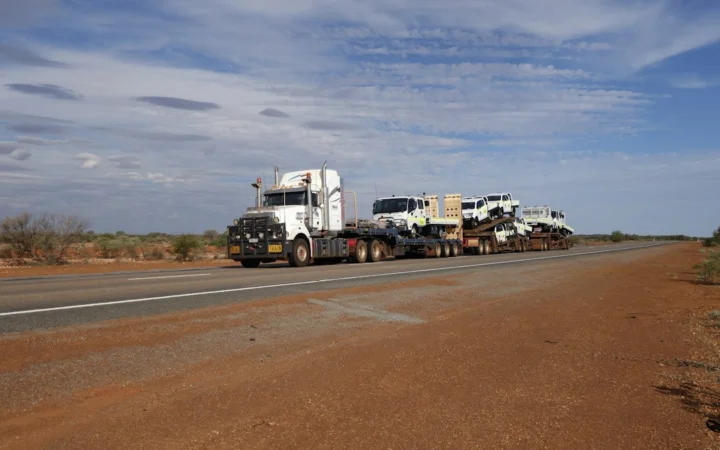
Rail networks and highway corridors receive infrastructure investments too. Heavy equipment transporters need wide, stable roads to move tanks between bases. Local transportation ministries work alongside US military engineers to strengthen bridges and clear clearance limits. Heavy armor damages standard asphalt quickly. Upgraded pavement handles the extreme weight without cracking.
Command Redundancies and Communications
Bunker buster munitions pose a constant threat to underground command bunkers. The military solves this by decentralizing control nodes. Instead of one massive headquarters running every operation, mobile command trailers fan out across the desert. These armored vehicles carry satellite dishes, encrypted servers, and generator packs. They can set up operations in a new location within hours.
Fiber optic cables run deep underground between primary operational buildings. Satellite links serve as emergency backups if ground lines get cut. Cybersecurity teams monitor network traffic constantly. Iranian hackers try to break into military logistics databases every day. Firewalls hold firm, but network administrators remain on high alert.
Power grids get hardened against physical and digital attacks. Diesel generators sit behind blast walls with fuel reserves stored for weeks of off-grid operation. Water purification systems operate independently at each base. Self-sufficiency keeps troops operational even if external supply lines get temporarily severed by conflict or sabotage.
Personnel Rotations and Living Quarters
Troops stationed in the desert deal with brutal heat and constant security alerts. Housing units shift away from temporary canvas tents toward hardened containerized living units. These steel boxes offer better protection against shrapnel and mortar fire. Air conditioning units run nonstop inside every room. Soldiers rotate through six-month deployments to prevent exhaustion.
Morale facilities get upgrades too. Gyms, dining halls, and internet cafes occupy reinforced structures. Mental health professionals maintain a steady presence at every major base. Living conditions matter when tensions run high. Rested troops make fewer mistakes during high-stress operational moments.
Security forces patrol the perimeter around the clock. Guard towers use thermal imaging cameras and aerostats equipped with high-resolution video sensors. Unauthorized vehicles trigger alarms instantly. Quick reaction forces train for base defense drills weekly. Every soldier knows their assigned fighting position by heart.
The modernization effort takes time. Supply chain bottlenecks slow down construction schedules. Budget battles in Washington threaten funding continuity. Still, the physical footprint of American forces adapts to the modern threat landscape. Drones and missiles changed the rules of modern warfare. US forces adapt their physical installations to survive the next conflict.
For more information, visit our website.
Related reading
- US Federal Budget News: How Government Funding Fights Impact Washington
- US Iran Conflict Risk Assessment for UK Businesses
Update: US Iran War Diplomacy Challenges Facing UK Foreign Policy
Update: How US Executive Orders Work and What Powers Presidents Actually Have