Washington trade policy shifts send immediate shockwaves straight across the Atlantic. When the White House adjusts import duties or signals new trade barriers, British businesses feel the impact within days. Keeping track of the latest announcements helps you protect your profit margins before shipments hit US ports.
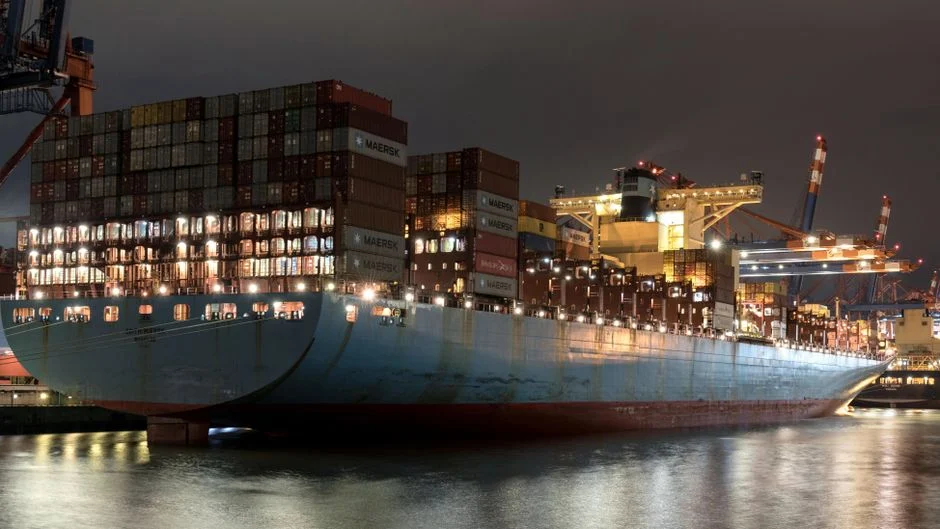
Navigating these regulatory shifts requires a close look at what federal agencies are changing right now. Here are the core developments British exporters need to watch closely.
1. Expanded Section 301 Investigations
Federal trade representatives continue to review existing product exclusions and potential new levies. If your goods fall into specific manufacturing or tech sectors, you might face sudden cost increases. The Office of the United States Trade Representative publishes periodic updates regarding targeted sectors. Make sure you check those federal notices regularly rather than relying on secondhand summaries.
2. Supply Chain Adjustments and Compliance
Changing import rules mean customs brokers scrutinize documentation much harder than before. A single misclassified product code can result in costly border delays or unexpected penalty fees. Many UK founders restructuring their operations choose to establish formal entities stateside to manage compliance better. If you are weighing corporate structures, review how to approach a Delaware LLC vs Wyoming LLC for UK founders to see which state fits your import setup.
3. Congressional Pushback and Legislative Oversight
Capitol Hill is not entirely quiet on trade decisions. Lawmakers in both parties frequently question executive branch authority over sweeping trade measures. Congressional committees hold hearings to pressure agency heads on inflation risks tied to higher import taxes. While these debates rarely overturn White House directives overnight, they signal potential legislative amendments down the road.
4. Retaliatory Measures and Global Market Reactions
Trade actions rarely happen in a vacuum. Major international trading partners often respond with their own targeted measures. British exporters caught in the middle must monitor both US federal decisions and broader international trade dynamics. Staying agile lets you pivot your shipping routes or pricing models before market conditions pinch your bottom line.
For more information, visit our website.
Related reading
- US Iran War Logistics: How Military Supply Chains Shape Middle East Operations
- US Presidential Election Schedule: Key Dates British Observers Need to Watch
Update: How to Track US Congressional Votes From the UK
Update: US Iran War Fuel Costs: What British Motorists Need to Know