The Heavy Lift Behind Middle East Deployments
Moving thousands of troops and tons of equipment across oceans isn’t simple. When planners look at US Iran war logistics, they see an enormous puzzle of ships, planes, and fuel depots. It’s not just about combat jets or aircraft carriers. It’s about the millions of gallons of aviation fuel required to keep those jets airborne day after day.
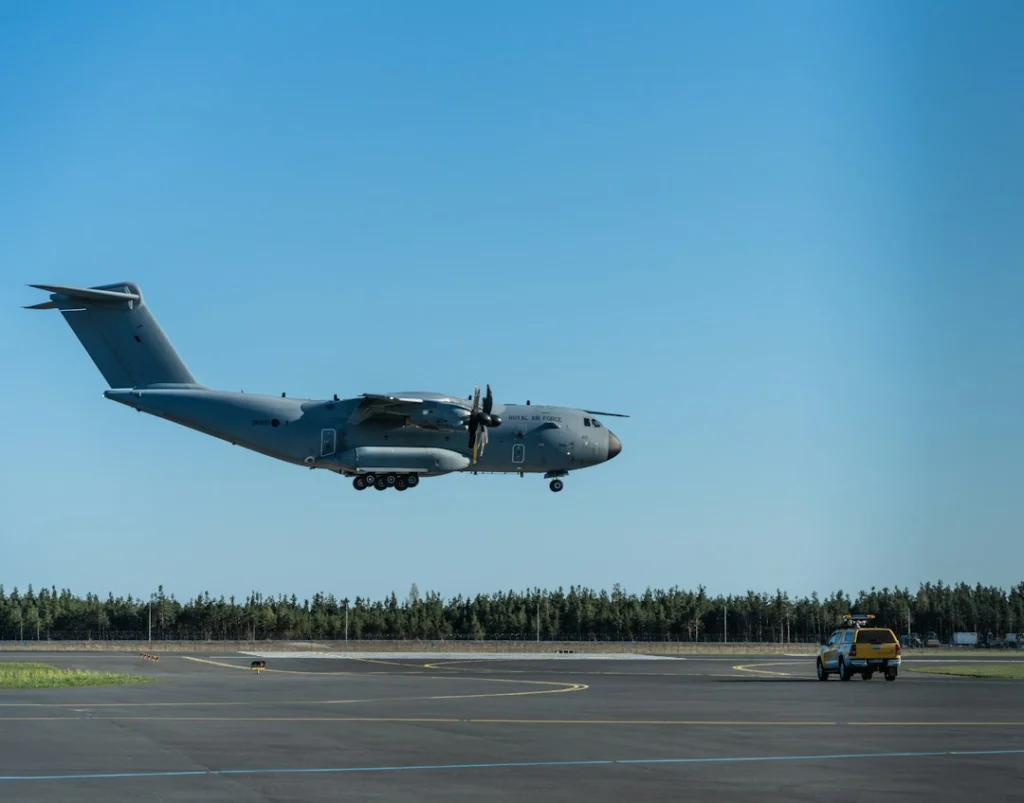
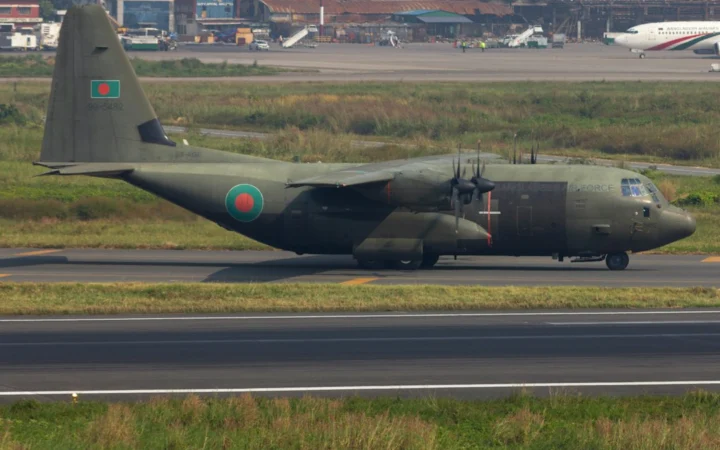
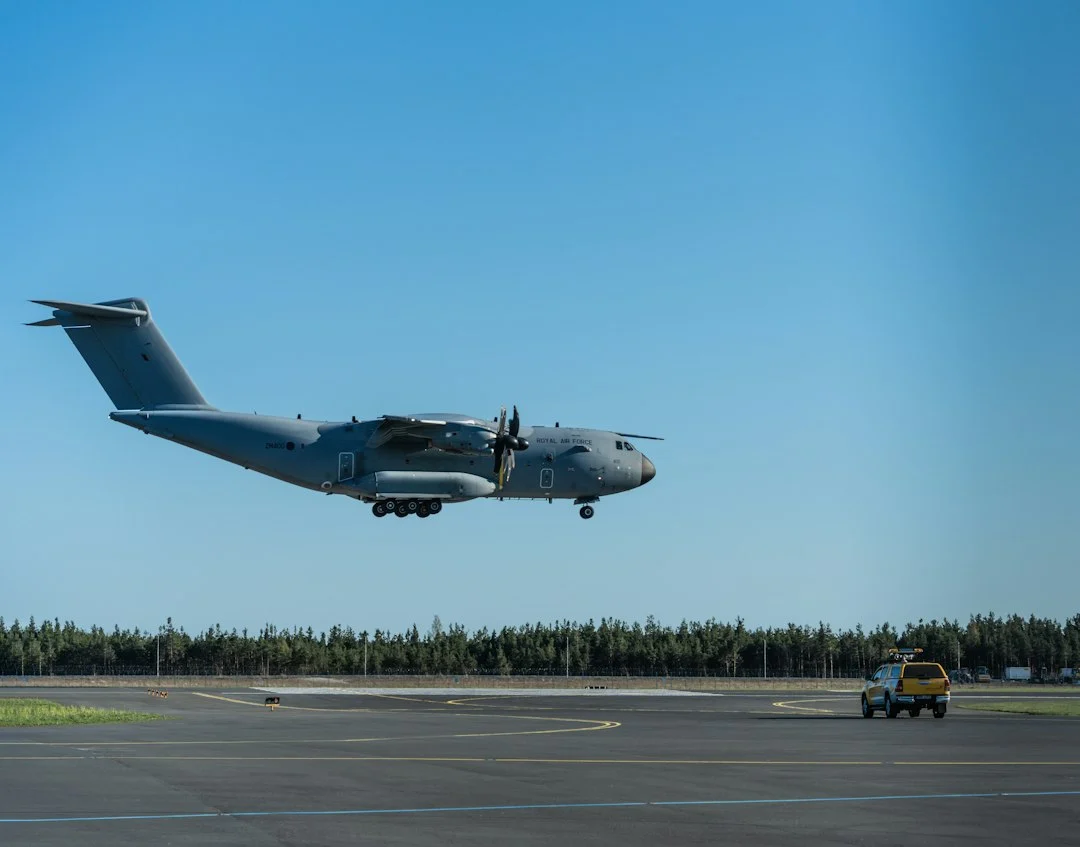
Military planners rely heavily on contract cargo ships and heavy-lift transport aircraft. These assets move everything from spare tank treads to packaged meals. Without a steady flow of supplies, even the most advanced military force stalls out within weeks. That is the reality of modern force projection.
Chokepoints and Vulnerable Sea Lanes
Geography creates major headaches for military supply commanders. Most ocean freight headed to the northern Persian Gulf must squeeze through narrow waterways. If tensions boil over, these narrow routes become prime targets for disruption.
Commercial operators often watch these zones closely. When risks spike, insurance rates jump and schedules change fast. The Pentagon deals with similar transit hurdles. They must secure alternate staging areas across friendly nations in the region to avoid total reliance on vulnerable maritime corridors.
For a broader look at how maritime risks affect British operators in the same region, check out this guide on US naval deployment and Persian Gulf shipping. It breaks down the commercial realities facing shippers near these troubled waters.
Contractor Support and Maintenance Pipelines
Modern defense forces don’t fix everything themselves. Private defense contractors handle a massive share of equipment maintenance, software updates, and base support services. If conflict erupts, getting civilian technicians into active zones gets complicated.
Parts wear out under harsh desert conditions. Fine sand ruins turbine engines faster than routine wear schedules anticipate. Supply chains must pump specialized filters, lubricants, and electronic modules into local warehouses constantly. If a single critical component sits stuck in customs, a multi-million-dollar asset sits grounded.
Fuel Reserves and Pre-Positioned Stocks
You can’t improvise fuel supply lines on short notice. The Department of Defense maintains vast underground storage tanks and floating depots around the globe. These pre-positioned stocks cut down response times drastically.
Even so, high-tempo operations burn through reserves at a shocking rate. Tanker trucks run around the clock from coastal ports to inland airbases. Coordinating these ground movements requires constant security escorts and precise scheduling to prevent bottlenecks.
Military success in the Middle East depends far more on fuel trucks and cargo manifests than people realize. The unseen machinery of supply keeps the whole apparatus moving forward.
For more information, visit our website.
Related reading
- US Presidential Election Schedule: Key Dates British Observers Need to Watch
- US Executive Orders: Myth vs Fact on Presidential Power
Update: US Iran War Oil Prices: What British Consumers Face at the Pump