US Iran War Fuel Costs and the UK Petrol Station Reality
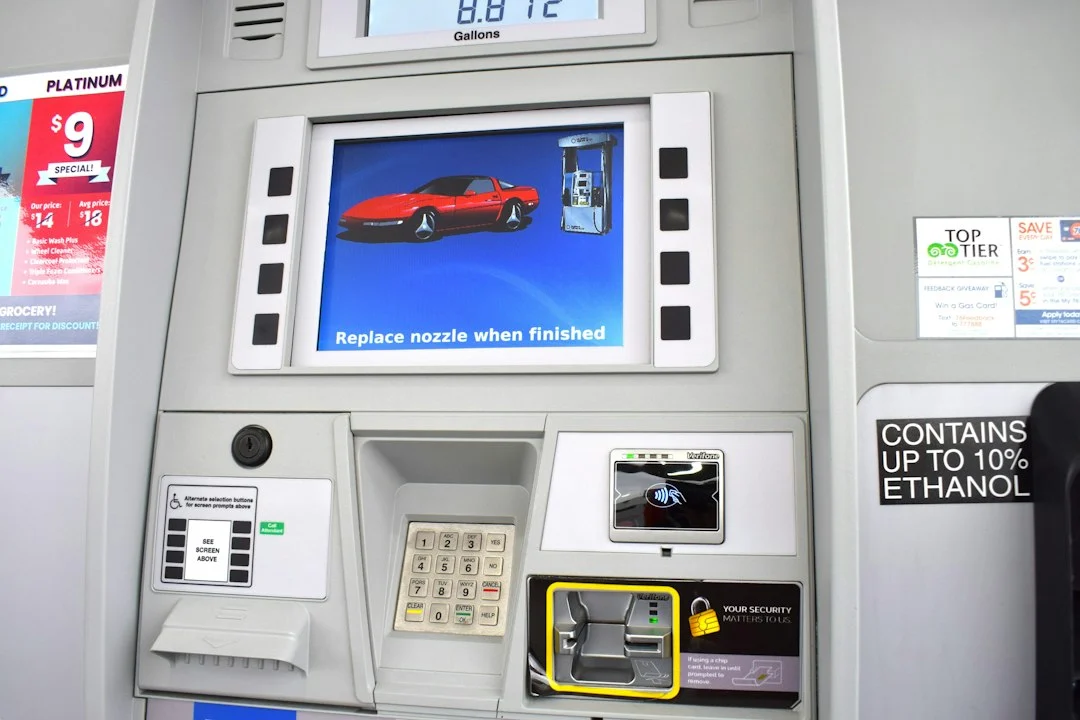
When tensions spike in the Middle East, drivers across Britain usually feel the pinch within days. US Iran war fuel costs ripple outward from global crude markets straight to your local forecourt. Crude oil prices react instantly to fears of supply disruption through vital waterways like the Strait of Hormuz. Refineries pass those higher wholesale prices down to fuel retailers almost immediately. You see the result every time you pull up to a pump in Surrey or Yorkshire.
British motorists absorb these shocks because the UK relies on globally traded Brent crude. Even if domestic suppliers source oil elsewhere, market pricing responds to global anxiety. A threat to tankers or extraction facilities in the Persian Gulf changes the economics of transport overnight. Supermarkets and independent stations adjust their pricing boards to match rising wholesale barrels. Motorists end up paying extra for every litre of unleaded and diesel.
Why Global Oil Markets React So Fast
Markets hate uncertainty more than anything else. Traders buy and sell futures contracts based on potential worst-case scenarios in the Middle East. If military action threatens key oil fields or shipping lanes, speculators drive up the price per barrel. That psychological pressure hits before a single drop of actual supply vanishes. It’s a chaotic system that punishes everyday drivers long before actual shortages materialize.
Shipping logistics complicate the picture further. When maritime routes become dangerous, tankers must take longer detours around Africa instead of using the Suez Canal. Extra days at sea mean higher shipping overheads, insurance spikes, and burned fuel. Those operational costs get baked into the final price you pay at checkout. You can read more about how supply chains operate in our analysis of military supply chains in the Middle East.
What UK Drivers Can Do to Protect Their Wallets
You can’t control geopolitical conflicts or OPEC decisions. You can change how you drive to soften the blow of soaring US Iran war fuel costs. Smooth acceleration and steady highway speeds save remarkable amounts of fuel over a single tank. Check your tyre pressure regularly because under-inflated tyres drag down fuel economy. Ditching unnecessary boot weight also helps your engine work less hard during daily commutes.
Shopping around pays off when prices climb. Fuel price comparison apps show wide gaps between nearby stations, sometimes differing by ten pence per litre within a short drive. Independent stations often lag behind major supermarket chains when cutting prices, but they sometimes hold off longer on hikes too. Keep an eye on local boards and fill up before tanks empty completely. Small habits add up when filling the tank burns a hole in your monthly budget.
Looking Ahead at British Pump Prices
Volatility remains the only guarantee in the current energy climate. As long as US Iran war fuel costs dictate wholesale market swings, UK drivers face unpredictable trips to the petrol station. Government fuel duty cuts offer temporary relief when politicians decide to act, but those measures rarely last. The best approach is staying informed, watching wholesale trends, and adapting driving habits before the next global crisis hits your wallet.
For more information, visit our website.
Related reading
- How to Track US Congressional Votes From the UK
- US Iran War Oil Prices: What British Consumers Face at the Pump
Update: US Iran War Shipping Routes: Protecting British Cargo in the Gulf
Update: US Congressional Budget Battles: What British Observers Need to Know