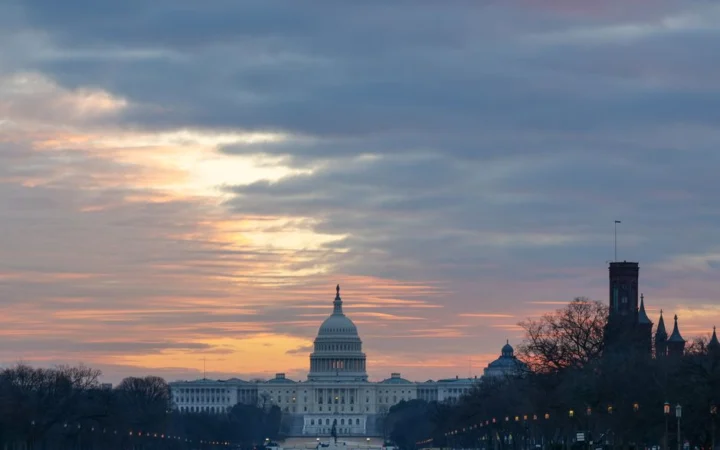
American elections look different depending on where you cast a ballot. Over recent legislative sessions, lawmakers across the country have rewritten the rules governing how citizens register, vote, and have their voices counted. These changes to US state voting laws create a patchwork system where rules vary wildly from one zip code to the next.
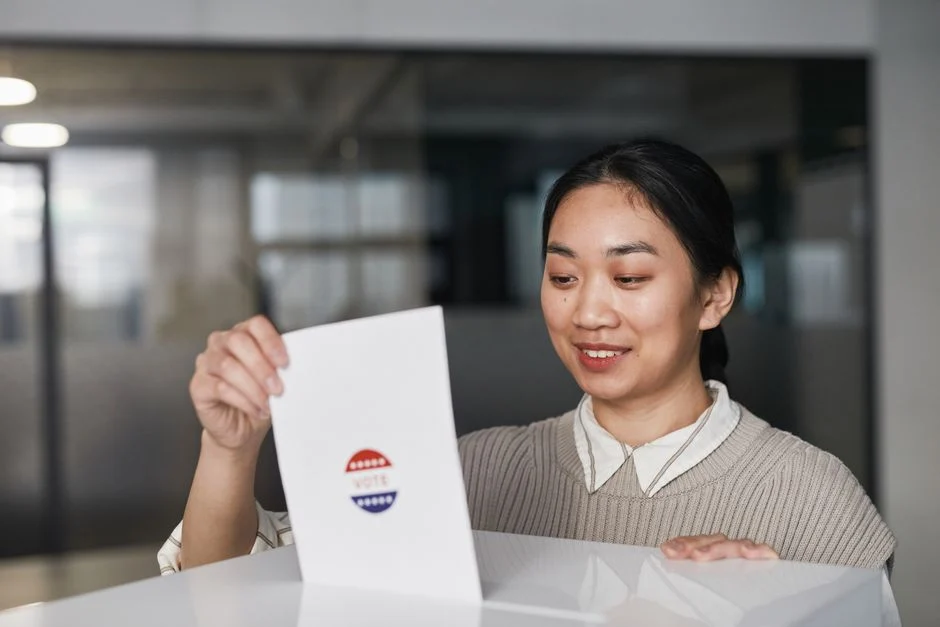
You might wait ten minutes to cast a ballot in one county while voters stand in line for hours just a few miles away in a different state. State legislatures hold immense power over election administration under the US Constitution. That decentralised power means local policy shifts carry massive national consequences.
The Shift in Mail-in Voting and Drop Boxes
Postal voting exploded during the 2020 election cycle. Millions of Americans embraced mail-in ballots because of public health concerns. Statehouses reacted swiftly once those ballots were counted. Numerous Republican-led states tightened restrictions on absentee voting soon after.
New rules often shorten deadlines to request a ballot. Some states now require voters to provide a driver’s licence number or the final digits of a Social Security number on the ballot envelope. Drop boxes face new curbs too. Lawmakers in places like Georgia and Texas limited the number of drop boxes per county, and they also restricted operating hours, often forcing them inside election offices instead of keeping them outdoors.
Proponents of these restrictions argue that security matters above all else. They believe tighter controls prevent fraud and boost public trust in election outcomes. Critics counter that these measures create unnecessary hurdles. Shorter windows and fewer drop boxes disproportionately affect working-class voters and people without flexible schedules.
Voter ID Mandates Across the Country
Identification requirements remain a fierce battleground in US state voting laws. Photo ID rules have grown stricter in several jurisdictions. Voters in states with strict laws must present specific forms of government-issued identification before casting a ballot. Student IDs from state universities sometimes count, while employee badges usually do not.
Supporters insist that showing a photo ID is a common-sense security measure, comparing it to boarding a plane or cashing a cheque. Voting rights advocates highlight a different reality. Obtaining a qualifying ID costs money and time. DMV offices in rural areas face severe budget cuts and reduced hours. For citizens without a car or steady income, securing a state ID becomes a significant logistical hurdle.
Some states expanded accepted forms of identification while tightening others. A few jurisdictions permit utility bills or bank statements for identity verification if a photo ID is missing. The patchwork approach means voters must check local requirements carefully before heading to the polls.
Registration Rules and Early Voting Periods
Getting registered to vote used to mean filling out a paper card at the DMV. Today, digital registration dominates, but states handle deadlines differently. Automatic voter registration adds eligible citizens to rolls when they interact with government agencies unless they opt out. Over twenty states now use this system.
Other states moved in the opposite direction. They shortened the window for voter registration before an election day. Same-day registration faces political pushback elsewhere. Early voting periods experienced similar shifts.
Some state legislatures trimmed early voting days from two weeks down to one. Weekend voting slots faced restrictions in specific districts. Sunday voting carries deep cultural and historical significance for many Black church communities in the American South. Curbs on weekend hours sparked intense legal challenges and protests.
The Role of the Courts in Shaping Election Rules
State and federal judges now play a massive role in deciding which election rules stand. Lawsuits fly fast whenever a legislature passes a restrictive bill. Civil rights organisations often challenge new statutes in federal court, arguing these rules violate the Voting Rights Act or the US Constitution.
Legal battles take months or years to resolve. Judges frequently issue injunctions blocking certain rules right before an election. This creates chaos for local election officials who must train poll workers on rules that might change a week before voting starts.
The US Supreme Court also steps into these disputes regularly. Recent rulings narrowed parts of federal voting rights legislation, handing more authority back to state legislatures. This judicial shift ensured that statehouses remain the primary battleground for American democracy.
Funding and Administration Realities
Running an election costs real money. Voting machines age out. Poll workers need pay. Secure facilities require upgrades. State and local governments shoulder most of this financial burden.
Funding levels vary dramatically. Wealthy suburbs often boast modern equipment and well-staffed polling stations. Underfunded urban centres struggle with broken machines and long queues. Federal grants help occasionally, but partisan fights in Congress make consistent funding difficult.
Local election officials face unprecedented stress. Many veteran administrators resigned recently due to harassment and burnout. Replacements must learn complex state laws quickly, and this high turnover adds another layer of vulnerability to election administration.
Looking Ahead at Future Reforms
The debate over US state voting laws shows no sign of slowing down. Ballot measures offer citizens a direct way to bypass state legislatures. Voters in several states successfully used ballot initiatives to establish independent redistricting commissions or ranked-choice voting.
These reform efforts highlight a deep divide in public opinion. Half the country wants maximum access with minimal barriers, while the other prioritises strict security and verifiable rules. Both sides claim they are protecting democracy.
The rules will continue to shift before every major election cycle. Voters must stay informed about local changes to ensure their ballots count. Understanding these rules remains essential for anyone tracking American politics today.
For more information, visit our website.
Related reading
- US Tariff Policy Changes: What British Exporters Need to Know
- US Iran War Naval Escorts: What UK Shipping Companies Must Know About Strait of Hormuz Protection