- US National Security Iran Updates: What's Happening Right Now?
- What are the latest intelligence assessments on Iran?
- Why is the Pentagon increasing regional military assets?
- How do these tensions affect global shipping lanes?
- What is Washington's current diplomatic strategy?
- Are common war fears based on reality?
- How can observers track these developments from abroad?
US National Security Iran Updates: What’s Happening Right Now?
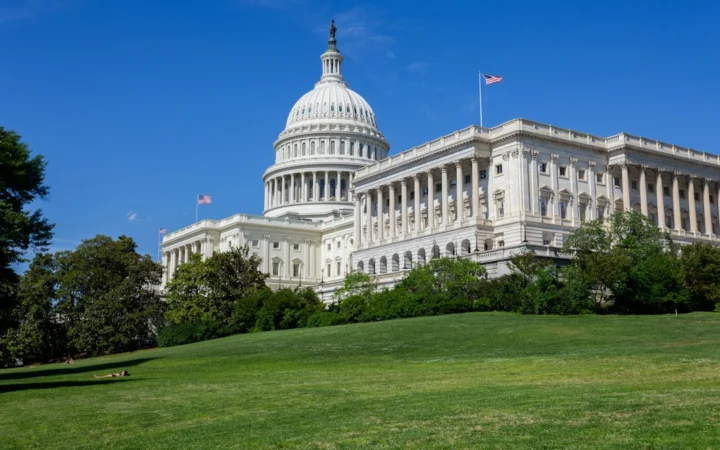
Washington shifted its defensive posture across the Middle East again. Pentagon officials confirmed fresh troop deployments and naval movements earlier this week. It’s a direct response to rising regional heat. You need the actual facts behind these headlines, minus the usual media spin. Let’s break down the core details shaping current US National Security Iran Updates right now.

What are the latest intelligence assessments on Iran?
Intelligence agencies report a spike in regional proxy group activity. Analysts in Washington watch these movements like hawks. The Pentagon dropped a brief statement highlighting stepped-up surveillance. Tehran flatly denies direct control over these armed factions, though US officials remain deeply skeptical. Satellites track supply lines stretching across borders constantly. Officials share select findings with key allies like the UK to lock down defensive readiness.
Defense briefings point to specific operational shifts. Cyber defense units are dealing with heightened scanning activity aimed at critical infrastructure. Government networks block multiple automated probes daily. Security teams traced many of these digital fingerprints straight back to servers inside Iran. Most attacks fail, but the sheer volume keeps officials on edge. Washington isn’t ignoring these digital threat vectors.
Why is the Pentagon increasing regional military assets?
Deterrence drives every single tactical choice at the Department of Defense. Aircraft carrier strike groups are patrolling vital maritime choke points. Fighter squadrons sit on high alert at regional airbases. Commanders want adversaries staring at an undeniable defensive shield. The whole point is preventing miscalculations that could blow open into real conflict. Strength buys time for diplomacy, at least according to Washington planners.
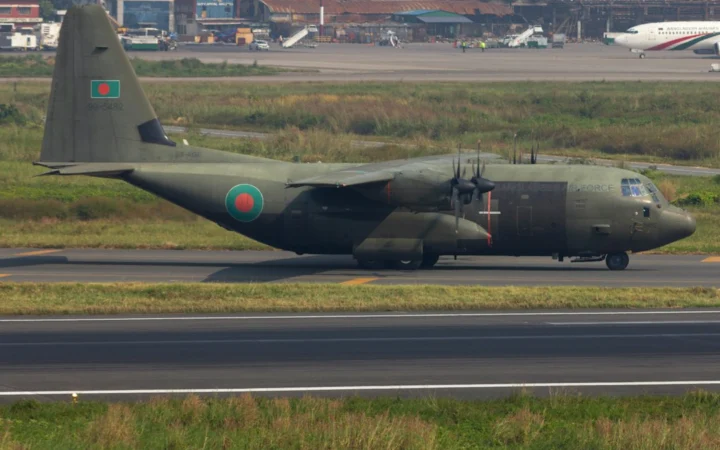
Logistics networks are running ragged behind the scenes. Transport planes fly round-the-clock supply missions loaded with interceptor missiles and radar gear. Maintenance crews pull grueling 12-hour shifts keeping jets ready to fly. Every deployment bleeds millions of dollars daily. Taxpayers rarely see these logistical mountains moving. Still, this heavy hardware forms the absolute backbone of modern US National Security Iran Updates.
How do these tensions affect global shipping lanes?
Commercial vessels face growing operational risks near the Arabian Gulf. Captains constantly rewrite transit schedules to dodge contested waters. Insurance premiums spike whenever threat levels tick upward. If you follow global trade, you already know how vulnerable these narrow sea lanes are. The Strait of Hormuz acts as an economic jugular vein for oil markets. Energy disruptions send immediate shockwaves straight to petrol pumps from London to Los Angeles.
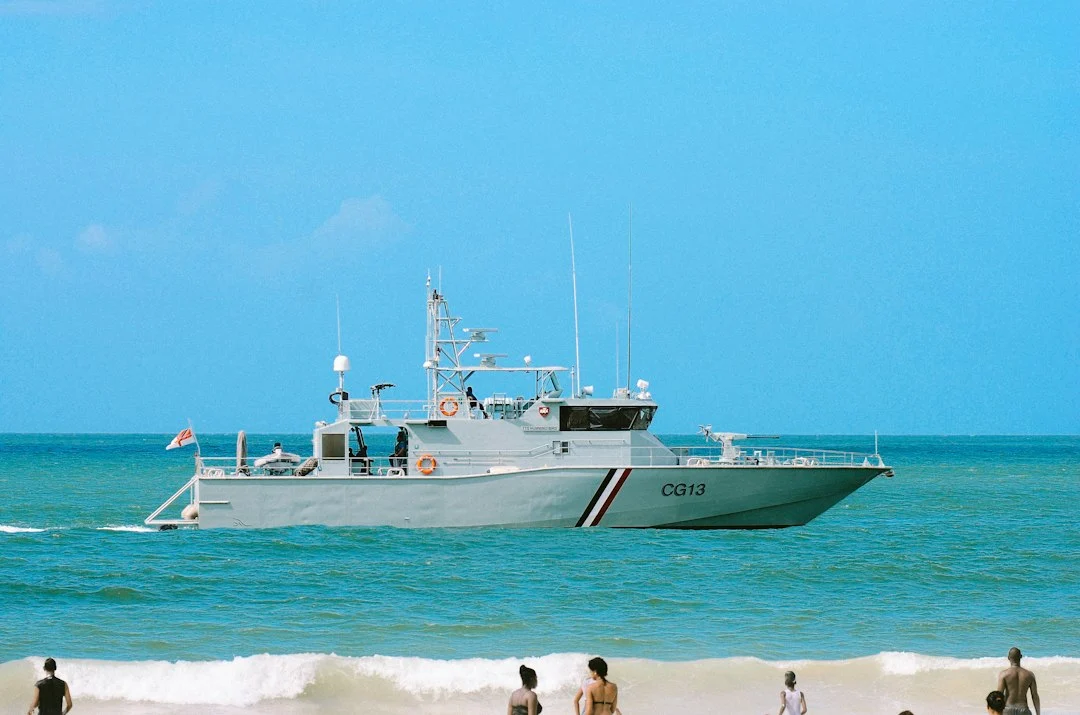
Naval escorts now tag along with select flag vessels through dangerous sectors. Warships stand ready to intercept incoming drones or fast attack boats. Commercial captains maintain direct radio links with coalition naval task forces. For a deeper look at maritime dangers, check out our guide on Strait of Hormuz shipping risks. Oil tankers keep making their runs, but crews navigate with extreme caution.
What is Washington’s current diplomatic strategy?
Sanctions remain the primary economic weapon for the State Department. Treasury officials slap new targets onto enforcement blacklists almost monthly. These measures freeze assets and cut Iranian banks off from international wire networks. Diplomacy runs alongside this economic pressure, mostly through backchannel talks mediated by Oman or Qatar. Direct negotiations are rare and fragile.
White House spokespeople stick to a consistent public script. They insist the door to a negotiated settlement is open, provided Tehran halts its nuclear enrichment advancements first. Iranian leaders reject those preconditions outright. Both sides are dug in deep. Compromise looks nearly impossible when domestic political pressures run so high in both capitals.
Are common war fears based on reality?
Social media feeds overflow with panic every time a warship moves. Armchair strategists predict imminent full-scale invasions daily. Real military planners view things through a totally different lens. Total war serves neither Washington nor Tehran. Both governments prefer proxy skirmishes and economic warfare over direct military engagement. Most online rumors just misinterpret routine training exercises as hostile preparations. If you want to clear away the noise, read our breakdown on US Iran War misconceptions.
Deterrence works until it doesn’t. That terrifying margin of error keeps military commanders awake at night. A simple miscommunication in crowded airspace can turn a minor intercept into a disaster. That reality is why de-escalation hotlines stay active. Junior officers on naval destroyers carry brutally heavy burdens during these tense standoffs.
How can observers track these developments from abroad?
Following military movements takes patience and reliable sources. Official Pentagon press releases offer verified facts without sensational spin. Independent open-source intelligence analysts track aircraft transponders and satellite imagery daily. UK readers frequently ask how to monitor these shifts without falling for internet myths. For practical tracking methods, see our guide on how to track US military deployments in the Middle East from the UK. Combine official statements with trusted journalism to build an accurate picture.
For more information, visit our website.
Related reading
- US Iran War Logistics: How the Pentagon Moves Fuel and Missiles Across the Region
- US Immigration Policy Updates: What the Latest Executive Actions Mean for Border Enforcement
Update: US Iran War Logistics and Strait of Hormuz Supply Chains
Update: US Intelligence Iran Updates