Tensions in the Middle East dominate British news feeds around the clock. Still, most online chatter about a potential US Iran war leans heavily on lazy assumptions and over-the-top drama instead of actual strategy. Let us cut through the noise and look at what is really going on behind the scenes.
Myth: A Full-Scale Ground Invasion Is Imminent
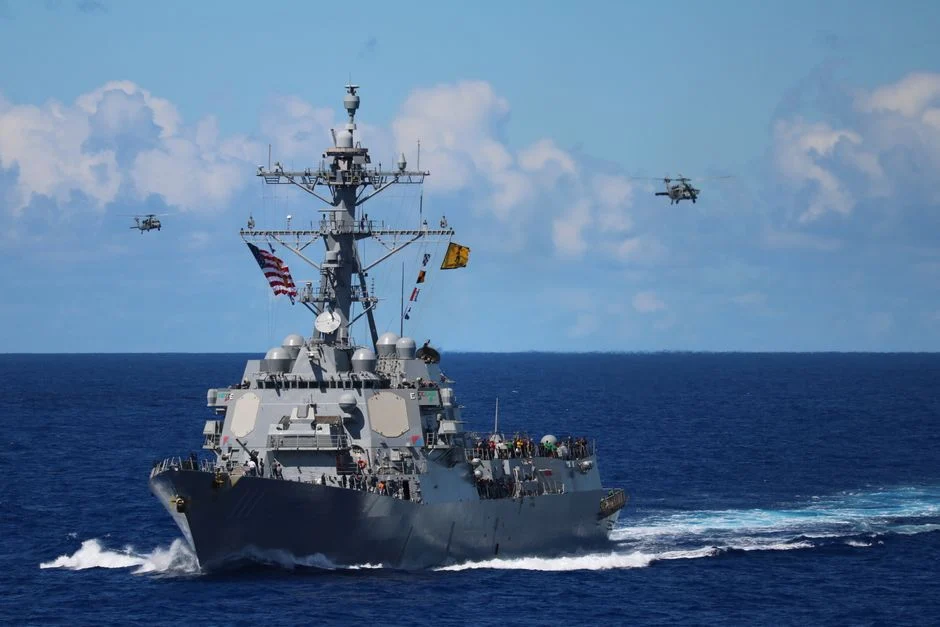
Social media loves warning about massive troop deployments across the Strait of Hormuz. Anyone saying that is ignoring decades of hard-earned Pentagon planning. Washington is genuinely allergic to large-scale boots-on-the-ground wars after the brutal, expensive campaigns in Iraq and Afghanistan. Instead, planners rely on naval deterrence, layered air defenses, and precise, targeted strikes.
The logistics alone make a land war a complete non-starter. Supply lines stretch across thousands of miles, and local allies flat-out refuse to host large offensive staging grounds. Whitehall intelligence confirms the current US posture is strictly defensive and reactive. Frankly, nobody in the Department of Defense is itching for another quagmire.
Fact: Economic Sanctions Drive the Strategy
It is easy to overlook that financial strangulation is actually the primary weapon here. The US Treasury Department hammers Iranian oil exports, shipping networks, and banking institutions every single day. These measures choke off Tehran’s revenue stream without anyone having to fire a single missile.
British importers feel those shockwaves immediately through skyrocketing marine insurance rates and forced changes to freight routes. Energy markets freak out over the tiniest diplomatic sneeze in the Persian Gulf. Honestly, this economic warfare causes way more daily disruption than actual kinetic military clashes.
Myth: Proxy Networks Operate Without State Control
Another classic mistake is treating regional militias as totally rogue actors doing their own thing. Tehran maintains deep financial, ideological, and tactical hooks into groups spread across Lebanon, Yemen, and Iraq. They coordinate strategy tightly while just barely leaving enough wiggle room for plausible deniability.
Western intelligence agencies map these supply chains constantly. Cutting off the flow of advanced drone parts means intercepting shady maritime shipments out in the Arabian Sea. That requires relentless, exhausting patrols from allied navies.
Fact: Diplomacy Happens Behind Closed Doors
Sure, the public posturing sounds terrifying. Leaders in Washington and Tehran love trading barbed warnings through the press. But away from the cameras, backchannel talks mediated by places like Oman or Switzerland stay wide open. Neither government actually wants an accidental spiral they cannot pull back from.
Diplomats are working overtime to keep critical shipping lanes functional. British envoys stay locked in with European and American partners to stop any catastrophic miscalculations. Grasping these realities is the only way to tune out the sensationalized panic.
For more information, visit our website.
Learn more on Wikipedia: US-Iran War.
Related reading
Update: Iran Retaliation Against US Latest News
Update: US Government Shutdown Risks 2026: What Congress Is Fighting Over Now