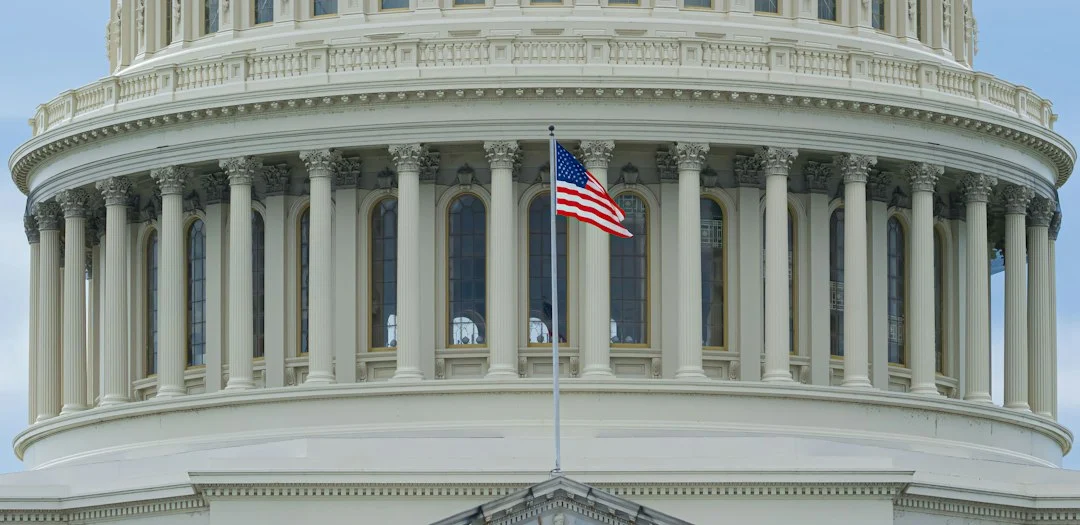
A potential US government shutdown is once again dominating discussions on Capitol Hill as lawmakers race against looming funding deadlines. Washington is trapped in the exact same familiar stalemate over federal appropriations, annual spending caps, and contentious policy riders. If Congress fails to pass either full-year bills or another short-term stopgap before the money runs out, federal agencies are staring right down the barrel of imminent partial closures.
Why Congress Keeps Approaching Fiscal Deadlines
Budget battles on Capitol Hill rarely happen in a vacuum. Disagreements between the House and the Senate usually center on top-line spending numbers rather than minor line items. House leadership often pushes for steep cuts to domestic agency budgets. Meanwhile, Senate negotiators demand parity between defense and non-defense spending increases. These conflicting priorities make passing all twelve regular appropriations bills nearly impossible before the fiscal year runs out.
Because comprehensive budget agreements stall out, Congress relies heavily on continuing resolutions. These stopgap bills simply extend current funding levels for a few weeks or months. They buy time, but they rarely solve the underlying policy disputes. Every single time a stopgap expiration date approaches, the threat of a funding lapse storms right back into the headlines.
What Happens to Federal Agencies During a Funding Lapse?
When funding officially expires, the immediate effects vary wildly across different federal departments. Essential personnel must keep working without immediate pay. Think air traffic controllers, border patrol agents, and active-duty military members. National parks might close restrooms or limit visitor access due to staffing shortages, though some states occasionally step in with their own cash to keep the gates open.
Non-essential federal employees face furlough. They stay home, and their pay stops completely until Congress passes new appropriations and the president signs them into law. Federal contractors almost never receive back pay once a shutdown ends, making these budget standoffs brutally painful for the private-sector workers who support government operations.
The Political Calculus Behind the US Government Shutdown Standoff
Neither political party genuinely wants the blame for shuttering federal services, yet both sides use the budget process as leverage. House Republicans frequently attach conservative policy riders to spending bills. These provisions might target federal regulations, immigration enforcement, or social programs. Senate Democrats routinely reject these additions, arguing that appropriations bills shouldn’t serve as vehicles for sweeping policy changes.
Public pressure usually mounts fast once services start breaking down. Delayed passport processing, shuttered federal museums, and stalled small-business loans create visible friction for everyday citizens. That exact pressure eventually forces leadership back to the negotiating table to craft another temporary fix.
How Past Budget Battles Inform the Current Fiscal Fight
Looking back at previous close calls reveals a glaringly clear pattern. Lawmakers almost always wait until the final 48 hours before reaching a deal. Markets have learned to shrug off much of the noise surrounding these deadlines because historical shutdowns rarely last long enough to cause permanent macroeconomic damage. Still, credit rating agencies pay close attention. Repeated fiscal brinkmanship introduces unnecessary volatility into the legislative process and chips away at confidence in long-term federal budgeting.
For more information, visit our website.
Learn more on Wikipedia: US government shutdown.
Related reading
Update: US Supreme Court Cases to Watch This Term: What's on the Docket
Update: Yemen Houthi Iran War Updates