Protecting British Freight Amid Middle East Escalation
British exporters face a tricky puzzle right now. Tensions involving Washington and Tehran keep shipping routes unstable. You need a solid strategy to protect your cargo. Let’s look at the main ways UK firms handle these growing maritime threats.
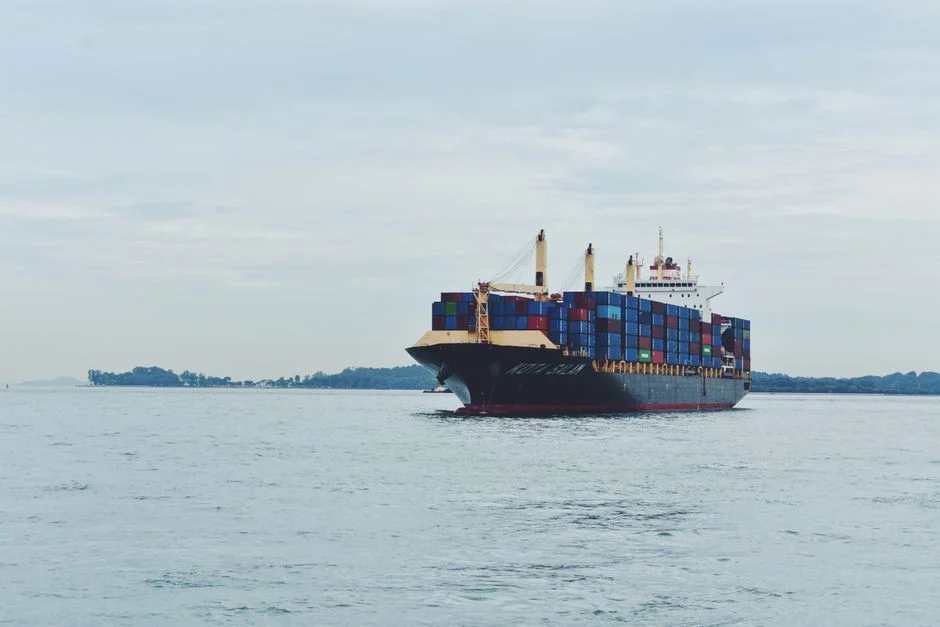
Rerouting Cargo Around the Cape of Good Hope
Many shipping lines now bypass the Red Sea entirely. They sail around Africa instead. This adds weeks to delivery schedules. Fuel costs jump significantly. Yet, your goods arrive safely without risking missile strikes near the Bab el-Mandeb strait. If you ship high-value machinery or electronics, this longer route offers peace of mind.
Relying on Air Freight for Urgent Shipments
Air cargo avoids maritime bottlenecks completely. Planes bypass hostile waters in hours. But air freight charges are steep. You can only justify this expense for urgent components or perishable items. Most small businesses cannot sustain these rates long-term. It works well as a temporary fix during acute crises.
Choosing the Right Strategy for Your Business
Maritime rerouting protects profit margins at the cost of time. Air freight saves time while draining your cash reserves. Most mid-sized UK exporters should combine both methods. Send bulk stock via the Cape. Reserve air freight for emergency orders. That balance keeps your operations running smoothly.
For more information, visit our website.
Related reading
Update: US Government Shutdown Risks 2026: What Congress Is Fighting Over Now
Update: Iran War Red Sea Updates