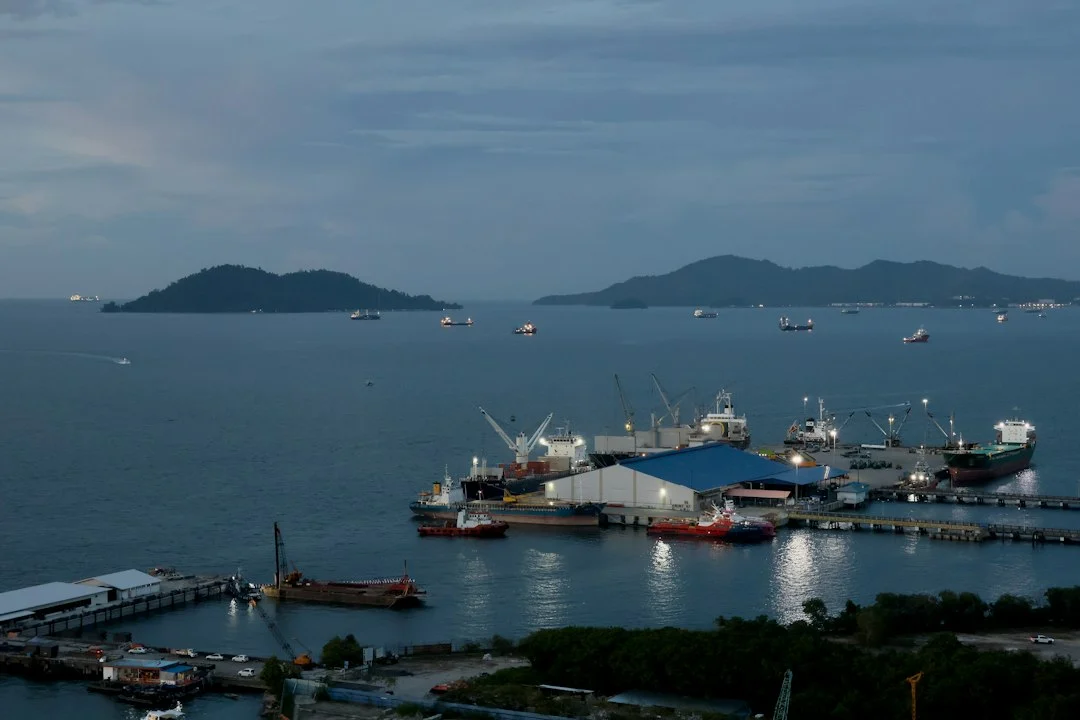
Breaking Down US Iran War Logistics in the Gulf
Maritime traffic through the Strait of Hormuz faces constant scrutiny as analysts debate supply chain vulnerabilities. When tensions spike in the Middle East, shipping insurers quickly adjust rates. Yet the actual flow of cargo ships tells a more nuanced story than standard panic headlines suggest.

We hear endless claims about total blockades halting every drop of oil. That simply ignores how commercial shipping operates under pressure. Let us look at what is actually happening on the water.
Myth: A Complete Shutdown of Gulf Shipping Routes
The biggest misconception is that any military flare-up automatically halts all vessel movement. Cargo operators and tanker captains possess decades of experience navigating volatile waters. They adapt routes, alter speeds, and coordinate with naval patrols.
Vessels keep moving because global demand does not pause for political disputes. Port authorities in the region maintain standard operations unless a direct security incident forces a temporary pause. US Iran war logistics involve complex coordination between commercial fleets and military escorts.
Fact: Dynamic Routing Replaces Fixed Schedules
Captain Sarah Jenkins, a maritime security consultant based in London, points out that modern tracking makes total isolation nearly impossible. Ships divert around high-risk zones hours before an incident makes the news. This flexibility keeps goods flowing even when regional friction intensifies.
On top of that, major energy companies maintain secondary storage reserves in consumer markets. These buffers protect against short delays without triggering immediate shortages at petrol stations across the UK.
Myth: Military Convoys Guarantee Zero Disruption
Another common belief is that naval escorts provide absolute safety for every container ship. Navies face massive operational limits. Protecting hundreds of independent vessels across thousands of square miles stretches resources thin.
Delays still happen at choke points. Port congestion grows when multiple vessels wait for clearance to join organized transit groups. The Pentagon manages these movements carefully, but human error and mechanical issues still cause unexpected bottlenecks.
Fact: Insurance Markets Drive Decisions More Than Missiles
Insurance underwriters hold the real power over who sails where. When risk assessments change, underwriting syndicates hike war-risk premiums overnight. Shipowners evaluate those costs against potential profits before committing to a Persian Gulf transit.
Sometimes staying docked makes better financial sense than braving high insurance fees. This economic reality shapes global supply chains much faster than any official government decree.
Managing Middle East Supply Chain Shocks
Businesses relying on imports from the Gulf region learn to build redundancy into their operations. Diversifying suppliers prevents single points of failure from crippling entire manufacturing lines. For a broader look at how regional instability alters trade patterns, check our Middle East conflict latest updates for ongoing developments.
Smart logistics managers do not panic over every flashing red light on cable news. They track real-time satellite data and speak directly with freight forwarders on the ground. Real preparedness beats emotional reaction every single time.
For more information, visit our website.
Related reading
- US Midterm Elections 2026: What Control of Congress Means for Washington
- US National Security Iran Updates
Update: Universal Tariffs vs. Targeted Sector Duties: Weighing US Trade Policy Approaches
Update: US Iran War Logistics and Maritime Security: How Commercial Cargo Bypasses the Gulf