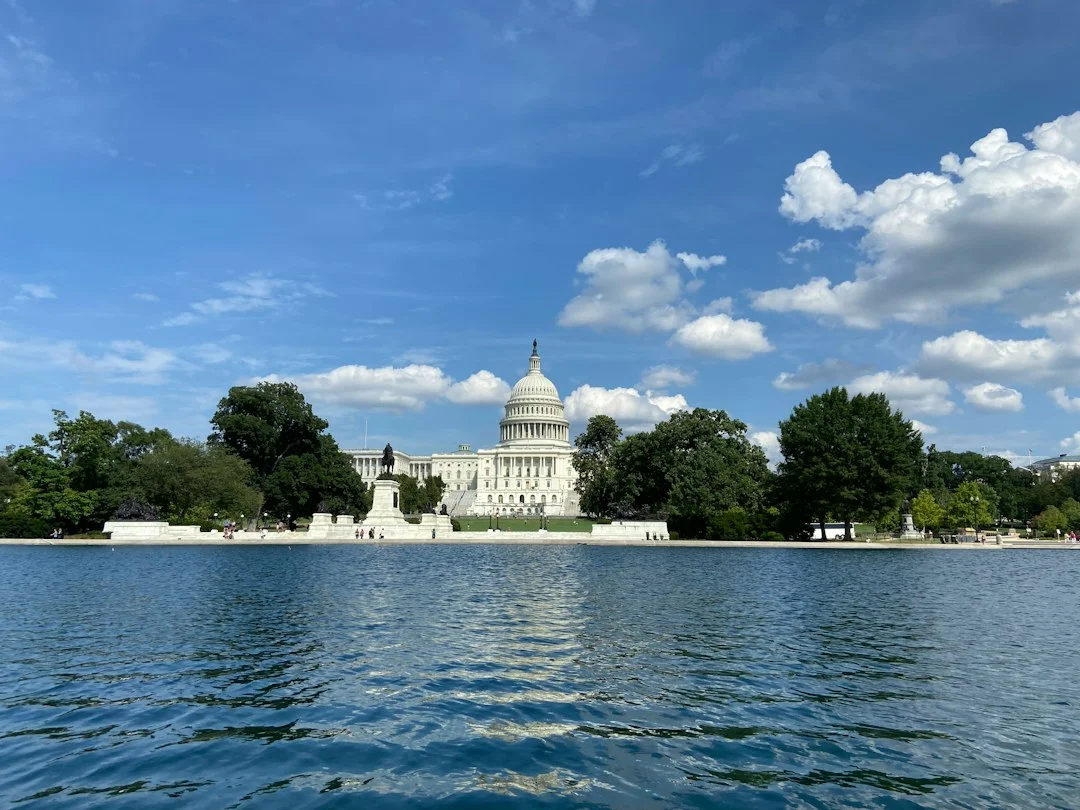
Washington runs on deadlines it routinely misses. When Congress fails to pass regular appropriations bills or a stopgap measure before money runs out, a US government shutdown triggers automatically. Essential services keep running. Everything else stops.
The mechanics look chaotic from the outside. They are. Federal agencies execute contingency plans drafted months in advance. These documents outline who stays on the job and who goes home without pay.
How a US Government Shutdown Begins
Congress has to approve twelve separate spending bills every year. Lawmakers rarely finish this work by the October 1 fiscal deadline. Instead, they pass temporary stopgap measures known as continuing resolutions. You can read more about how those work in our guide on US federal budget news.
When those stopgap funds expire and leaders deadlock, the funding pipeline shuts down. The Office of Management and Budget instructs executive branch departments to begin orderly shutdowns. Non-exempt employees receive furlough notices. Contractors face immediate work stoppages.
Essential Versus Furloughed Personnel
Not all federal workers stay home. Millions of civil servants perform work deemed necessary for protecting life and property. Active-duty military personnel, air traffic controllers, and federal law enforcement officers keep working.
They don’t get paid on time. Congress usually passes back-pay legislation after a shutdown ends, but missed paychecks create severe financial strain for households living paycheck to paycheck. Smithsonian museums lock their doors. National parks see overflowing bins and closed visitor centres.
Economic Fallout and Political Pressure
A prolonged funding lapse drains economic momentum. Small businesses waiting on federal loan approvals face frustrating delays. Federal contractors rarely recoup lost revenue during a shutdown. The broader financial markets often shrug off short disruptions, but prolonged standoffs weigh heavily on consumer confidence.
Politicians feel the heat as public frustration grows. Constituents notice cancelled flights due to staffing strains at airport security checkpoints. Lawmakers eventually face intense pressure to compromise and reopen government doors.
Resolving a US government shutdown requires bipartisan agreement on either full-year spending legislation or another short-term funding patch. Until leaders reach that deal, federal operations remain stuck in neutral.
For more information, visit our website.
Learn more on Wikipedia: US government shutdown.
Related reading
- US Iran Military Posture: Separating Fact From Fiction for UK Watchers
- US Supreme Court Term Limits vs. Court Expansion: Which Reform Approach Works?
Update: How to Track US Presidential Executive Orders From the UK
Update: How to Track US Federal Lobbying Disclosures From the UK