- Myth: A Major Regional Conflict is Imminent Every Time Forces Move
- Fact: Regional Proxy Networks Complicate the US Iran Military Posture
- Myth: Economic Sanctions Have Completely Altered Strategic Calculus
- Fact: UK Interests Remain Directly Tied to Regional Security
- Myth: Diplomatic Channels Are Completely Broken
- What to Watch Next
Tensions across the Persian Gulf remain high. Headlines shift daily. British observers watching the news often struggle to separate verified defence movements from political posturing. Understanding the current US Iran military posture requires looking past the noise. Defence analysts track specific deployments rather than accepting every claim at face value. Let us break down what is actually happening on the ground.
Myth: A Major Regional Conflict is Imminent Every Time Forces Move
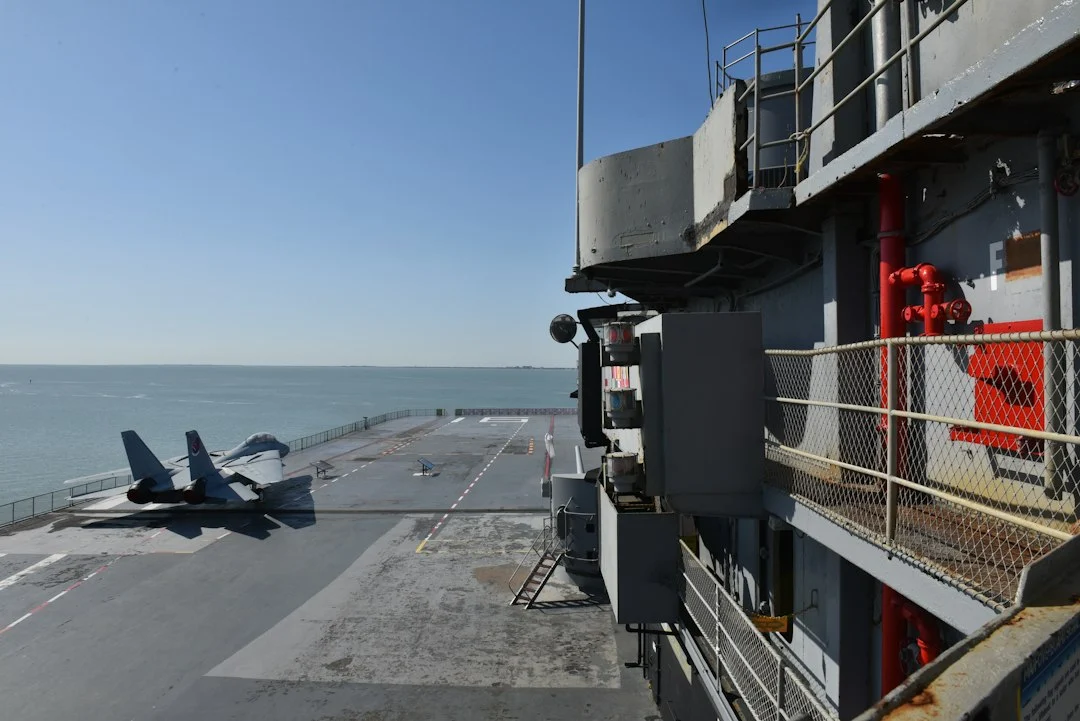
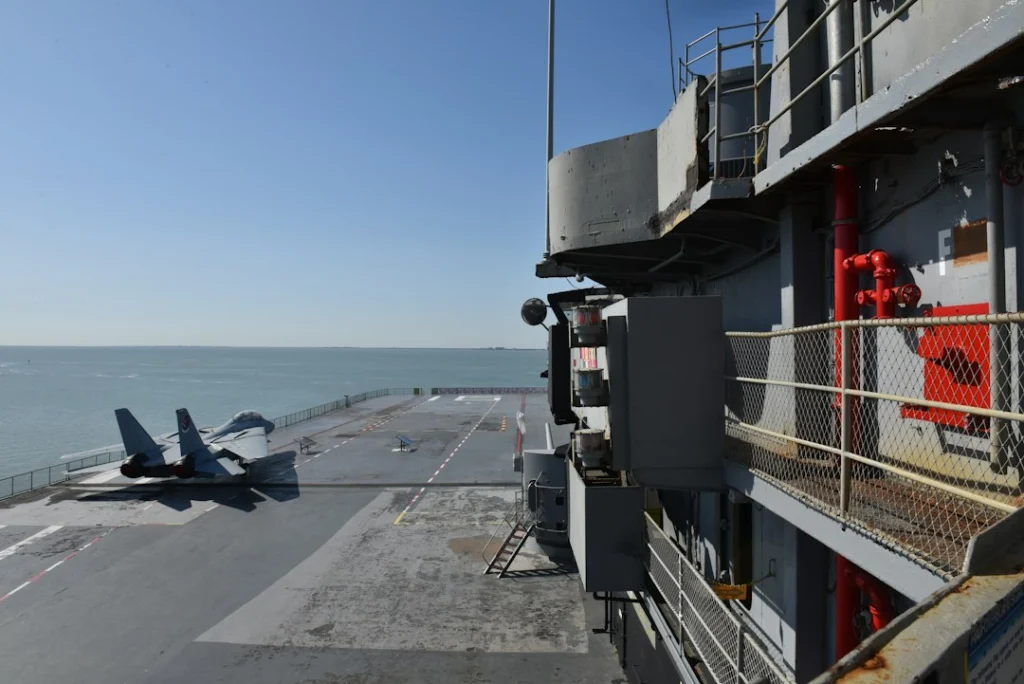
Military movements trigger immediate panic in international media. Aircraft carrier strike groups deploy. Fighter squadrons reposition to regional airbases. News outlets broadcast these shifts on a loop. People assume war starts tomorrow. That is rarely the case.
Deterrence works differently today. Washington uses force positioning to prevent escalation, not to start a fight. The Pentagon routinely rotates assets through the US Central Command area of responsibility. These rotations happen on pre-planned schedules. Adversaries misinterpret routine exercises as preparation for an offensive. Observers in London should check official Department of Defence statements before drawing conclusions.
Fact: Regional Proxy Networks Complicate the US Iran Military Posture
Direct state-on-state combat is only part of the equation. Non-state actors play a massive role in ongoing regional instability. Militia groups backed by Tehran operate across Iraq, Syria, Lebanon, and Yemen. They launch drone and missile attacks against coalition bases and commercial shipping lanes.
Defending against these asymmetric threats changes how commanders deploy resources. Air defence systems like Patriot and Terminal High Altitude Area Defense batteries are in high demand. Washington continuously adjusts its force protection measures. This adaptation forms a core part of the modern US Iran military posture. Troops rely heavily on advanced radar and electronic warfare equipment to spot incoming threats seconds before impact.
Myth: Economic Sanctions Have Completely Altered Strategic Calculus
Sanctions dominate diplomatic discussions. Policymakers argue that strict financial penalties starve governments of resources for military adventures. Proponents claim economic pressure forces a complete policy reversal.
Reality is messier. Sanctions bite hard. Ordinary citizens bear the heaviest cost. Yet, military spending and proxy support often find alternative funding channels through illicit oil sales and regional trade networks. Governments under severe pressure frequently double down on asymmetric capabilities. Cheap drones cost a fraction of traditional fighter jets. Tehran builds up these asymmetric arsenals precisely because expensive conventional forces are harder to maintain under trade restrictions.
Fact: UK Interests Remain Directly Tied to Regional Security
Britain cannot ignore Persian Gulf dynamics. Royal Navy warships regularly patrol vital waterways like the Strait of Hormuz. UK companies rely on secure shipping lanes for energy supplies and trade goods. British military personnel are stationed at regional facilities in Bahrain and Oman.
When Washington shifts its strategic focus, London feels the ripple effects immediately. Joint intelligence sharing keeps British commanders informed of looming threats. Cooperation remains close despite occasional tactical disagreements between allies. The British government must balance alliance commitments with its own national security priorities in the region.
Myth: Diplomatic Channels Are Completely Broken
Public rhetoric sounds hostile. Leaders trade insults through the press. Social media accounts amplify threats and warnings. Observers conclude diplomacy is dead.
Backchannels operate constantly. Regional intermediaries pass messages back and forth. European diplomats maintain open lines of communication to prevent miscalculations. Neither side wants an all-out war that could devastate regional economies and spark a global energy shock. Communication happens quietly, far away from television cameras.
What to Watch Next
Ignore the breathless commentary. Watch the logistics. Track naval group rotations and intelligence reports from credible defence institutes. The true nature of the US Iran military posture reveals itself through quiet deployments and logistical supply lines, not through social media threats.
For more information, visit our website.
Related reading
- US Supreme Court Term Limits vs. Court Expansion: Which Reform Approach Works?
- Strait of Hormuz Security: What UK Shipping Firms Face Now
Update: US Congressional Oversight on Iran Policy: What UK Observers Need to Know
Update: How to Track US Presidential Executive Orders From the UK