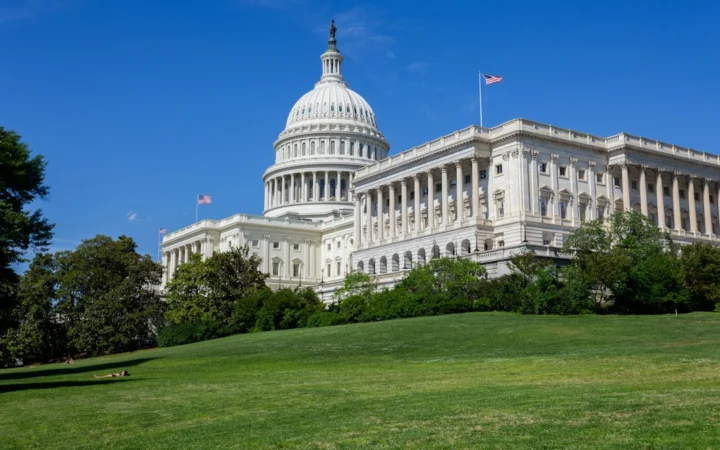
Washington runs on friction. Every branch of government watches the others constantly. Lately, the judicial branch has grabbed the steering wheel. Recent US Supreme Court rulings have altered how federal agencies write regulations. For British observers tracking American politics, these legal shifts matter deeply. They change how trade, environmental rules, and corporate oversight actually work on the ground.

The Fall of Chevron Deference and US Supreme Court Rulings
For decades, courts deferred to federal agencies. If a statute felt vague, experts in Washington filled the gaps. Judges stepped back and let bureaucrats decide what Congress meant. That era ended abruptly. Major US Supreme Court rulings dismantled that long-standing legal standard. Now, federal judges make the final call on statutory ambiguity.
This single shift changed the administrative state overnight. Agencies like the Environmental Protection Agency or the Federal Trade Commission lost significant unilateral power. Businesses no longer assume a bureaucrat’s interpretation will survive a court challenge. Corporate legal teams now file lawsuits immediately, questioning every new federal mandate.
For UK companies exporting goods across the Atlantic, this legal volatility creates unique hurdles. Rules change faster. Enforcement depends on which federal district court hears the case. A policy that holds firm in California might get blocked in Texas. That sort of patchwork application makes long-term planning difficult for foreign investors.
How Lower Courts Process New US Supreme Court Rulings
District judges sit on the front lines now. They interpret broad constitutional principles without agency guideposts, creating immediate division. One judge issues a nationwide injunction while another judge in a different state allows the same policy to proceed. The Supreme Court ends up bogged down with emergency appeals.
Washington insiders call this the shadow docket era. Emergency orders arrive late at night. They lack full briefing and oral arguments, yet they halt major federal policies instantly. Observers in London often struggle to keep pace with these sudden judicial halts. One day a rule is active. The next day it is frozen nationwide.
Congress watches this friction with anxiety. Lawmakers spent decades writing intentionally vague laws, preferring to leave hard choices to regulatory experts. Now, those vague laws invite endless litigation. If Congress wants clear rules, lawmakers must actually write specific legislation. Passing specific bills in a polarized Capitol remains notoriously difficult.
Executive Overreach and Judicial Pushback
Presidents rely heavily on executive orders to bypass a gridlocked Congress entirely. White House lawyers draft them carefully, stretching existing statutes to cover new policy goals. Opponents rush to courtrooms immediately. Recent judicial decisions show little patience for stretched executive authority.
When the executive branch tries to forgive student loans or mandate workplace safety rules via memo, courts step in. Judges demand explicit congressional authorization. Major economic interventions require clear statutory backing. This doctrine stops sweeping regulatory changes in their tracks.
British executives often compare this with the UK parliamentary system. Downing Street holds immense legislative control. A UK government with a solid majority passes laws quickly. The US system features built-in friction by design. Independent judges routinely block executive actions. Understanding this structural difference helps explain why American policy swings so wildly between administrations.
Economic Fallout and Business Adaptation
Markets hate uncertainty. Washington courtrooms currently generate massive amounts of it. Companies invest millions in compliance strategies only to watch a federal judge strike down the underlying rule. Corporate strategists must pivot instantly. This environment affects international trade just as much as domestic commerce.
Consider how trade regulations interact with shifting judicial standards. When federal agencies attempt to adjust tariffs or impose supply chain restrictions, affected industries sue. Exporters face moving targets. For a broader look at how trade restrictions affect foreign markets, review US tariff policy under the white house to see how executive actions meet commercial reality.
Litigation is now a standard part of business strategy in America. Lobbyists no longer just visit agency headquarters. They hire appellate lawyers and look for sympathetic federal judges. This trend accelerates as political polarization deepens across the country.
What Comes Next in Washington
The Supreme Court shows no signs of backing away from its aggressive judicial review docket. Upcoming terms feature cases addressing internet speech, agency independence, and environmental limits. Each decision alters the balance of power in Washington.
For international observers, ignoring these legal battles is risky. American law dictates global standards in tech, finance, and energy. When Washington changes its administrative rules, the ripple effects hit London boardrooms within days. Stay vigilant and watch the court dockets as closely as you watch the polls.
For more information, visit our website.
Related reading
- US Postal Service Rate Increases: What British Observers Need to Know
- US Iran War Logistics: Moving Heavy Armor Across the Middle East