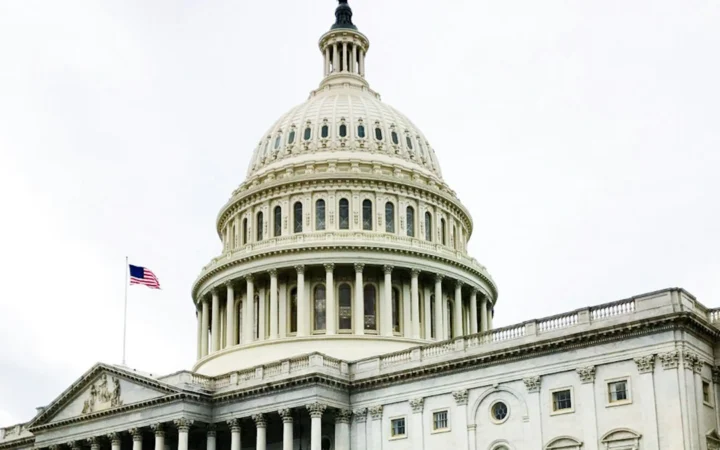
Decoding Washington’s Trade Levies
US tariffs policy often feels like a confusing puzzle of numbers and political speeches. Every time Washington announces a new round of import taxes, global markets react almost instantly. But what do these duties actually achieve, and how do they function behind the headlines? Let’s break down the mechanics without the political spin.
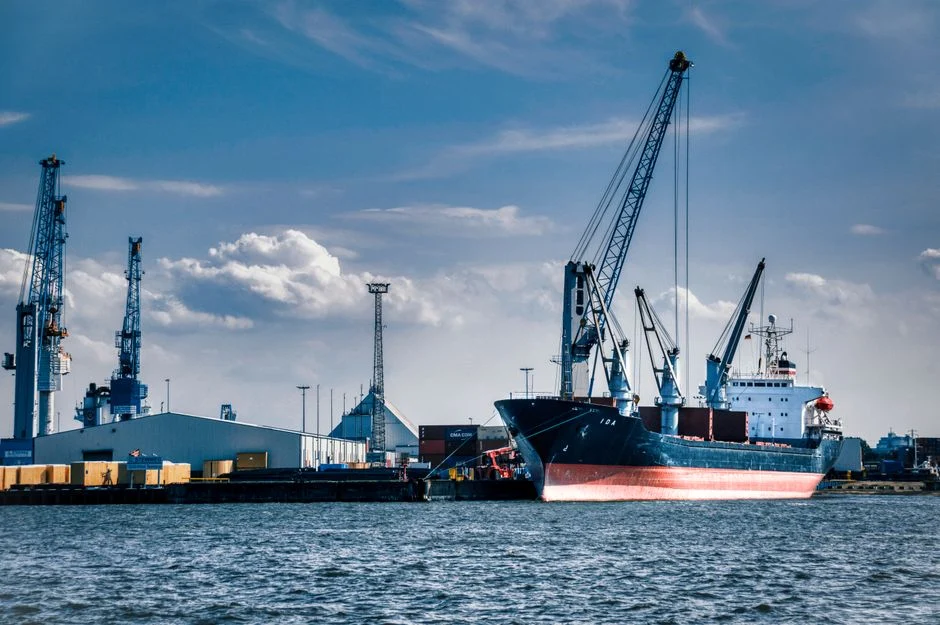
Put simply, a tariff is a tax applied to goods imported from foreign nations. The US government uses these levies to protect domestic industries, retaliate against unfair trade practices, or exert diplomatic pressure. While the White House sets the direction, agencies like the US International Trade Commission handle the heavy lifting.
The Myth That Foreign Exporters Pay the Tax
Many politicians claim that foreign countries write a check directly to the US Treasury when tariffs go up. That’s simply not how it works. Importers based in the United States pay the customs duty when foreign goods arrive at ports. American businesses pass those extra costs down to consumers or absorb the hit in their profit margins. It’s a domestic tax on foreign-made items.
Take electronics or clothing as an example. When a 25 percent levy hits a specific category of imported components, the factory abroad doesn’t lower its price to cover the difference. The American company buying those parts pays the higher invoice at the border. Understanding US tariffs policy means looking past campaign rhetoric and checking who actually hands money to customs officers.
How US Tariffs Policy Shifts Manufacturing Strategy
Proponents argue these trade barriers force companies to bring factories back home. Sometimes that happens. A firm facing steep import penalties might relocate assembly lines to domestic soil or shift production to a country without heavy duties. This strategy aims to safeguard national security interests and vital supply chains.
Yet supply chains are messy and deeply entrenched. Moving a manufacturing hub takes years and millions of dollars. Instead of returning to the US, many firms simply hop to alternative low-cost countries. The intended domestic boom often turns into a complex game of international corporate relocation.
The Reality of Retaliatory Measures
No major trading nation sits back while its exports face heavy taxation. When Washington imposes new levies, target nations almost always respond with their own counter-tariffs. American agricultural exports, machinery, and consumer goods usually bear the brunt of this retaliation. Farmers in the Midwest or manufacturers in the Rust Belt often find their overseas markets shrinking overnight as foreign buyers look elsewhere for cheaper alternatives.
This tit-for-tat cycle creates severe pressure points across the US economy. Policymakers sometimes introduce subsidy packages or federal bailouts to cushion the blow for affected domestic sectors. Those bailouts cost taxpayers billions, adding another layer to the true economic footprint of protectionist trade rules.
Looking Ahead at Global Trade Rules
Tariffs are no longer just temporary negotiating tools. They have become a permanent feature of modern economic statecraft in Washington, embraced across party lines. Whether these measures successfully revitalize American industry or simply raise everyday costs remains hotly debated by economists. What’s certain is that international trade will never look quite the same again.
For more information, visit our website.
Related reading
- How to Track US Middle East Deployments from the UK
- US Federal Budget News: The Real Cost Behind Washington’s Spending Fights
Update: Chicago News Today
Update: Strait of Hormuz Shipping Disruptions: 5 Realities for UK Operators