The Anatomy of a Funding Standoff
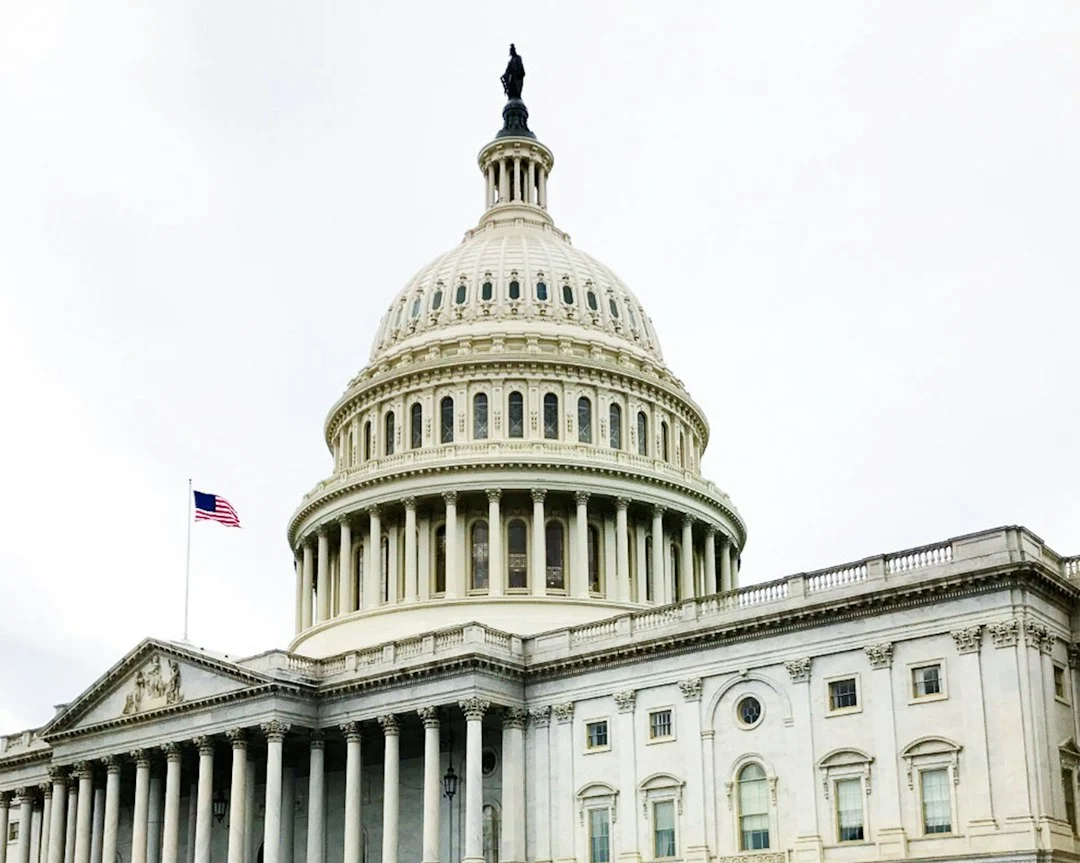
Washington is careening toward another fiscal cliff. Lawmakers on Capitol Hill are locked in fierce congressional budget debates over how to keep federal agencies funded. Every few months, the cycle repeats itself. We see last-minute negotiations, high-stakes brinkmanship, and the looming threat of a government shutdown.

Passing a federal budget isn’t just about simple arithmetic. It’s an ideological tug-of-war. The House usually pushes for deep spending cuts and strict policy riders. Meanwhile, the Senate prefers a more moderate approach to keep agencies running without major disruptions. These two divergent paths create a massive legislative bottleneck.
Continuing Resolutions vs Omnibus Spending Bills
When lawmakers can’t agree on a comprehensive annual budget, they rely on stopgap measures. A continuing resolution (CR) simply extends current funding levels for a few weeks or months. It kicks the can down the road. It avoids a shutdown today, but it doesn’t solve any long-term structural problems.
Omnibus bills take the opposite approach. They bundle all twelve individual appropriations bills into one massive legislative package. Leadership loves them because they force an up-or-down vote on a gargantuan piece of legislation. Critics hate them for the exact same reason. Nobody can read the thousands of pages before voting, and controversial provisions often get smuggled in unnoticed.
For anyone tracking these congressional budget debates, the choice between a CR and an omnibus highlights total dysfunction. A CR freezes government priorities, starving new initiatives of cash. Omnibus bills reward procrastination by forcing members to swallow massive spending packages under extreme duress.
The Real Cost of Shutdown Threats
Threatening to shut down the government has become a standard negotiating tactic. It rarely works out well for the public. Federal workers miss paychecks, national parks close their gates, and air travel suffers from staffing crunches at the FAA. Even if a deal gets struck at the eleventh hour, the uncertainty rattles markets and frustrates ordinary citizens who rely on public services.
Economists point out that shutdowns actually cost taxpayers money rather than saving it. Backpay for furloughed workers, administrative chaos, and delayed infrastructure projects add up quickly. Yet, hardline factions on both sides often view the threat of a shutdown as their best leverage to force policy concessions.
Which Path Forward Actually Works?
The status quo is broken. Relying on constant crisis management makes effective governance nearly impossible. If Congress wants to fix these recurring congressional budget debates, lawmakers need to return to regular order. That means passing individual appropriations bills through proper committee review instead of rushing multi-trillion-dollar packages through in the dead of night.
Until leadership grows the political spine to stand up to partisan factions, expect more of the same. Every few months, you’ll read headlines about impending shutdowns and frantic weekend negotiations on Capitol Hill. The system survives, but it barely functions.
For more information, visit our website.
Related reading
- US Iran Conflict Media Coverage: How British Broadcasters Handle the Crisis
- US State Voting Laws: How Local Changes Are Reshaping American Elections