- 1. How US Tariff Policy Actually Works in Practice
- 2. The Shift Toward Protectionist Measures
- 3. Congressional Authority Versus Executive Power
- 4. How Global Supply Chains Adapt to Duties
- 5. The Mechanics of Section 301 and Section 232
- 6. Retaliatory Tariffs and International Trade Wars
- 7. Future Outlook for US Tariff Policy and Global Markets
Washington relies heavily on economic tools to project power abroad. Right now, US tariff policy sits squarely at the center of that strategy. Lawmakers and executive branch officials use import taxes not just to raise revenue, but to shape global supply chains, protect domestic manufacturing, and penalize foreign competitors. If you watch American politics from across the Atlantic, understanding these measures matters. Trade rules shift fast. They impact global markets, consumer prices, and diplomatic relations overnight.
1. How US Tariff Policy Actually Works in Practice
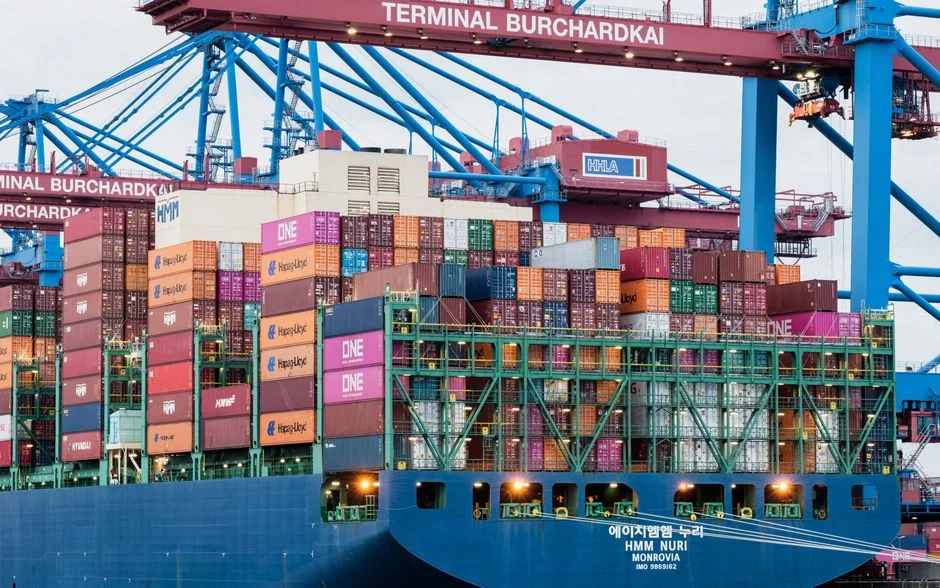
Tariffs are taxes applied to goods arriving from foreign nations. Importers pay these fees at the border. They don’t pay them directly to foreign governments. Instead, U.S. Customs and Border Protection collects the cash when shipments clear ports of entry.
Businesses pass those extra costs down the line. Retailers pay more. Consumers end up footing the bill through higher prices on store shelves. Policymakers know this. They still use import taxes anyway because tariffs create an immediate financial barrier for foreign-made goods. Domestic companies get a price advantage. That is the core goal of protectionism.
2. The Shift Toward Protectionist Measures
Free trade used to be the bipartisan consensus in Washington for decades. Both major parties largely backed lowering barriers and signing sweeping trade agreements. That era is gone.
Today’s political climate embraces skepticism toward globalization. Lawmakers from both sides of the aisle argue that previous deals hollowed out American factory towns. They point to lost jobs in the industrial Midwest. Protecting domestic workers now outweighs the pursuit of frictionless global commerce. This shift drives modern legislative agendas and executive actions alike.
3. Congressional Authority Versus Executive Power
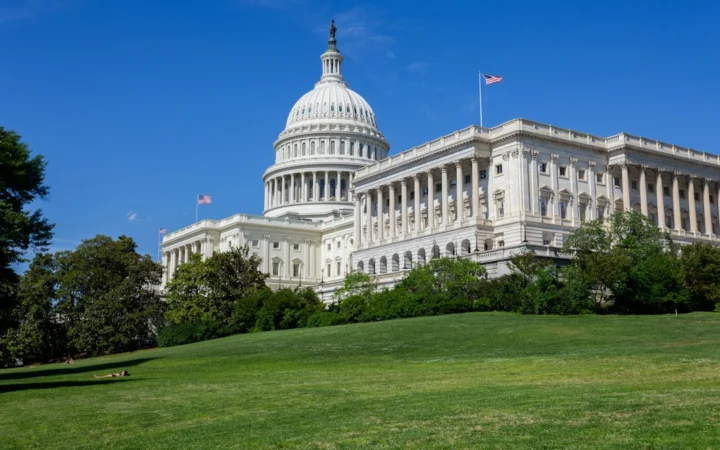
The U.S. Constitution grants Congress the power to regulate foreign commerce and set taxes. Over the years, lawmakers delegated significant authority to the White House.
Presidents now wield sweeping emergency powers and statutory authorities. They can impose duties quickly without waiting for Congress to pass a new bill. This setup gives the executive branch immense leverage. A president can threaten duties on a Tuesday and sign an executive order on a Wednesday. Courts rarely block these actions because Congress originally wrote the laws giving the executive branch wide latitude on national security and economic emergencies.
4. How Global Supply Chains Adapt to Duties
Companies hate uncertainty. Tariffs introduce massive amounts of it. When Washington slaps heavy duties on goods from a specific nation, businesses scramble to adjust.
Executives move factories to alternative countries. They reroute shipping lanes. Sometimes, they simply absorb the cost if profit margins allow it. Supply chains prove remarkably flexible, but shifting manufacturing hubs takes years and millions of dollars. Consumers ultimately pay for those logistical gymnastics through increased product costs.
5. The Mechanics of Section 301 and Section 232
Federal law features specific tools that justify levying import taxes. Section 301 of the Trade Act of 1974 allows the executive branch to penalize unfair trade practices by other nations. Section 232 of the Trade Expansion Act of 1962 focuses purely on national security.
Administrations use these statutes to justify tariffs on steel, aluminum, and a vast array of technology products. Legal challenges frequently arise. Businesses argue that the government oversteps its statutory bounds. Yet, federal agencies continue using these specific legal hooks because they provide a streamlined path to imposing duties without congressional votes.
6. Retaliatory Tariffs and International Trade Wars
Other nations rarely accept American duties sitting down. When Washington imposes taxes on foreign goods, targeted countries respond in kind.
They levy their own taxes on American agricultural products, aircraft, and manufactured goods. Farmers in the American heartland often bear the brunt of these retaliatory strikes. Soybean and pork exporters see their overseas markets dry up almost overnight. Governments then step in with massive federal subsidies to bail out domestic producers. Trade disputes quickly spiral into complex economic standoffs.
7. Future Outlook for US Tariff Policy and Global Markets
Economic nationalism is here to stay. Neither political party shows any appetite for returning to the uncritical free-trade stance of the late 20th century.
Future administrations will likely expand duties to cover emerging sectors like clean energy technology, advanced semiconductors, and electric vehicles. For observers watching from the UK and Europe, tracking these regulatory shifts remains essential. American trade decisions ripple outward, altering global pricing structures and forcing international businesses to constantly redesign their operational playbooks.
For more information, visit our website.
Related reading
- How to Monitor Middle East Shipping Disruptions from the UK
- US Middle East Strategy Changes: What UK Observers Need to Know
Update: How to Track US Election Results from the UK
Update: US Senate Filibuster Reform: Retain the 60-Vote Threshold or Move to a Simple Majority?