Following US election results from across the Atlantic means dealing with awkward time zones, endless punditry, and a barrage of partial data. When polls close on the eastern seaboard late in the UK evening, British night owls face hours of waiting for western states to report. Knowing where to look cuts through the chaos.
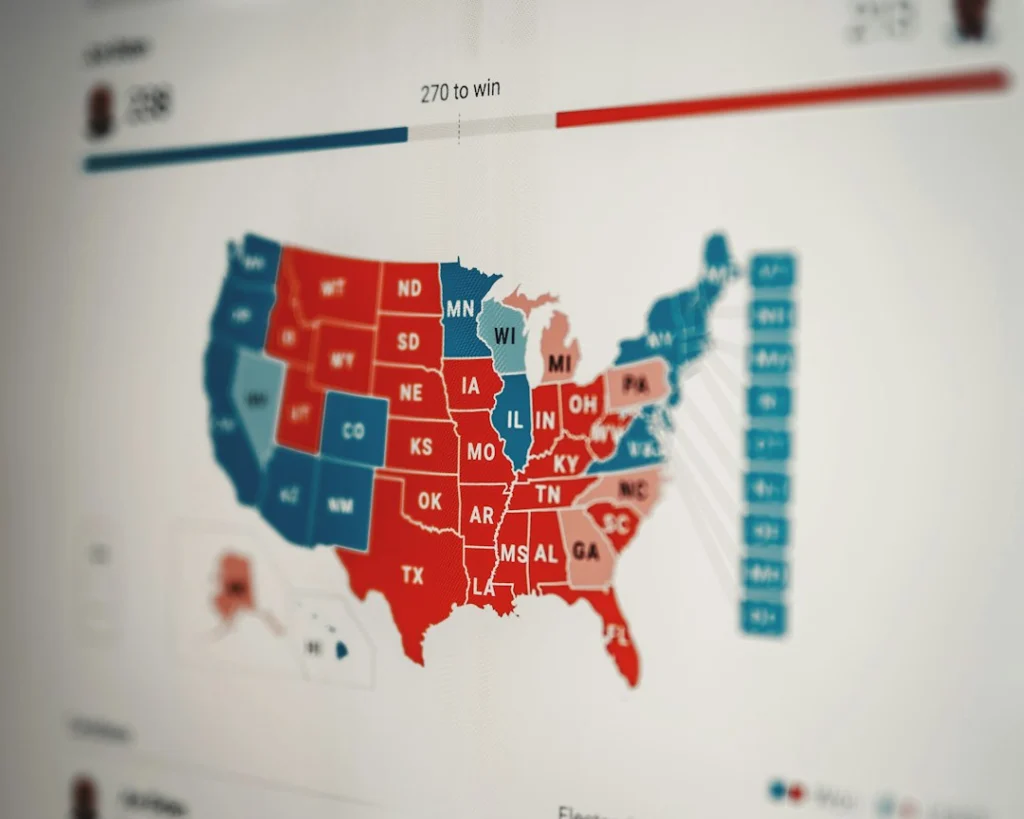
Most British viewers rely on live television broadcasts. The BBC and Sky News run wall-to-wall coverage through the night, bringing in Washington correspondents and data analysts. Yet television feeds often lag behind raw figures. If you want precision, you need direct access to state election boards and trusted tally systems.
Setting Up Your Digital Dashboard
Websites like Associated Press, Reuters, and Politico update vote counts faster than any television anchor can speak. Open three distinct browser tabs before polls close. Pin state-specific tracking pages for crucial battlegrounds like Pennsylvania, Michigan, and Wisconsin. Those three states usually dictate the wider outcome.
Keep local media bookmarked too. The Philadelphia Inquirer or the Detroit Free Press often catch hyper-local shifts long before national networks aggregate them. Social media offers real-time chatter, but verify every viral claim against official numbers. Rumours travel fast on election night.
Understanding the Time Zone Shift
Eastern Standard Time sits five hours behind Greenwich Mean Time. When polls close at 7:00 PM in New York, it is already midnight in London. Western states like California keep voting until 4:00 AM UK time. Plan your sleep accordingly because waiting for a definitive call rarely happens before dawn breaks in Britain.
Mail-in ballots complicate the timeline. States handle early votes differently. Some count them first, while others stack them until election day ends. This structural variation creates the famous ‘mirage’ effect where early leads evaporate entirely once postal votes enter the system.
How to Read US Election Results Data
Ignore early percentages entirely. A candidate leading with two percent of precincts reporting tells you nothing. Look instead at the share of total expected votes already counted, usually displayed alongside the main tally. If rural counties report early while urban centres lag, the Republican numbers will look artificially high. Reverse that dynamic for Democratic strongholds.
Watch for bellwether counties that historically mirror national trends. Pay attention to turnout figures in suburban districts outside major cities. Those specific demographics frequently swing the entire contest.
Avoiding Noise and Misinformation
Social feeds flood with edited clips and false projections during peak hours. Mute partisan accounts that declare victory prematurely. Stick to institutional wire services and official secretaries of state websites. Patience remains your best asset when tracking complex political counts from abroad.
For more information, visit our website.
Related reading
- US Iran Conflict Risk: Direct Engagement vs. Proxy Warfare
- US Tariff Policy: 7 Key Things to Understand About Washington’s Trade Strategy
Update: How to Track US Iran War Developments Online From the UK
Update: US Visa Bulletin Updates: How British Applicants Read Priority Dates