The Shift Away from the Commission
For decades, the Commission on Presidential Debates handled every major showdown between nominees. That era ended recently. Both major political camps got fed up with the old setup, pointing to rigid rules and lacklustre enforcement as reasons to seek alternatives.
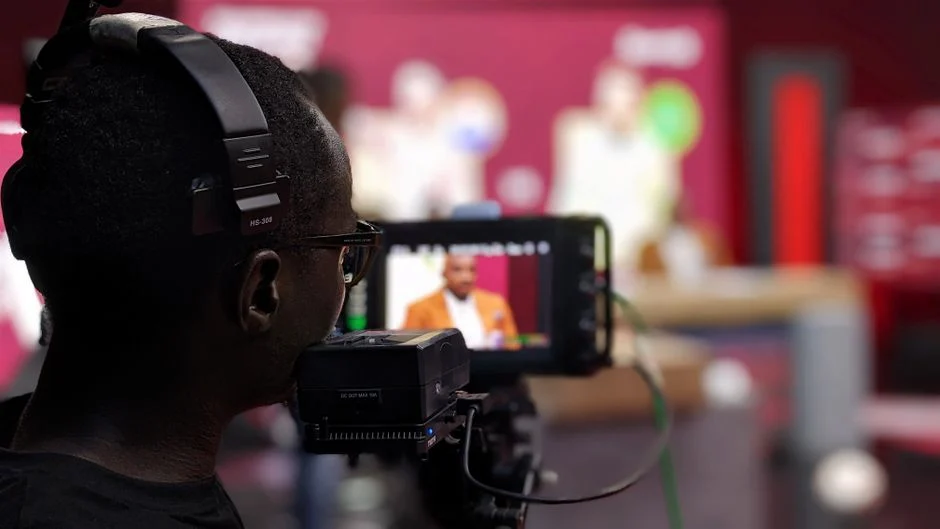
Networks stepped into that void. Broadcasters offered different staging options and altered time limits. Viewers noticed an immediate change in pacing and tone.
Comparing the Two Formats
Commission-run events followed a strict formula. Lecterns, fixed time limits, and seated panels defined the stage. These rules aimed to keep candidates on track, but they usually just created stiff exchanges instead of genuine engagement.
Network-hosted forums take a different route. Broadcasters use standing formats and active moderators. Producers push for direct clashes between rivals, which changes the dynamic entirely. Candidates interrupt more often. Discussions move faster because anchors exert direct control over microphones and clocks.
Let’s look at the actual trade-offs.
Control and Enforcement
The old commission relied on polite norms. When candidates talked over each other, moderators struggled to restore order, and viewers lost track of policy details during the shouting matches.
Private networks solve this by cutting audio feeds. That single tool changes behaviour overnight. Politicians talk directly to each other when producers force them to respect the timer, keeping the focus on answers rather than theatrics.
Accessibility and Reach
Commission events aired simultaneously across every major broadcast network and cable channel so anyone could tune in easily. Network-hosted debates sometimes involve exclusive streaming deals or single-network windows, which fragments the audience.
Voters miss out when coverage shifts behind paywalls or app registrations. Public access matters enormously during a national election.
The Verdict on US Presidential Debates
Network formats deliver sharper television. They force direct answers and punish evasive tactics through immediate microphone management. US presidential debates simply run better when professional broadcasters apply strict production pressure.
Exclusive broadcast rights remain a real drawback, though. Broadcasters need to share feeds freely to guarantee maximum voter turnout. Better rules make network formats the superior choice overall, provided public access remains protected.
For more information, visit our website.
Learn more on Wikipedia: US presidential debates.
Related reading
- US Central Command Operations in the Middle East: What British Observers Need to Know
- Inside the US Supreme Court Docket: What British Observers Need to Know About Recent Rulings
Update: US Immigration Policy Updates: What the Latest Executive Actions Mean for Visa Holders
Update: US Iran War Oil Sanctions: How British Energy Markets Respond