When the justices in Washington hand down a major decision, the shockwaves rarely stay inside American borders. The US Supreme Court sits at the apex of the American legal system. Its choices dictate everything from corporate regulations to environmental policy. For people watching from the UK, understanding these legal maneuvers matters more than ever. British businesses, policymakers, and expats often feel the direct impact of a single ruling issued blocks away from the US Capitol.
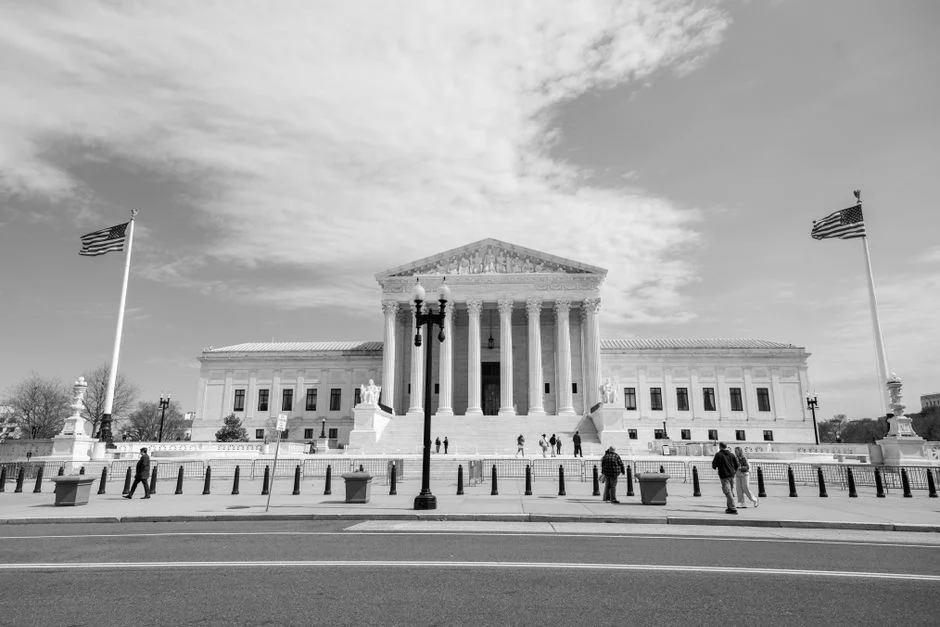
Every autumn, the justices open a new term. They sift through thousands of petitions for certiorari, though most get rejected without a comment. Only a tiny fraction secure oral arguments. This selective filtering process determines which controversial issues get national answers. Last term brought landmark rulings on federal agency authority, executive power, and digital speech rights. Each verdict alters the playing field for anyone operating across the Atlantic.
The Changing Power Dynamics at the US Supreme Court
The current bench operates with a distinct conservative majority—six appointed conservatives and three liberals make up the panel. This balance shifts how arguments unfold during oral sessions. Justices probe lawyers with sharp, pointed questions. You can watch the live audio feeds or read transcripts hours later. These debates reveal deep ideological divides over constitutional interpretation.
Originalism remains the dominant judicial philosophy for the majority bloc. Justices who favor this approach look at the text through historical lenses, asking what the words meant when writers drafted the Constitution centuries ago. Critics argue this method ignores modern realities. Supporters counter that it keeps judges from inventing laws from the bench. This philosophical tug-of-war drives every major opinion published by the court.
Recent terms saw the bench dismantle long-standing precedents. The most notable example involved rolling back federal regulatory power. For decades, courts deferred to expert federal agencies on ambiguous statutes, but the justices swept that doctrine aside. Now, federal judges decide what the law means instead of career civil servants. That single shift creates massive ripples for trade compliance, tech regulation, and corporate governance.
How Rulings Ripple Across the Atlantic
British firms trading with America deal with complex compliance hurdles. When the high court curbs regulatory powers, federal agencies must rewrite their rulebooks, and businesses face sudden shifts in environmental standards or labor rules. Compliance teams scramble to adapt. A court ruling on antitrust law can upend how major tech giants operate globally. Since many of these firms operate out of California and Washington, their European divisions feel the pinch immediately.
Expats also watch these dockets closely. Decisions on tax enforcement, immigration procedures, and civil rights affect British citizens living stateside. Dual nationals often find themselves navigating overlapping legal frameworks. When the highest tribunal clarifies a constitutional right, state laws and federal policies clash. Resolving those conflicts takes years of lower court litigation.
Financial markets react instantly to these legal developments. Wall Street traders parse every word of a major opinion. Interest rates, sector valuations, and corporate strategies hinge on judicial outcomes. If the court strikes down a major piece of economic legislation, stock prices move within minutes. British investors holding US equities must stay alert to these legal tremors.
Tracking Decisions Beyond the Headlines
Major media outlets cover the big-ticket cases with wall-to-wall analysis. Abortion access, gun rights, and election rules grab front-page attention. But the tribunal decides dozens of quieter cases every year. These unglamorous disputes shape patent law, maritime commerce, and criminal procedure. Ignoring them leaves blind spots in your understanding of American governance.
To track these developments effectively, you need reliable primary sources. The court publishes every opinion directly on its official website. You can read the majority opinion, concurring notes, and fiery dissents in full. Reading the raw text cuts through partisan spin. It shows precisely what the justices decided and what questions they left open for future cases.
Administrative law offers another critical window into US policy shifts. Federal agencies issue daily rules that implement court mandates and legislative acts. If you want to monitor these regulatory changes alongside judicial opinions, you can check how to monitor US Federal Register notices from the UK for practical steps on staying informed from abroad. Federal register updates often reveal the practical fallout of a supreme court ruling long before the mainstream press catches up.
The Role of Administrative Law and Federal Rules
Judicial restraint takes many forms in modern jurisprudence. Sometimes the justices refuse to touch a hot-button political issue, while other times they step in aggressively to halt executive overreach. Lower federal courts handle the initial fallout. District judges issue injunctions that freeze new policies nationwide. These preliminary battles often dictate the ultimate outcome of a legal challenge.
The Department of Justice deploys squads of lawyers to defend federal statutes. State attorneys general routinely sue the administration to block new rules. This dynamic turns state capitals into fierce legal battlegrounds. When multiple states band together to challenge a federal mandate, the case almost always ends up on the Washington docket. Observers must watch state-level litigation to spot the next big national legal fight.
The US Supreme Court also sets procedural rules that govern all lower federal courts. These rules dictate how trials run, what evidence gets admitted, and how civil lawsuits proceed. Even minor tweaks to procedural rules change how foreign litigants sue American corporations. Civil litigation in the United States remains notoriously expensive and complex. Supreme court rulings on class action standards directly influence risk assessments for international companies.
What to Expect Next Term
The upcoming term promises fresh clashes over free speech, digital privacy, and executive authority. Social media moderation laws passed by state legislatures are working their way up the appellate ladder. The justices must decide where state power ends and online expression begins. These cases will set global precedents for how governments regulate digital platforms.
Elections also cast long shadows over the judicial branch. Controversies over voting mechanics, campaign finance, and redistricting regularly land on the docket. Whenever election laws change ahead of a national vote, emergency appeals flood the courthouse. The justices often issue emergency stays late at night without full briefings. These rapid-fire decisions test the stability of American democracy.
Staying informed requires patience and skepticism. Pundits love to predict how the conservative majority will rule on every single dispute, but reality proves messier. The justices surprise observers with unexpected alliances and narrow rulings. Paying attention to the fine print matters more than trusting cable news summaries.
As the US Supreme Court continues to reshape American law, British observers must look past the noise. Focus on the core legal principles and the practical administrative changes that follow each term. That approach cuts through the political theater and reveals how American governance actually operates on the ground.
For more information, visit our website.
Learn more on Wikipedia: US Supreme Court.
Related reading
- US Iran War Diplomacy: What British Observers Need to Know
- US Congressional Budget Battles: What British Observers Need to Know
Update: US Presidential Debates: Commission vs Network-Hosted Formats
Update: US Federal Budget News