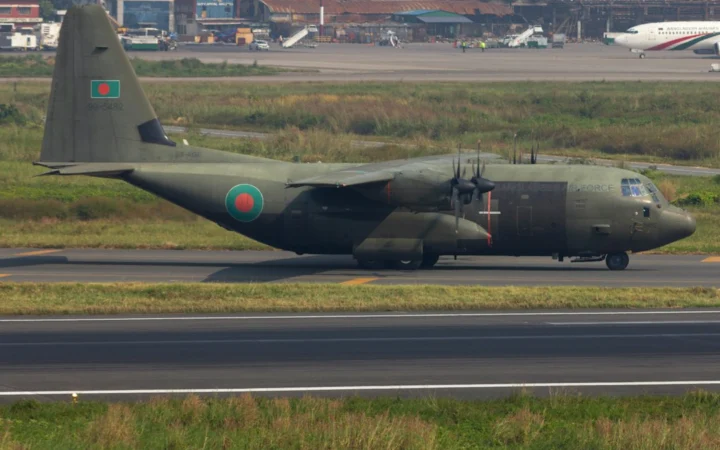
Tensions between Washington and Tehran are sitting at a dangerous boiling point right now. Military analysts are tracking several volatile flashpoints on a daily basis. Getting a grip on these friction areas helps clarify why a wider conflict remains a constant threat.
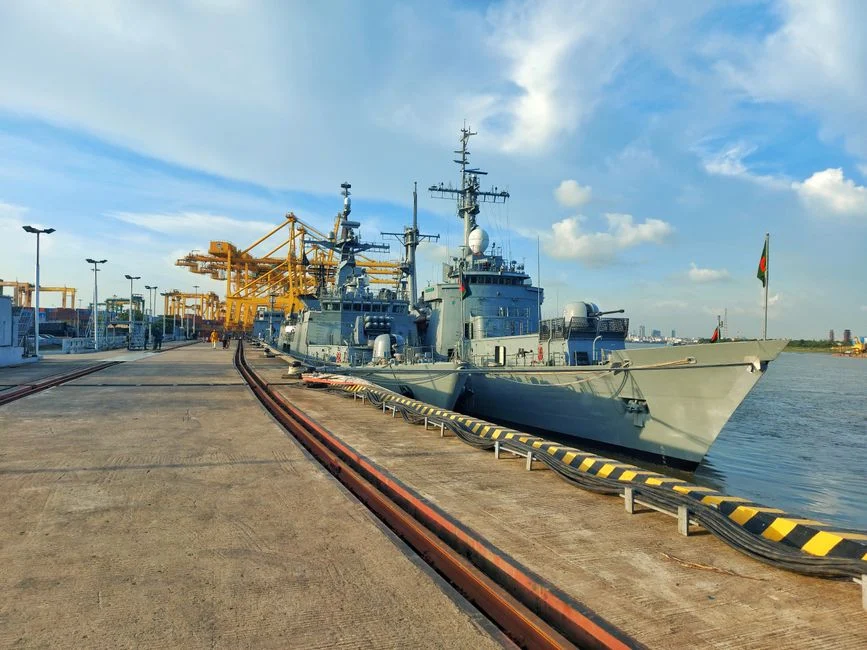
1. Maritime Choke Points and Gulf Security
The Strait of Hormuz remains a primary naval battleground. Roughly a fifth of global petroleum passes through this narrow waterway. Iranian naval forces routinely harass commercial tankers and US warships operating nearby. Any miscalculation in these waters could trigger an immediate military response. British shipping firms operating in the region face severe insurance spikes and constant disruption risks.
2. Proxy Networks Across the Middle East
Tehran maintains a formidable network of regional militias. Groups in Iraq, Syria, Lebanon, and Yemen act as extended arms of Iranian foreign policy. These factions frequently target American bases and allies with drones and rockets. Managing these proxy attacks without sparking a full-scale regional war challenges Pentagon planners constantly.
3. Nuclear Escalation and Enrichment Thresholds
Iran’s nuclear program continues advancing past previous international limits. Inspectors from the International Atomic Energy Agency report growing stockpiles of near weapons-grade uranium. Israeli leaders view this progress as an existential threat. Washington faces mounting pressure to deter Tehran’s atomic ambitions without resorting to preemptive airstrikes.
4. Cyber Warfare and Critical Infrastructure
Digital battlefields see daily skirmishes between US and Iranian state-sponsored hackers. State agencies and private corporations face relentless probes. Financial networks, energy grids, and government databases remain prime targets. A major destructive cyber attack could easily cross the threshold into kinetic warfare.
5. Economic Sanctions and Diplomatic Standstills
Decades of sweeping economic embargoes have crippled the Iranian economy. Yet, sanctions failed to force a change in regime behavior. Diplomatic channels are mostly frozen. Without active negotiations, both nations rely on deterrence and military posturing to communicate red lines.
For more information, visit our website.
Related reading
- US Mail-In Voting vs. In-Person Voting: Which System Works Best?
- UK Maritime Security Amid Middle East Tensions
Update: US Federal Government Shutdowns vs Continuing Resolutions: Which Funding Strategy Works Best?
Update: US Iran War Logistics: Tracking Fuel Supply Lines Across the Middle East