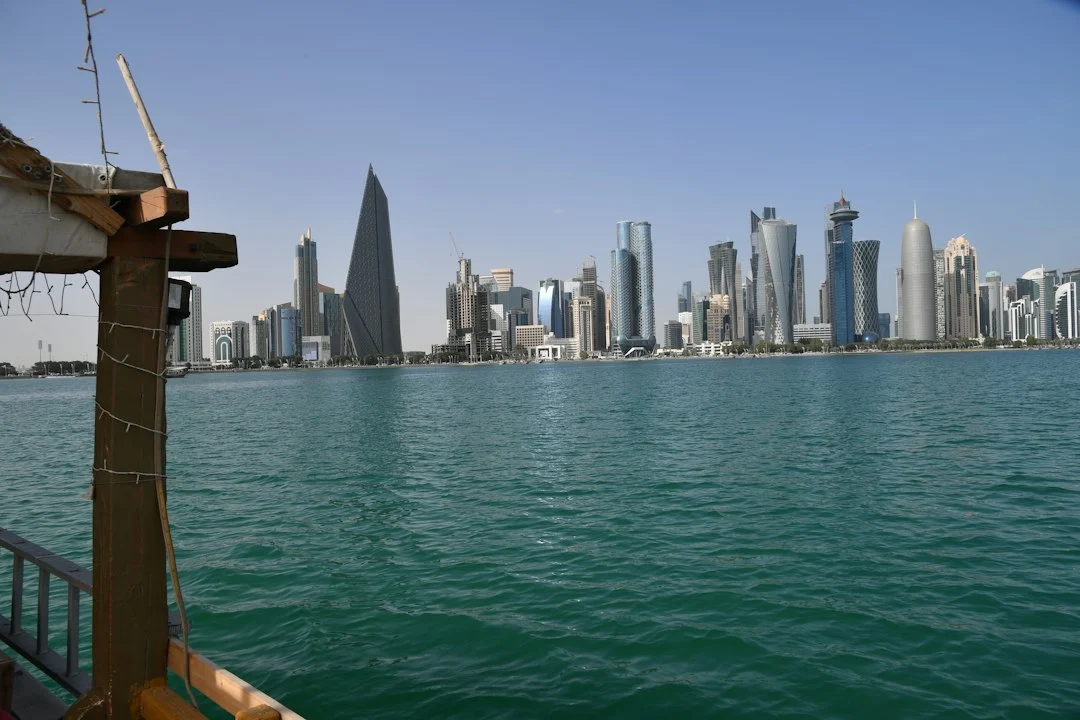
Tensions in the Persian Gulf keep supply chain managers awake at night. When naval standoffs escalate, shipping companies scramble to adjust their routes. Insurance premiums spike overnight. You need to know what drives these operational hazards if you move goods through the region.
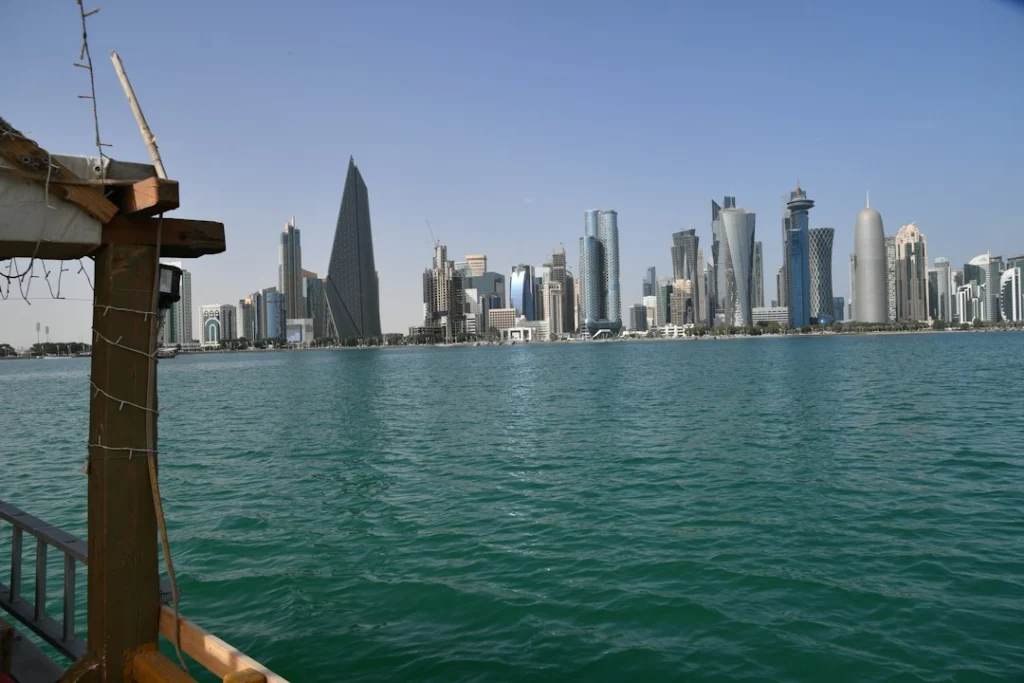
Understanding US Iran War Risk in Global Shipping
Maritime commerce relies on predictable paths. The Strait of Hormuz handles a huge share of the world’s petroleum supply. Commercial vessels transit this narrow channel daily. A blockade or military confrontation disrupts global energy markets instantly. Cargo owners bear the brunt of these delays.
Military maneuvers create invisible hazards for civilian crews. Transponders get jammed. GPS signals face frequent spoofing attacks near disputed waters. Captains have to navigate blind spots without reliable electronic positioning.
Insurance Rates and Hull Protection
Underwriters adjust their pricing based on real-time threat assessments. Lloyd’s of London lists high-risk areas regularly. War risk premiums add thousands of dollars to single voyages. Smaller operators struggle to absorb these extra costs. Some carriers simply refuse Middle Eastern routes altogether.
Contracts usually include specific clauses for conflict zones. Force majeure declarations free parties from fulfillment duties. Shippers must review these legal terms carefully before dispatching cargo.
Alternative Corridors and Overland Alternatives
Logistics firms look for workarounds when maritime choke points close. Overland trucking through neighboring countries offers an alternative. Rail links connect certain ports to inland hubs. These land routes carry lower capacity than container ships. They also face bureaucratic border bottlenecks.
Air freight provides speed but demands premium budgets. Heavy machinery cannot fly economically. Exporters prioritize maritime transport despite the rising dangers because volume dictates profitability.
Intelligence Sharing and Corporate Preparedness
Multinational corporations maintain private security liaison desks. They monitor naval broadcasts and satellite data feeds around the clock. Captains receive direct routing advice from maritime trade organizations. Early warnings prevent costly vessel detentions.
Contingency planning separates resilient firms from vulnerable ones. Port calls get canceled at the first sign of hostile posturing. Crew safety remains the absolute priority for every responsible fleet manager.
For more information, visit our website.
Related reading
Update: How US Tariff Policy Shapes British Exporters and Transatlantic Trade
Update: US Military Bases and Supply Routes in the Middle East: 5 Things to Know