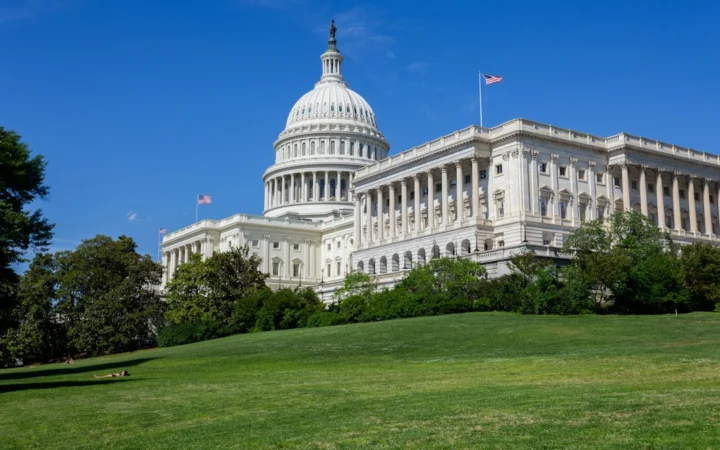
How US Tariff Policy Impacts British Exporters
Washington’s approach to global commerce shifts fast, and US tariff policy sits right at the center of transatlantic trade friction. When the White House adjusts duties on imported steel, aluminium, or manufactured goods, British exporters feel the impact almost immediately. Supply chains stretch, margins shrink, and companies on both sides of the Atlantic scramble to adapt. Understanding these shifting trade rules isn’t just for politicians in Westminster or Washington. It matters directly to British business owners trying to price their goods competitively in American markets.

Why Transatlantic Trade Rules Matter for the UK
The special relationship doesn’t shield British firms from broad protective measures. Whenever the US Department of Commerce or the Office of the United States Trade Representative announces new import restrictions, UK manufacturers face difficult choices. They can absorb the extra cost, pass it on to American buyers, or look for alternative markets elsewhere. Most businesses find themselves caught in the middle. Dealing with regulatory hurdles requires careful planning, much like navigating US business licensing requirements for foreign entrepreneurs when setting up operations across the pond.
Navigating Supply Chain Pressures
Tariffs rarely affect just one company. They ripple through entire supply chains, raising the price of raw materials and finished products alike. British freight forwarders and logistics firms constantly monitor these federal decisions to anticipate shipping delays and cost spikes. If you export goods to the US, keeping a close eye on congressional updates and executive actions is essential. Unpredictable trade barriers make long-term financial forecasting notoriously difficult. Business owners often need to re-evaluate their pricing structures far more frequently than they used to.
What Comes Next for Exporters?
Trade negotiations take time, and sudden policy shifts remain a constant risk. While UK officials continually press for exemptions and free trade agreements, progress is rarely straightforward. Staying informed about legislative changes helps businesses protect their bottom line. Preparation is your best defence against sudden market shifts.
For more information, visit our website.
Related reading
Update: US Storm Updates
Update: Decoding US Immigration Policy: Separating Border Enforcement Myths From Practical Realities