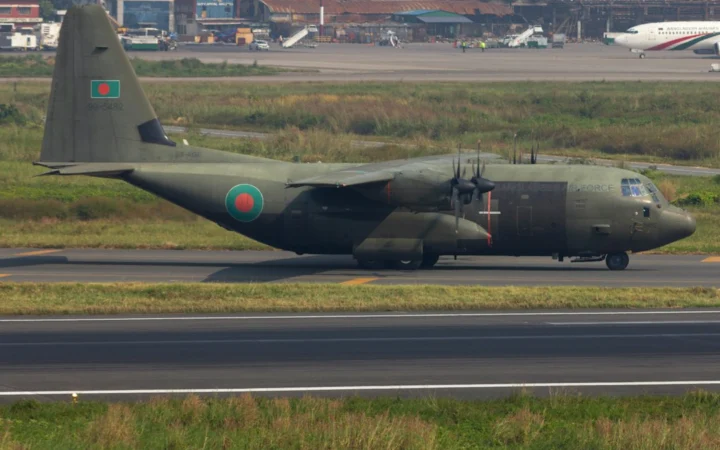
When conflict breaks out, moving freight turns into a high-stakes puzzle. Supply chains connecting the UK to the Middle East face severe disruptions during any escalation involving Washington and Tehran. Planners are forced to choose between flying cargo via open air corridors or chugging across the water through heavily contested zones. Every path carries massive costs, distinct risks, and stark operational realities.
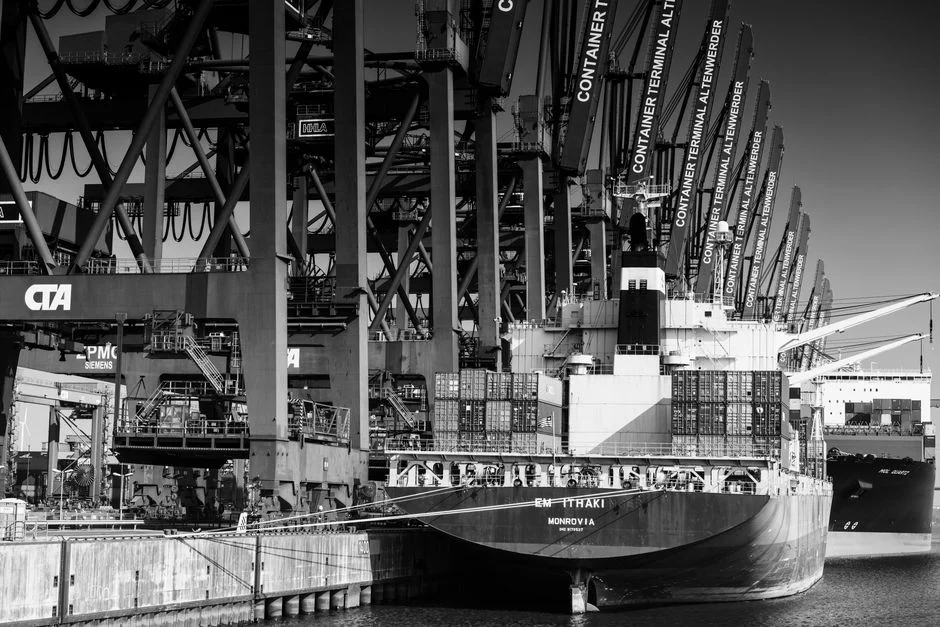
The Realities of Maritime Shipping
Container ships still carry the bulk of global trade. They move massive volumes at a fraction of the cost of aviation. Yet, the Persian Gulf and surrounding choke points transform into genuinely dangerous waters during active hostilities. Shippers deal with soaring insurance premiums, rerouted vessels, and very real seizure threats.
Avoiding the Gulf means sailing around the African cape instead of using the Suez Canal. That detour easily adds weeks to transit times. It burns through heavy fuel reserves and ties up capital on the water. For businesses relying on timely component deliveries, those delays completely wreck inventory schedules. US Iran tensions and UK maritime trade show just how fast marine pathways deteriorate when naval standoffs intensify.
Air Supply Advantages and Pain Points
Airfreight bypasses maritime blockades entirely. Cargo planes lift off from UK runways and touch down in Middle Eastern hubs within hours. Speed remains the ultimate selling point for aviation.
Aircraft simply cannot match the sheer cargo capacity of a massive container vessel. A Boeing 747 freighter handles a tiny fraction of what a modern cargo ship carries. Fuel expenses fluctuate wildly during wartime, driving up air cargo spot rates. Airfields near active combat zones also face sudden temporary closures, missile threats, or congested airspace. Shippers end up paying top dollar for very limited cargo space.
Cost and Risk Comparison
Budgeting for US Iran war logistics demands a hard look at balance sheets. Ocean freight looks cheap on paper until you factor in multi-week delays and exorbitant war risk surcharges. Air transport demands heavy upfront capital. Still, it makes total sense for high-value electronics, medical supplies, or urgent manufacturing parts.
Risk profiles differ sharply too. Ships remain slow moving targets in narrow straits. Airplanes move fast at high altitudes, though they require secure landing infrastructure. Neither option guarantees zero interruption. Supply chain managers must weigh predictable financial hits against catastrophic delivery failures.
Making the Right Choice
Smart operators don’t rely on just one mode. They split shipments based entirely on urgency. Move raw materials and bulk goods via slower, rerouted marine routes, and reserve air supply for critical components that keep production lines running. Prioritizing flexibility beats locking into a single logistics channel while regional stability hangs by a thread.
For more information, visit our website.
Related reading
- US Immigration Policy Updates: Asylum Caps vs. Processing Backlogs
- US Visa Bulletin Explained: Priority Dates and Filing Statuses
Update: Federal Reserve Interest Rates: What the Latest US Central Bank Decisions Mean for Borrowers
Update: US Iran War Oil Prices: What British Motorists Need to Know Now