How the US Iran Conflict Energy Impact Reaches British Fuel Pumps
Middle Eastern geopolitics rarely stay put. When Washington and Tehran lock horns, global commodities feel it almost immediately. If you live in the UK, you’ve probably noticed how the US Iran conflict energy impact hits close to home—showing up right on your monthly utility bills and at local petrol stations. Traders freak out. Oil futures jump. Supply chains start reacting before tankers even have time to change direction.
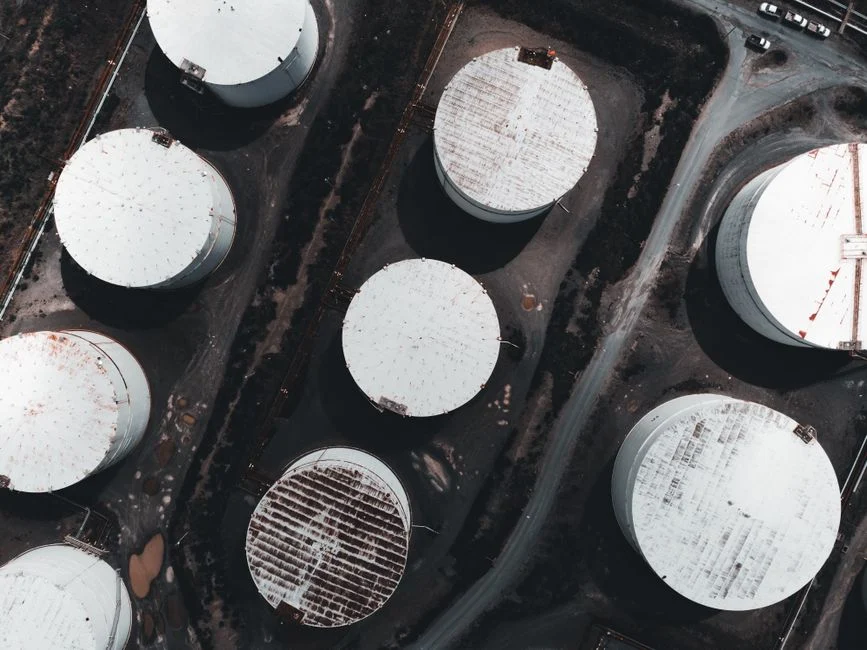
Crude oil runs on global benchmarks like Brent. Any trouble in the Persian Gulf flips that math upside down overnight. When tankers deal with security threats near crucial shipping lanes, insurance costs go through the roof. Refineries just pass those expenses right along. British drivers and factory bosses end up footing the bill in pounds and pence.
Why Does the Strait of Hormuz Matter So Much to UK Consumers?
It all comes down to simple geography. A huge chunk of the planet’s petroleum and liquefied natural gas funnels through this narrow maritime corridor daily. If a military flare-up shuts down that bottleneck, global supplies plunge. Demand doesn’t follow suit.
That’s when basic economics kicks in. Prices shoot up. Sure, the UK gets plenty of oil and gas from Norway and the North Sea, but our domestic market is tied directly to European and global wholesale pricing. When international gas rates spike because of Middle Eastern chaos, British suppliers have to pay top dollar to secure fuel. Those wholesale hikes land straight on household energy bills.
Are British Exporters Feeling the Pinch Yet?
Manufacturers get hit with instant cost spikes the second shipping expenses rise. Cargo ships rerouting to steer clear of danger zones add days to their voyages. More days on the water equals burned fuel and higher payrolls for crews. Naturally, logistics companies raise their rates for container freight.
UK companies selling products overseas find their profit margins squeezed hard. Run a small export shop, and every jump in diesel prices directly inflates your transport overhead. Businesses can’t always pass those extra costs onto customers without risking sales to competitors.
What Steps Are Energy Regulators Taking in London?
Ofgem keeps a close eye on wholesale market swings to shield domestic consumers from sudden price gouging. Even so, regulators can only do so much when global exchanges dictate the actual underlying costs. Price caps shift based on past market averages. They soften the hardest blows, but they can’t totally protect families from long-lasting geopolitical crises.
Energy companies buy contracts way in advance to smooth out market bumps. Once those tensions drag on for weeks or months, those hedging buffers dry up completely. New contracts start reflecting the expensive reality of a volatile Middle East.
How Long Will These Market Disruptions Last?
Uncertainty is basically the only guarantee here. Markets despise unpredictable military moves. As long as diplomacy is stalled and naval patrols are dealing with active threats, oil and gas prices are going to stay jumpy. A quick de-escalation could ease things just as fast. Until that happens, British households and businesses just need to budget for higher running costs and watch the news closely.
For more information, visit our website.
Related reading
- US Congressional Budget Battles: Watching Appropriations From Across the Atlantic
- US Immigration Filing Fees: A Practical Comparison of USCIS Directives