Following US Federal Spending From the UK
Watching Washington from Britain often feels like trying to track a football match in a heavy fog. Congressional budget battles routinely dominate headlines with looming shutdown deadlines and late-night votes. For British observers, these legislative standoffs are more than just political theatre. They directly impact transatlantic trade, defence spending, and international markets. When the US government runs into funding snags, the financial ripple effects hit London almost instantly. Understanding how Capitol Hill handles its finances helps you make sense of broader economic shifts.
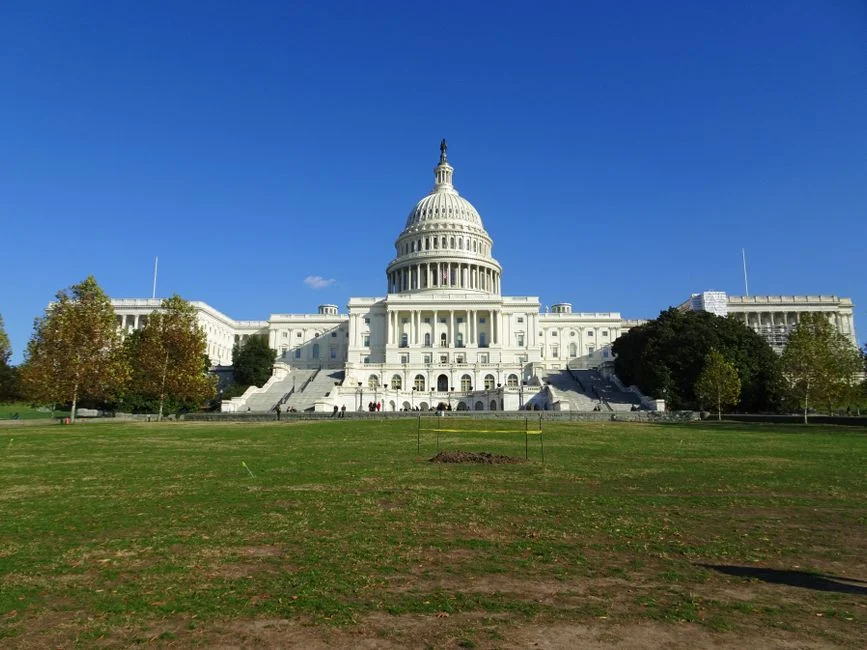
The mechanics of American federal funding are notoriously messy. Unlike the UK system, where a majority government usually pushes through its budget with minimal fuss, the American process involves separate chambers, veto threats, and endless amendments. When lawmakers fail to pass annual appropriations bills, the threat of a government shutdown emerges. Agencies prepare contingency plans, federal workers face unpaid leave, and global investors start hedging their bets. It’s a chaotic routine that repeats itself every single year.
How Continuing Resolutions Drive the Process
Most fiscal years don’t start with neatly agreed-upon budgets. Instead, Congress relies on short-term patches known as continuing resolutions. These stopgap measures keep federal agencies running at current funding levels for a few weeks or months. They buy time for exhausted negotiators to thrash out bigger deals. But they also kick the can down the road, ensuring that congressional budget battles remain a permanent fixture of the news cycle. Markets hate uncertainty, and these recurring delays create plenty of it.
Finding reliable information on these votes can be tricky from overseas. You won’t find the inner workings on standard news broadcasts. If you want to dig into the actual mechanics of how bills move through committees, our guide on how to track US congressional votes from the UK offers a practical roadmap for following the legislative text directly.
The Global Economic Fallout
Why should a business owner or investor in Manchester or London care about a spending impasse in Washington? Because the US dollar anchors global trade. When federal debt limits or spending caps become weaponised in partisan fights, international credit rating agencies take notice. A downgrade in US sovereign debt shakes investor confidence across Europe. Treasury yields fluctuate, borrowing costs shift, and British exporters feel the pinch when currency values swing wildly in response to political posturing.
Defense spending is another major pressure point. The Pentagon’s budget relies on these same appropriations bills. Delays in funding can stall military contracts, affect joint operations, and impact strategic planning across NATO allies. British defense contractors watching these developments often see their own project timelines affected by American legislative gridlock.
What to Watch Next
Don’t get bogged down by every single rumor coming out of Capitol Hill. Focus on the hard deadlines set by congressional leaders. Pay attention to whether both parties agree on a clean continuing resolution or try to attach controversial policy riders. Those riders usually sink the deals and push the government closer to a funding lapse. Keep an eye on statement releases from the White House Office of Management and Budget for official updates on contingency timelines.
Navigating these complex political cycles requires patience and a good eye for primary sources. As the next fiscal cliff approaches, expect the usual round of dramatic speeches and eleventh-hour compromises. By ignoring the noise and watching the core funding votes, you’ll stay well-informed without getting lost in the Washington spectacle.
For more information, visit our website.
Related reading
- US Immigration Filing Fees: A Practical Comparison of USCIS Directives
- US Iran Conflict Impact on UK Energy Markets