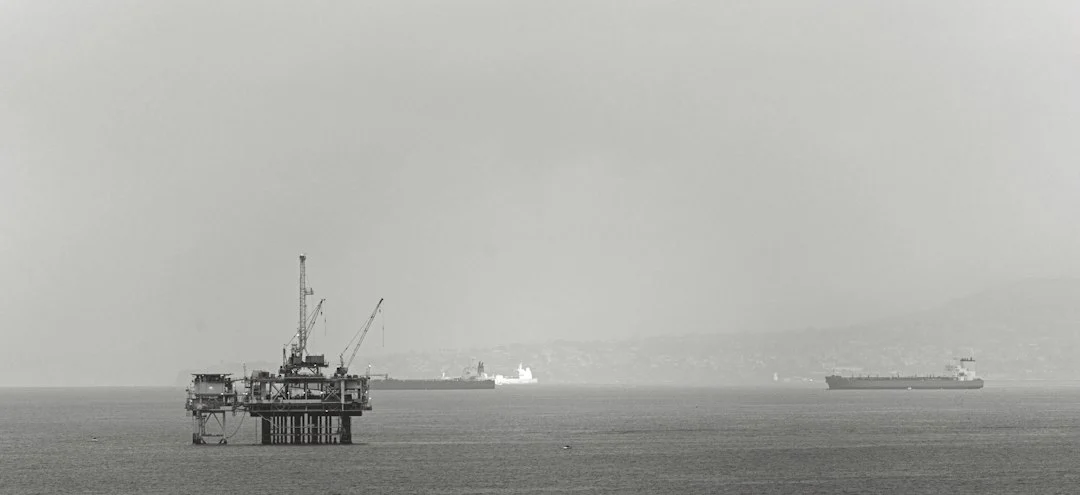
Rising tensions in the US Iran conflict send immediate shockwaves straight through British energy grids. When the Pentagon shifts carrier strike groups or officials in Washington announce new sanctions, wholesale gas prices spike in London before the morning commute even starts. Most households don’t watch military movements until their direct debit utility payments jump.
Why Does the US Iran Conflict Affect UK Gas and Oil Prices?
Britain imports a fraction of its direct oil and gas from the Persian Gulf. Global commodities markets trade on unified pricing. If tankers stall near regional shipping lanes, every barrel worldwide costs more. Refineries pass those extra expenses directly to commercial buyers and retail suppliers.
Energy firms hedge their purchases months in advance. Sudden military escalations trigger instant panic buying among traders. That volatility hits retail price caps regulated by Ofcom’s energy counterpart, Ofgem, pushing quarterly bills higher for millions of families.
What Happens to British Shipping and Maritime Insurance?
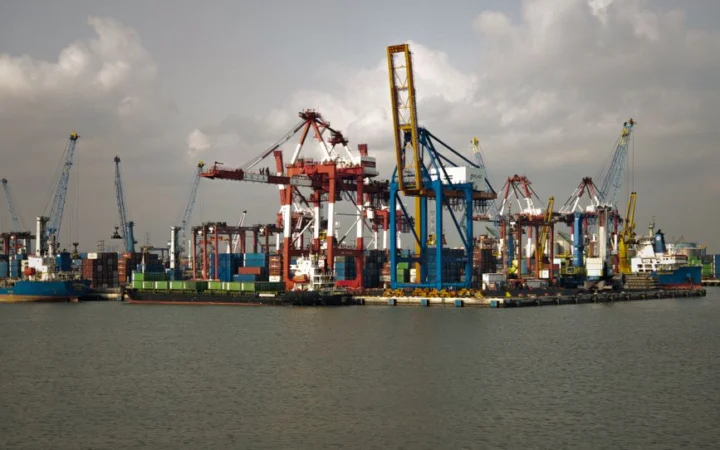
Vessels carrying goods between European ports and Asian markets rely on predictable routes. When the region faces active naval clashes, insurance underwriters slap massive risk premiums on any ship entering contested waters. Shippers reroute vessels around the Cape of Good Hope, adding weeks of transit time and burning extra diesel.
British exporters watching cargo delays know these disruptions multiply fast. Retailers face higher inventory costs long before stock reaches British shelves. For a deeper look at related supply chain snarls, check our guide on Strait of Hormuz oil disruptions.
Will UK Petrol Stations See Immediate Price Jikes at the Pump?
Yes. Crude oil moves from tanker to refinery to forecourt within weeks. Supermarket fuel stations adjust prices almost daily based on Brent Crude benchmarks. When geopolitical flare-ups push crude past key thresholds, drivers see those numbers at local pumps almost instantly.
Chancellor of the Exchequer budgets and fuel duty freezes offer only marginal relief against sustained global crude spikes. Haulage companies bear the brunt first, absorbing higher diesel costs or passing them down to consumer goods.
How Do UK Businesses Prepare for Escalating US Iran Tensions?
Smart operators lock in fixed-rate energy contracts when markets stabilize. Waiting out a crisis rarely works when supply lines face prolonged blockades. Diversifying supplier networks away from vulnerable trade corridors remains the most reliable defense.
For more information, visit our website.
Related reading
- US Congressional Budget Battles: What British Observers Need to Watch This Session
- How to Track USA Election Results From the UK