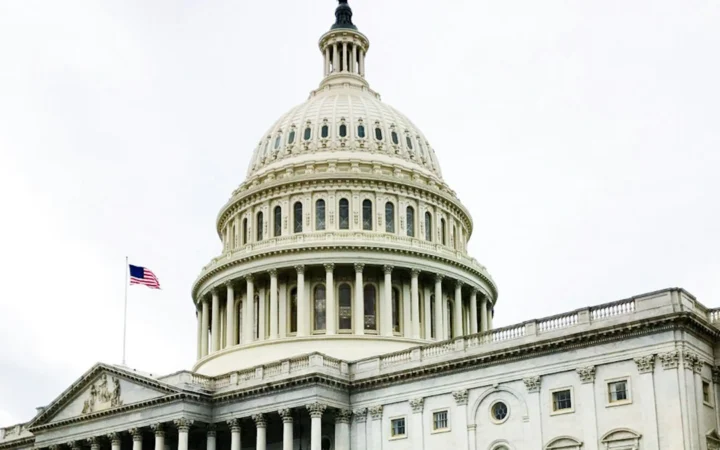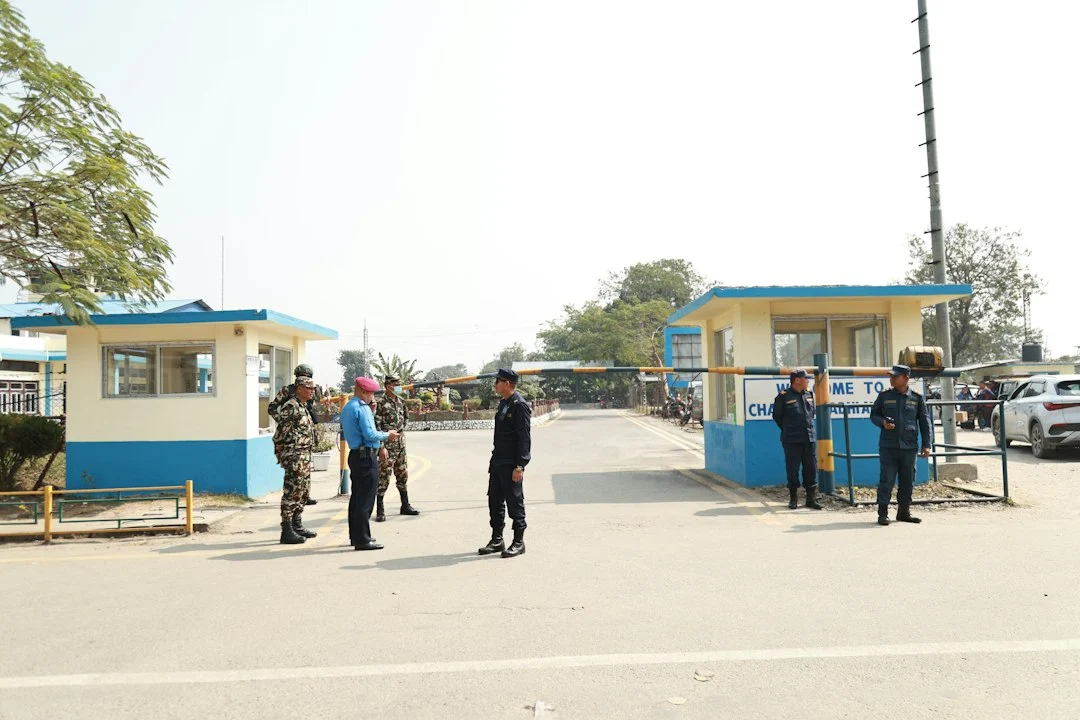
Federal agencies are rolling out new enforcement measures that directly affect how border protocols and visa screenings operate across the United States. These shifts in US immigration policy arrive as congressional leaders debate funding allocations for border security and interior enforcement. Department of Homeland Security officials confirmed that extra personnel are heading to key southern border sectors to manage processing backlogs. At the same time, administrative backlogs at consular offices abroad continue to frustrate applicants waiting for interview slots.
Decoding Recent Enforcement Changes
It helps to separate political rhetoric from operational reality when looking at US immigration policy right now. Much of the recent public debate centers on proposed legislative overhauls, but the actual day-to-day changes are happening through administrative directives. Customs and Border Protection officers are utilizing updated digital screening tools at land ports of entry. These tech upgrades aim to speed up identity verification, yet they also mean stricter checks on cargo and commercial traffic.
Critics argue these protocols create unnecessary delays for legitimate travelers and business visitors. Supporters maintain that robust vetting remains essential for national security. Meanwhile, federal courts continue to weigh challenges against various executive branch rules issued over the past year. These legal battles mean enforcement priorities can shift abruptly depending on which federal district judge issues an injunction.
What Visa Applicants and Employers Need to Know
Navigating the current system requires patience because processing times remain unpredictable. If you are sponsoring foreign talent or applying for permanent residency, expect thorough documentation requests. USCIS field offices are scrutinizing employment-based petitions much more closely than they did a few years ago. Minor clerical errors can trigger requests for evidence that add months to a case timeline.
Employers should audit their compliance records immediately. Federal investigators have stepped up worksite inspections to check Form I-9 compliance. Penalties for hiring unauthorized workers have increased under recent federal adjustments. Staying compliant means keeping meticulous paper trails for every foreign national on your payroll.
State-level legislation also plays a growing role in how these federal rules play out locally. Several states have enacted measures requiring local law enforcement to cooperate more closely with federal immigration authorities. Other states have gone in the opposite direction, passing sanctuary protections that limit local police involvement in federal detainer requests. This patchwork of state laws creates confusion for business owners operating across multiple jurisdictions.
Looking Ahead at Upcoming Legislative Battles
Congress faces looming deadlines to fund the federal government, and border security funding remains a major sticking point in budget negotiations. Lawmakers in both parties are drafting competing proposals. Republicans are pushing for mandatory detention quotas and stricter asylum standards, while Democrats favor expanded funding for immigration judges and processing infrastructure.
These legislative fights rarely result in comprehensive reform. Instead, expect short-term stopgap funding bills and targeted policy riders attached to larger spending packages. Keeping track of these evolving rules means watching both congressional committee hearings and federal register notices closely.
For more information, visit our website.
Learn more on Wikipedia: Us immigration policy.
Related reading
Update: Latest World News Affecting USA
Update: US Sanctions Enforcement on Iranian Oil: What British Maritime Insurers Must Know