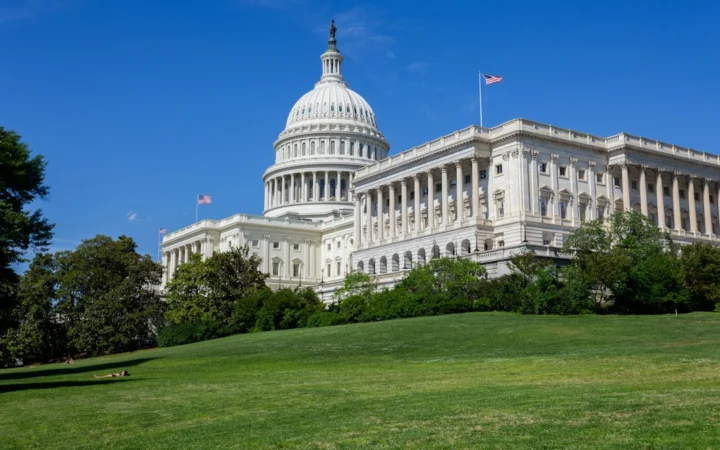
The Endless Cycle of Washington Budget Battles
Capitol Hill is stumbling toward another fiscal cliff. Lawmakers in Washington face yet another hard deadline to keep federal agencies funded. If they fail, a government shutdown happens. Essential workers go without pay, national parks close their gates, and federal contractors scramble. It’s an exhausting script that repeats almost every year.
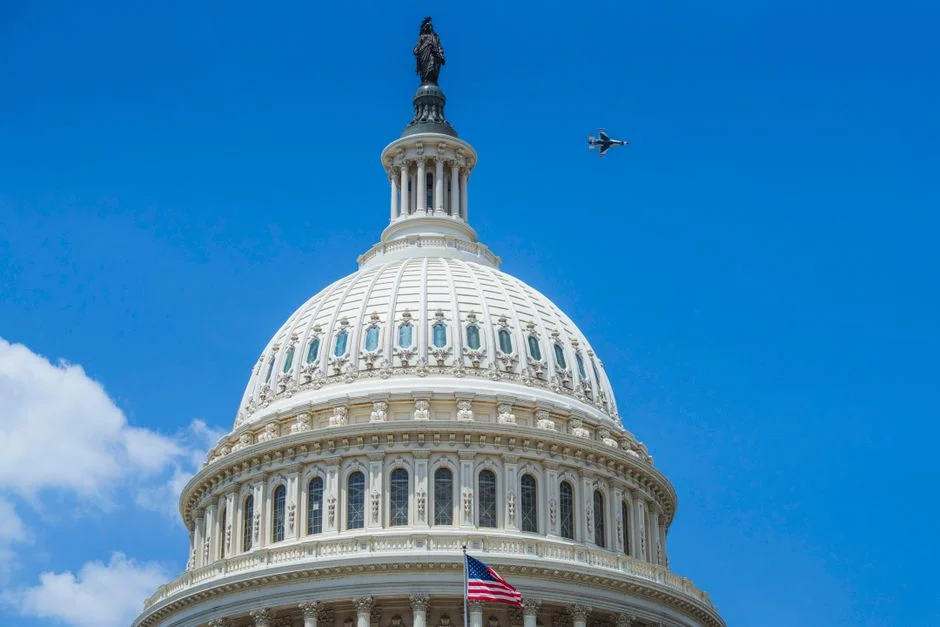
Why does Congress constantly drag funding bills to the final hour? The core problem isn’t just about money. It’s about policy riders, deep partisan divides, and leverage. One party wants deep spending cuts. The other wants to protect social programs. Neither side has the votes to pass a clean, long-term budget on their own terms. That leaves continuing resolutions as the only messy escape hatch.
What Actually Happens During a Federal Funding Lapse
People often picture total chaos when a government shutdown hits. The reality is more bureaucratic and piecemeal. Essential personnel keep working. Transportation Security Administration agents at airports and active-duty military service members stay on duty. They just don’t get paid until Congress finally passes a deal.
Non-essential federal agencies slam the brakes. Employees receive furlough notices and stay home. National parks and federal museums shutter their doors because ticket and maintenance staff aren’t there to manage them. Economic data releases from departments like Labor and Commerce get delayed, leaving Wall Street and the Federal Reserve flying blind without fresh inflation or jobs reports.
The Real Battlegrounds Behind Closed Doors
The argument on Capitol Hill rarely centers on how much it costs to keep the lights on in federal offices. Instead, lawmakers attach controversial policy changes to must-pass spending packages. Border security measures, foreign aid provisions, and environmental regulations become explosive bargaining chips.
If you want to track how these legislative showdowns develop in real time, you can follow how to track US federal budget votes in Congress to see which amendments are stalling the process. The House and Senate almost always start far apart. The House prefers deeply conservative policy riders that trigger instant pushback from the Senate and the White House. Compromise only arrives when the pressure from a pending government shutdown becomes politically toxic for both sides.
How Past Impasses Finally Resolved
History shows that these standoffs almost never end in permanent fiscal reform. They end in temporary patches. Lawmakers pass a short-term stopgap measure—known as a continuing resolution—to buy another few weeks or months of time. These temporary fixes kick the can down the road, ensuring the threat of a government shutdown simply returns a few months later.
Debt ceiling debates often get tangled up in these same budget fights, adding even more volatility to financial markets. When investors get jittery about US sovereign debt and spending gridlock, it ripples across global markets, affecting everything from Treasury yields to energy prices. For a broader look at how fiscal policy shifts influence commodities, check out US oil prices latest news to see how macroeconomic uncertainty plays out globally.
Looking Ahead at the Next Funding Deadline
No one wins long-term political points from a prolonged funding freeze. Public frustration usually lands squarely on the party in power. Because of that reality, leadership in both chambers typically pulls a compromise together at the final second. Until structural budget reform happens, expect this exact same drama to repeat every single autumn.
For more information, visit our website.
Learn more on Wikipedia: Government shutdown.
Related reading
- US Air Defense Systems in the Middle East: Myths, Realities, and Regional Impact
- US Federal Agency Remote Work Policies: The Battle Over Washington’s Empty Offices
Update: UK Royal Navy Operations and Persian Gulf Shipping Security
Update: How to Track US Presidential Election Polls from the UK