Grey hulls cut through the humid waters of the Strait of Hormuz before dawn. Royal Navy warships maintain a constant, watchful presence in these vital shipping lanes. British commanders coordinate closely with international partners to keep trade moving. Every day, millions of barrels of oil and billions in cargo pass through this narrow waterway. For Britain, keeping these routes open remains an absolute economic necessity.
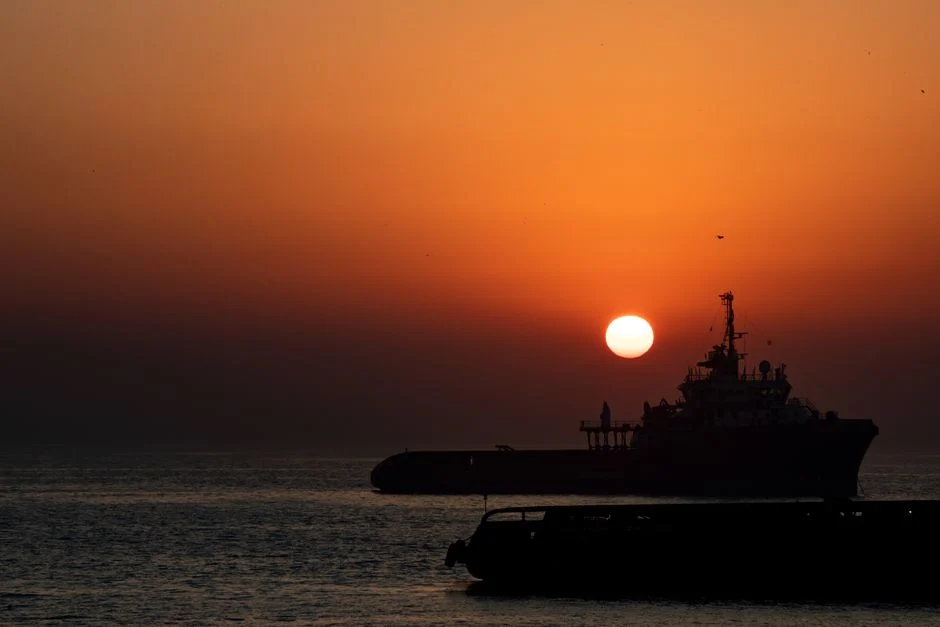
Tensions across the Middle East place immense pressure on commercial mariners. Iranian forces operate nearby patrol boats and coastal missile batteries. Intelligence agencies track every movement closely. When security alerts spike, insurance premiums jump overnight. Shipowners in London feel the financial pinch immediately. Vessels altering their courses face delayed arrivals at European ports.
The Realities of Protecting Persian Gulf Shipping
Operation Kipion forms the backbone of the UK’s permanent joint maritime force in the region. Based out of Bahrain, British personnel manage frigates, minehunters, and support ships. These crews spend months away from home in punishing heat. Equipment failures happen frequently under extreme temperatures. Engineers work around the clock to keep radar and sonar systems operational.
Destroyers equipped with sophisticated air defense systems anchor the fleet. A Type 45 destroyer tracks dozens of airborne targets simultaneously. That capability matters when drones buzz commercial traffic. Crew members stand watch in combat information centers for hours on end. Fatigue is a constant enemy. Boredom alternates with sudden, heart-stopping moments of high alert.
Escorting British-flagged tankers requires meticulous timing. Warships match speeds with heavy, sluggish merchant vessels. They position themselves between potential threat vectors and vulnerable hulls. Communication happens via encrypted radio channels. Merchant captains rely entirely on naval guidance when entering high-risk sectors.
Destroyer Patrols and Escort Logistics
Coordinating an escort mission takes days of planning. Royal Navy staff officers analyse intelligence reports from various allied listening posts. They map out safe transit corridors away from disputed territorial waters. If a tanker suffers a mechanical breakdown inside a danger zone, the rescue operation becomes exponentially more complex. Tugs and auxiliary vessels must deploy under armed protection.
Fuel logistics present another quiet hurdle. Regional port access depends heavily on delicate diplomatic ties. Support ships ferry fresh water, provisions, and spare parts to deployed frigates. Without these supply chains, warships would have to steam back to home ports weeks ahead of schedule. Maintaining a persistent footprint in the Gulf demands relentless logistical backing.
Commercial Risks Facing British Flagged Vessels
The business side of maritime trade looks increasingly grim during geopolitical crises. Marine insurers categorise the entire region as an enhanced risk zone. Premiums skyrocket for any vessel sailing near Iranian shores. Independent ship operators sometimes choose to bypass the Gulf entirely. They absorb longer transit times rather than risk catastrophic asset loss.
Cargo owners bear the brunt of these rising costs. Higher shipping overhead translates directly to inflated prices on British supermarket shelves and petrol stations. Supply chains shudder when a single tanker gets detained or harassed. If you want to understand how regional conflicts hit the UK economy, look no further than these maritime freight charges. For deeper context on broader disruptions, review our guide on how to monitor Middle East supply chain disruptions from the UK.
Crew welfare also weighs heavily on corporate leadership. Sailors grow anxious about entering contested waters. Maritime unions demand hazard pay and tighter safety guarantees. Some mariners refuse contracts that require sailing through the Gulf. Companies struggle to recruit experienced deckhands for Middle Eastern routes.
Coordination With International Allies
Britain rarely operates alone in these waters. The United States Fifth Fleet shares vast amounts of radar data and surveillance feeds. French and Italian warships patrol adjacent sectors. Joint exercises happen regularly to test communication protocols. Cultural differences and competing national priorities sometimes complicate joint command structures. Still, operational necessity forces cooperation.
Information sharing prevents misunderstandings. A stray fishing boat or an unlit dhow can easily trigger a false alarm. Liaison officers sit in coalition headquarters to clear up ambiguities instantly. When an incident occurs, allied capitals issue coordinated diplomatic statements within hours. Unity of message acts as a minor deterrent against further escalation.
Back in London, the Ministry of Defence reviews threat levels daily. Ministers weigh the risk of direct confrontation against the vital need to protect free navigation. Decisions made in Whitehall ripple across global commodity markets immediately. As long as regional flashpoints remain active, Royal Navy sailors will continue their lonely patrols in the Gulf.
For more information, visit our website.
Related reading
- US Iran War Logistics Failures
- US Government Shutdown Risks: What Congress is Actually Fighting Over
Update: US Tariff Policy Options
Update: How US Iran Sanctions Impact UK Trade Routes and Corporate Compliance