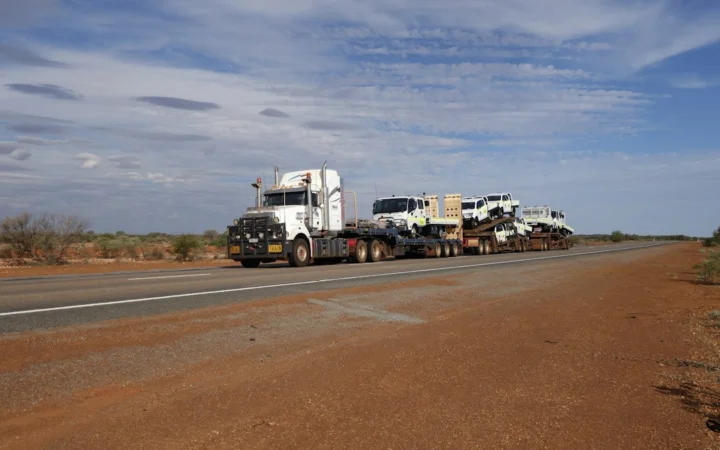
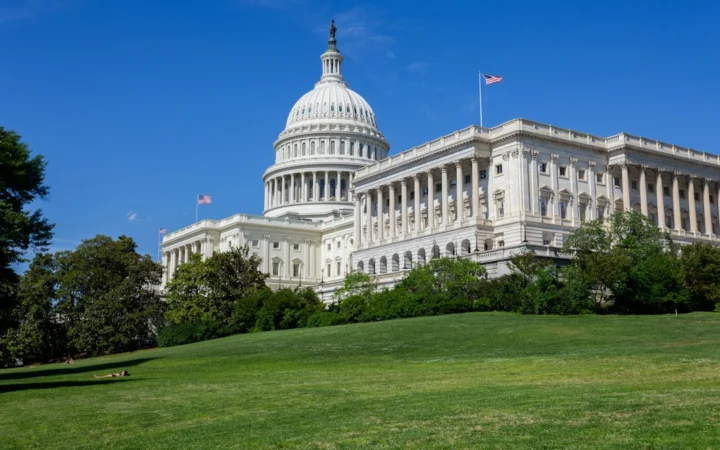
Power grids across America sit at a massive crossroads right now. Every day, fresh updates on Congressional budget debates and regulatory changes shift the ground under utility companies. You hear constant noise about grid reliability, skyrocketing bills, and climate targets. But what’s the actual reality behind the headlines? Let’s break down the two main paths shaping power generation today.

The Case for Expanding Traditional Oil and Gas
Traditional fossil fuels still form the backbone of the American economy. Coal, natural gas, and petroleum keep factories running and homes warm through freezing winter storms. Supporters of this approach point straight to energy independence. Pumping domestic oil shields the country from foreign supply shocks.
Natural gas acts as a reliable bridge fuel. It burns cleaner than coal and fires up fast when electricity demand spikes. Gas plants step in when the sun goes down or the wind simply stops blowing. That dependability matters enormously to grid operators. Blackouts cost billions, and nobody wants to gamble with hospital power or assembly lines.
Yet, relying heavily on fossil fuels carries steep downsides. Infrastructure ages out. Pipelines leak. Carbon emissions trap heat in the atmosphere, and communities near drilling sites often face water quality worries and local pollution. Plus, commodity prices swing wildly based on global conflicts. You just can’t control international oil markets easily.
The Momentum Behind Renewable Power and Storage
Clean energy advocates want a total overhaul. Solar farms and wind turbines pop up across Texas, California, and the Midwest at a staggering pace. Building out renewables creates thousands of local construction and maintenance jobs. Once installed, sunshine and wind cost nothing.
Battery storage technology has finally matured. Lithium-ion arrays and newer iron-air batteries soak up excess daytime power and release it after dark. This solves the intermittency problem that plagued early wind and solar projects. Electric vehicles add another layer of demand, charging up overnight and soaking up cheap wind power.
Critics of the green transition point to high upfront costs and supply chain bottlenecks. Mining lithium, cobalt, and copper requires heavy industrial work. Permitting reform moves at a snail’s pace, meaning a wind farm can sit in legal limbo for a decade before a single foot of concrete gets poured.
Which Energy Strategy Wins Out?
Comparing these two approaches reveals a simple truth. America cannot flip a switch and run entirely on wind and solar tomorrow. The grid would collapse under peak summer demand. At the same time, ignoring clean tech guarantees higher long-term costs and missed climate goals.
The smartest play isn’t picking a single winner. Real progress happens in the messy middle. Utilities keep natural gas plants online for baseline security while pouring billions into solar arrays and grid-scale batteries. That blended model offers the best defense against rolling blackouts and runaway utility bills.
Keep an eye on state-level mandates and federal tax credits. Those rules dictate where private capital flows next. The transition moves slower than activists want, but faster than traditionalists prefer.
For more information, visit our website.
Related reading
- Middle East Airspace Closures: Rerouting UK Flights Past Iran
- US Immigration Policy Changes: What to Watch on the Ground
Update: Diplomatic Back-Channels vs Public Deterrence: Weighing Western Strategy on Iran
Update: US Congressional Budget Debates: What to Watch on Capitol Hill