
Comparing British Energy Resilience Options
Global energy markets face severe pressure whenever conflict flares in the Middle East. For British households and businesses, that vulnerability shows up directly on monthly utility bills. Keeping the lights on and homes heated requires a reliable supply of natural gas. But Britain faces a stark choice in how it secures that supply. Policymakers and energy experts continually debate whether to invest heavily in liquefied natural gas terminals or rebuild depleted domestic storage reserves.
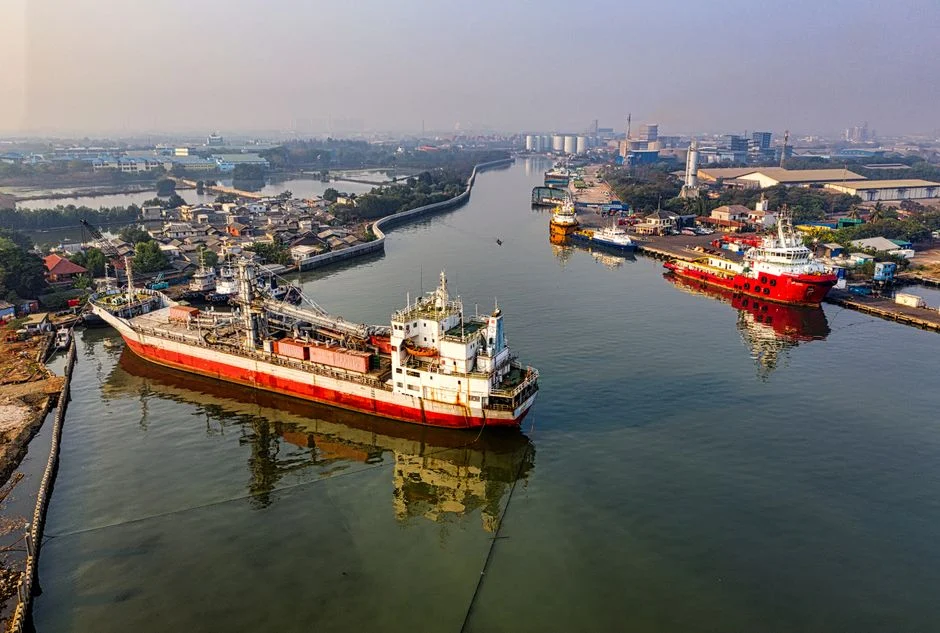
Both approaches aim to protect the country from sudden supply shocks, though they operate in entirely different ways. Looking closely at their strengths reveals a lot about where British infrastructure is heading.
The Case for Liquefied Natural Gas Terminals
Britain has built significant maritime infrastructure over the last two decades. Huge tankers dock at sites like Milford Haven in Wales and the Isle of Grain in Kent, offloading super-cooled gas brought from Qatar, the United States, and other global producers. This setup gives the UK direct access to the wider world market.
When domestic production drops, tankers can pivot quickly and bring fresh supplies within days. This flexibility helps the UK navigate shifting geopolitical tides. If pipelines from Norway face maintenance issues or Middle East shipping lanes experience disruptions, global cargo ships simply alter their routes toward British ports. That agility forms a cornerstone of modern UK energy resilience strategies.
Yet, this global reliance comes with clear drawbacks. British energy security depends heavily on international shipping routes remaining open. Any major bottleneck in key maritime chokepoints instantly drives up spot prices, forcing British energy firms to compete with Asian and European buyers for every single cargo when global demand spikes.
Rebuilding Domestic Storage Reserves
Storage tells a completely different story. Historically, Britain relied on underground geological sites like the Rough field off the Yorkshire coast. These caverns held vast amounts of gas close to home, acting as a massive buffer during cold winter snaps or sudden supply shortages.
Most of those old storage facilities closed down because operators found them unprofitable to maintain, a decision critics argue stripped the country of its ultimate insurance policy. Reopening or expanding onshore and offshore storage gives Britain a buffer that doesn’t rely on ships crossing dangerous waters. You pump gas in during cheap summer months and draw it out when winter demand peaks or international crises hit.
Of course, building new storage takes years and immense capital, leaving investors hesitant without heavy government guarantees. Domestic storage also only buys time rather than creating new gas; once the caverns empty out, the country still needs fresh imports to refill them.
Which Strategy Wins?
Looking at the trade-offs, neither option offers a complete silver bullet. Relying entirely on LNG terminals leaves Britain vulnerable to global price spikes and shipping disruptions, while relying solely on domestic storage ignores the reality of declining North Sea gas fields.
A balanced approach makes the most sense. The UK needs working import terminals to tap into diverse global suppliers. At the same time, maintaining moderate domestic storage capacity provides essential breathing room during acute supply emergencies. Prioritizing targeted storage expansion alongside flexible import infrastructure gives British energy planners the best chance at stability.
For more information, visit our website.
Related reading
- PACs vs Small-Dollar Donations: Comparing US Political Campaign Funding Models
- US Mail-In Voting vs. In-Person Voting: Which System Works Best?
Update: US Iran War Logistics: How the Pentagon Moves Fuel and Missiles Across the Region