How Do US Forces Move Fuel Across the Middle East?
Supplying thousands of troops scattered across the Middle East demands a massive, mostly invisible network. US Iran war logistics rely heavily on brute force—specifically, massive cargo planes like the C-17 Globemaster. These behemoths routinely touch down at remote, dust-choked airfields under strict security.
Fuel is the literal lifeblood of any modern military operation. Fighter jets simply cannot patrol regional skies without constant tanker support.
Meanwhile, ground convoys shift thousands of gallons of diesel daily. Private contractors handle a huge chunk of this heavy lifting, gritting their teeth as they navigate dangerous desert routes just to keep supply lines open.
As covered in our look at US Iran war logistics, these routes face constant security threats. The Pentagon pours billions into keeping these channels functional.
Where Do Military Missiles Get Stored and Transported?
Missile defense systems demand specialized transport. You can’t just toss Patriot and THAAD batteries into the back of a standard semi-truck.
They need heavy-duty flatbeds and heavily armed escorts. Warehouses hidden deep inside allied nations actually hold the bulk of these precision munitions.
Moving them takes pinpoint timing. Planners track regional tensions hour by hour, refusing to leave anything to chance.
When threats spike, units relocate overnight. This endless shuffling keeps potential adversaries guessing.
You can learn more about these movements by checking out tracking US military posture changes in the Middle East from the UK for additional regional context.
What Role Do Regional Ports Play in Supply Chains?
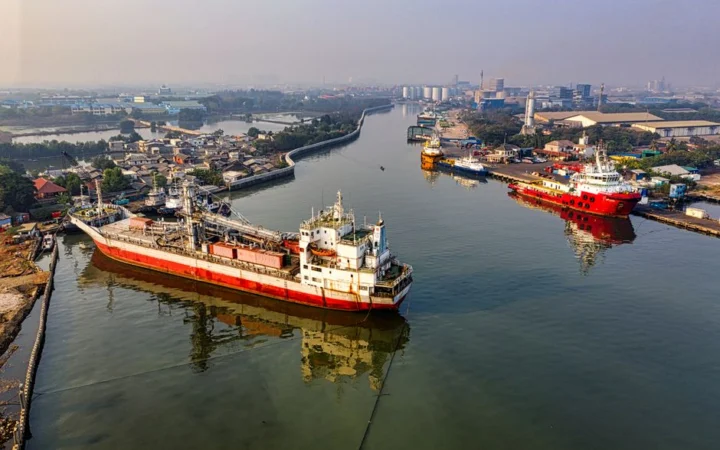
Sure, air transport is fast, but ships carry the real weight. Cargo vessels dock at major hubs scattered along the Persian Gulf and the Red Sea.
These ports unload everything from canned rations to multi-ton heavy armor. Cranes work around the clock to clear hulls before the sun comes up.
Security is suffocatingly tight at every single terminal. Armed patrols watch the docks without a break.
A single delay at a port ripples straight through the entire supply chain. That is precisely why maritime routes remain a top priority for defense planners.
For more information, visit our website.
Related reading
Update: US Aircraft Carrier Deployments in the Middle East: A Practical Breakdown for British Readers