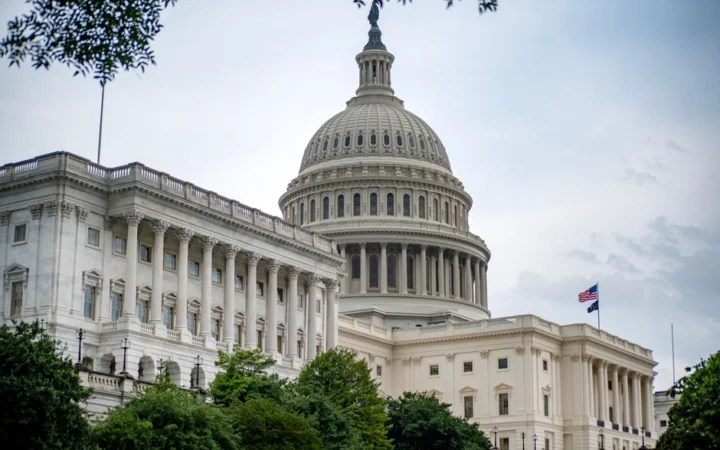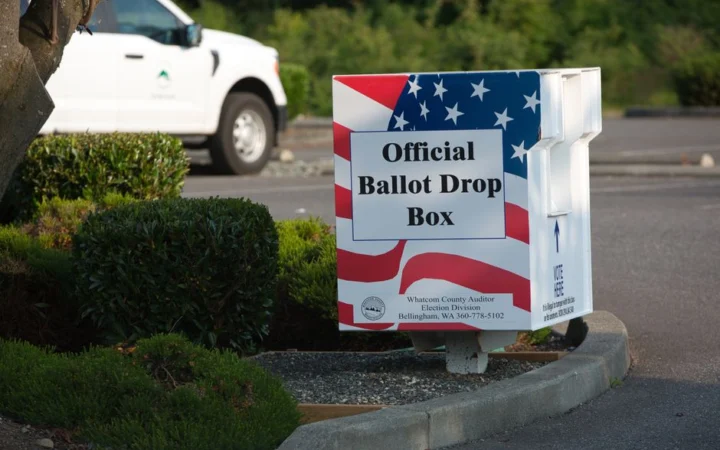
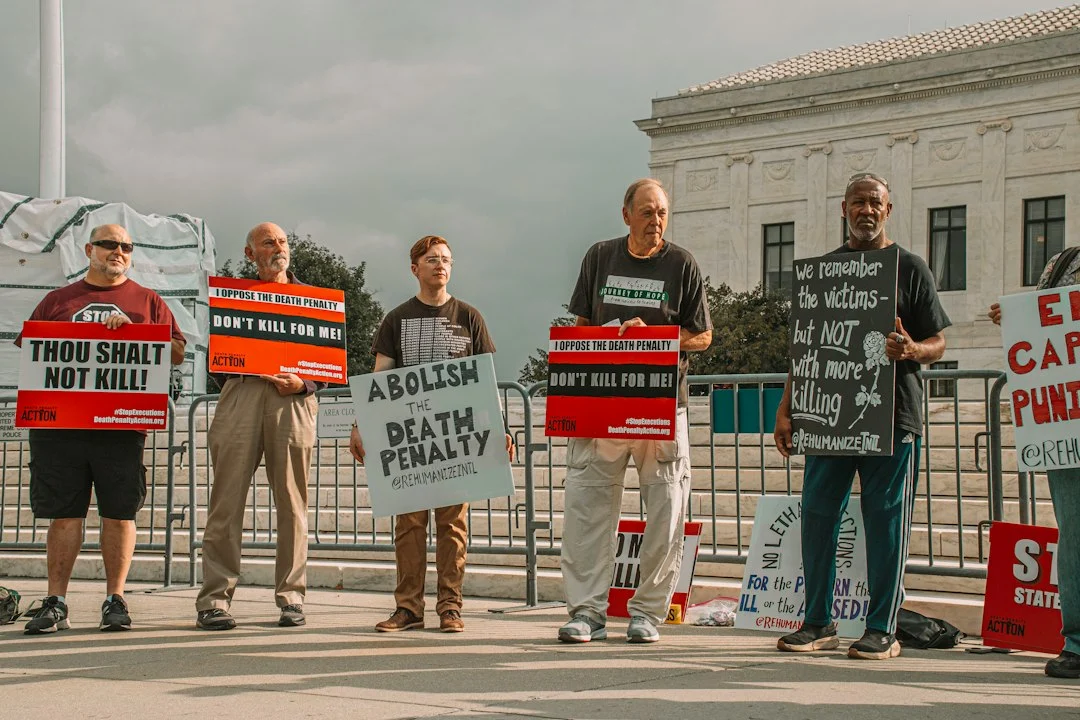
Running for office in America takes serious cash. Candidates spend millions on airwaves, digital ads, and field staff long before voters ever step into a voting booth. Two distinct engines drive US campaign funding today. One relies on deep-pocketed Political Action Committees and wealthy donors. The other leans on millions of small contributions collected online. Both approaches shape modern politics, but they operate under entirely different rules and philosophies.
Understanding these financial pipelines explains a lot about how candidates pitch themselves to the public. Money talks loudly in Washington. Knowing where that money originates reveals who a politician actually answers to once the election dust settles.
The Mechanics and Influence of PACs
Political Action Committees, or PACs, have existed for decades. They pool money from individuals, corporations, or labor unions to support or oppose specific candidates. Traditional PACs face strict contribution limits set by the Federal Election Commission. Super PACs changed the math completely.
Following landmark court rulings, Super PACs can raise unlimited sums from corporations, unions, and billionaires. They cannot coordinate directly with a candidate’s official campaign, but they spend massive amounts on independent advertising. When a Senate race suddenly floods with millions in television ads from an outside group, you are looking at Super PAC money in action.
This model moves fast. A single wealthy donor can write a seven-figure check in seconds. Campaigns and allied groups can deploy those funds immediately to counter an opponent’s attack. Candidates benefit from big backers who fund heavy media blitzes without draining official campaign accounts.
Yet this system carries heavy baggage. Critics argue that reliance on big donors creates a perception of corruption. Ordinary voters often feel drowned out by billionaires and corporate interests. When a handful of wealthy individuals fund a large share of a primary candidate’s war chest, the public naturally questions whose interests come first in legislative battles.
The Grassroots Engine of Small-Dollar Donations
Small-dollar fundraising takes the opposite approach. Instead of courting a dozen billionaires, campaigns chase thousands of twenty-dollar contributions from everyday citizens. Digital platforms like ActBlue for Democrats and WinRed for Republicans transformed this method into a fine-tuned science.
Smartphone apps, targeted emails, and social media prompts make giving money effortless. A viral moment on cable news or a sharp debate retort can trigger a tidal wave of small donations overnight. This model demonstrates genuine grassroots enthusiasm. If a candidate inspires thousands of people to chip in five or ten dollars, that support runs deep.
Small-dollar funding offers candidates remarkable independence. A politician backed by a million small donors doesn’t owe favors to a single corporate CEO or wealthy industrialist. They can vote against major industry lobbies without worrying about losing their primary financial lifeline.
Building a massive small-dollar donor base takes immense time and upfront investment. Digital advertising costs money. Writing compelling fundraising emails requires constant attention. Most candidates cannot rely solely on small donations during their first run because they lack the initial name recognition to drive online traffic.
Comparing Speed, Control, and Public Trust
Both funding models serve distinct purposes for modern politicians. PACs provide immediate financial muscle. When a campaign faces an unexpected scandal or a last-minute polling drop, outside PAC money can flood the zone with counter-messaging almost instantly.
Small-dollar contributions build a more resilient foundation over time. Cash from individual supporters sits in the official campaign account. Candidates control those funds directly, using them for staff salaries, office leases, and ground operations that outside PACs are legally barred from funding.
Public trust splits sharply along these lines. Voters generally view small-dollar donations as democratic and authentic. They view PAC spending with deep suspicion. Even so, many political strategists know that running a competitive modern race without outside spending groups is practically impossible.
The Federal Election Commission tracks these contributions closely, but disclosure rules leave loopholes. “Dark money” groups hide their ultimate donors behind complex shell corporations and non-profit structures. Small-dollar donors provide clear transparency because individual names appear plainly in public filing records.
Which US Campaign Funding Model Wins the Long Game?
Neither model works in isolation today. Successful modern campaigns combine both strategies. They use PACs and wealthy supporters to establish baseline visibility, while cultivating small-dollar networks for sustained operational cash.
Small-dollar donations represent the superior model for long-term democratic health. Relying on everyday citizens keeps politicians accountable to ordinary voters rather than elite donors. Candidates who build broad grassroots backing weather political storms much better than those dependent on a few wealthy patrons.
Real reform requires encouraging broader citizen participation. When more people invest small amounts into elections, the entire political system shifts back toward the electorate. Smart campaigns recognize this reality and invest heavily in digital grassroots organising long before election day arrives.
For more information, visit our website.
Related reading
- US Mail-In Voting vs. In-Person Voting: Which System Works Best?
- US Iran Conflict Impact on UK Energy Bills and Gas Prices
Update: How to Track US Federal Legislation
Update: US Iran War Logistics: How the Pentagon Moves Fuel and Missiles Across the Region