Energy markets across Britain react instantly whenever tensions spike in the Persian Gulf. If you manage a portfolio or simply want to understand your next fuel bill, watching US Iran war oil disruptions is essential. British businesses face direct fallout when tankers stall or refineries change routes. You don’t need a Bloomberg terminal to follow these shifts. You just need to know where to look and what numbers actually matter.
Track Tanker Traffic Through Chokepoints
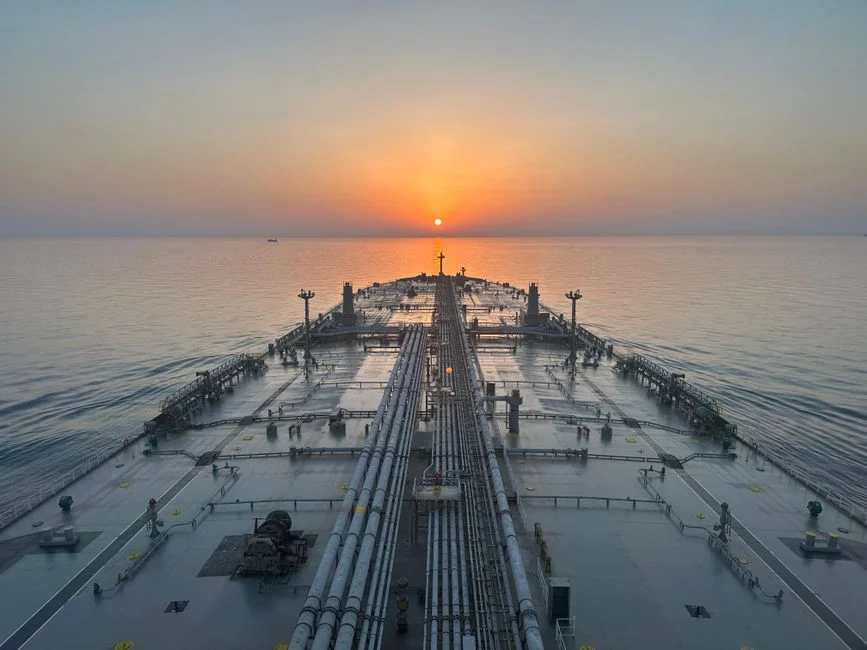
Everything starts on the water. A massive share of global petroleum moves past the Arabian Peninsula every single day. When conflict threatens the region, commercial vessels alter their paths or drop anchor offshore.
Marine tracking platforms show real-time vessel positions across the Middle East. Look for tankers congregating outside the conflict zone. Notice when insurance premiums spike for British-flagged or western-linked ships. That real-time friction tells you more about actual supply bottlenecks than cable news chatter.
Monitor US Iran War Oil Inventory Reports
Official data drops keep the guesswork out of market analysis. The US Energy Information Administration publishes weekly inventory updates every Wednesday morning. These numbers reveal whether crude stockpiles are shrinking or growing.
British traders watch these US updates alongside reports from the International Energy Agency based in Paris. When inventories drop unexpectedly during a geopolitical crisis, prices at British pumps usually follow within days. Compare those weekly storage figures against historical averages to spot real shortages early.
Check Official Government Advisories
Rumours spread fast online during active military standoffs. Relying on unverified social media posts will cost you money. The UK Foreign Office issues continuous travel and maritime safety notices for the Persian Gulf region.
At the same time, the Pentagon releases operational briefings detailing regional security postures. Cross-reference these official statements with notices from maritime trade associations. If insurers cancel coverage for specific routes, shipping stops immediately regardless of political rhetoric.
For more information, visit our website.
Related reading
Update: US Immigration Policy Updates
Update: US Military Base Footprint in the Middle East: A UK Observer's Guide