US Iran War Shipping Disruption
The threat of a US Iran War sends immediate shockwaves through global freight markets. British exporters relying on Middle Eastern trade corridors face sudden route changes. Carriers divert vessels away from critical choke points like the Strait of Hormuz. These longer journeys add weeks to delivery schedules.
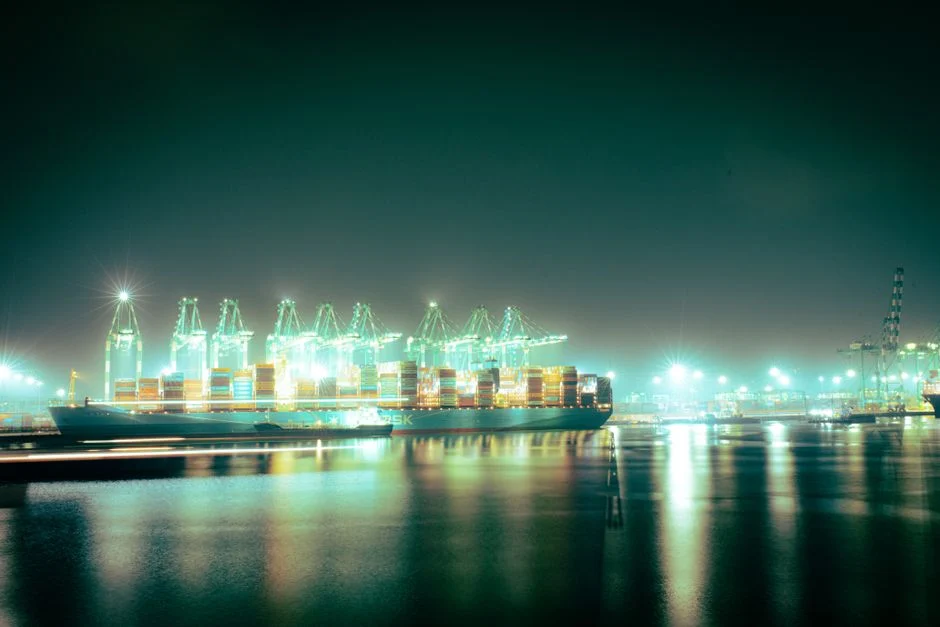
Shipping costs climb sharply when insurance syndicates reprice maritime risks. Companies exporting industrial equipment from ports like Felixstowe absorb higher operational expenses. Profit margins shrink overnight. Smaller firms struggle to pass these surcharges onto international buyers.
Energy Costs and British Manufacturing
Escalating hostilities in the Gulf immediately push up Brent crude prices. British factories operating on tight energy budgets feel the pinch within days. Manufacturing sectors relying heavily on natural gas face severe input price spikes. Production lines become expensive to run.
Inflationary pressures filter through the broader UK economy. Retailers raise prices on consumer goods to offset rising freight and energy overheads. Consumers notice the difference at checkout counters across high streets. Economic forecasts from financial institutions get revised downward rapidly.
Supply Chain Vulnerabilities
Supply chains prove remarkably fragile during geopolitical crises. Component shortages hit British automotive plants and electronics assemblers. Alternative suppliers take months to vet and integrate into existing operations. Production bottlenecks stall export orders.
Businesses must diversify their sourcing strategies quickly. Relying on a single trade route through volatile regions creates unacceptable operational risk. Procurement managers now spend their days modeling worst-case logistics scenarios.
Financial Compliance and Sanctions
Banking relationships face intense scrutiny during heightened military tensions. Financial institutions freeze transactions linked to disputed territories out of caution. British firms trading internationally navigate complex compliance hurdles daily. Mistakes lead to frozen funds and delayed payments.
Corporate treasurers hold larger cash reserves to cushion against unexpected liquidity shocks. Accessing credit becomes harder as lenders tighten risk appetites. Careful financial planning keeps businesses solvent during prolonged periods of market instability.
For more information, visit our website.
Learn more on Wikipedia: US Iran War.
Related reading
- US Federal Budget News: Tracking Debt Ceiling Debates From the UK
- US Military Base Footprint in the Middle East: A UK Observer’s Guide