When tensions spike between Washington and Tehran, attention invariably turns to the vast network of US military bases scattered across the Middle East. If you’re watching these developments unfold from the UK, figuring out where these installations actually are and what they do matters. They aren’t just pins on a map. They represent decades of strategic positioning, billions of dollars in hardware, and hundreds of thousands of service members.
1. The Geographic Spread of US Military Bases
Washington maintains a sprawling footprint across the region. You will find major installations stretching from the Persian Gulf to the Eastern Mediterranean. Qatar hosts Al Udeid Air Base, one of the largest American military facilities outside the United States. Bahrain serves as the headquarters for the US Navy’s Fifth Fleet. Kuwait, the United Arab Emirates, and Saudi Arabia also host thousands of American personnel and critical air and ground assets.
This dispersion is intentional. Spreading forces across multiple countries prevents any single hostile actor from wiping out regional capabilities in a single strike. But it also creates numerous points of vulnerability. Each host nation maintains its own political calculus regarding how those facilities can be used during a crisis.
2. Airpower and Logistics Infrastructure
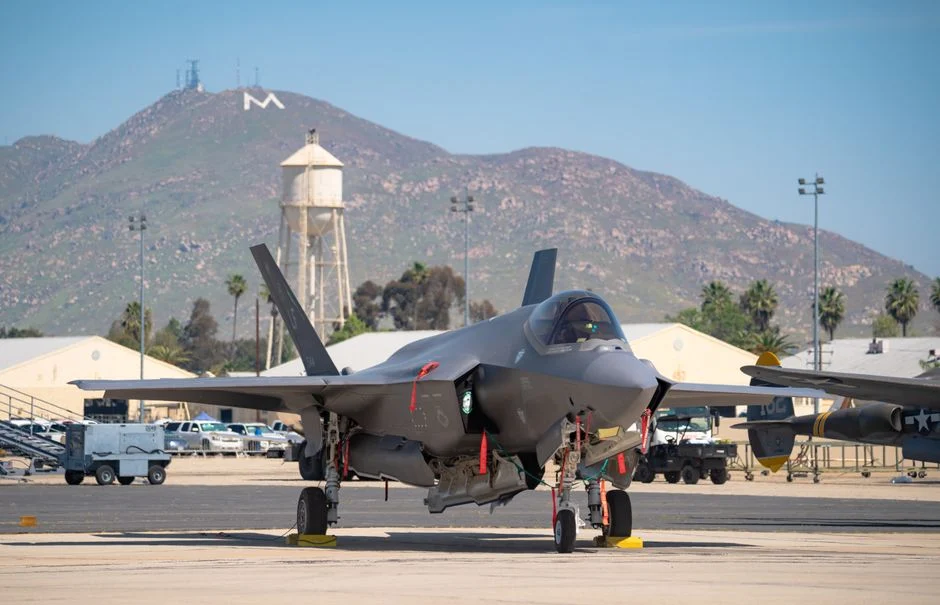
Air superiority defines modern American military strategy. That relies entirely on concrete runways, fuel depots, and hardened aircraft shelters. Bases in the region handle everything from tactical fighters to massive aerial refueling tankers. Without these hubs, projecting power across vast distances becomes logistically impossible.
Supply lines stretch thousands of miles back to the continental United States. Yet, prepositioned equipment depots inside the region allow heavy armored vehicles and ammunition to sit waiting for troops. British military analysts often point out that this infrastructure acts as both a deterrent and a lightning rod. It reassures regional partners, but it also provides clear targets for retaliatory strikes by adversary proxy groups.
3. Air Defence Systems and Missile Shielding
Protecting these facilities requires an immense umbrella of defensive technology. Patriot missile batteries and Terminal High Altitude Area Defense (THAAD) systems dot the landscape around key installations. These interceptors cost millions of dollars per launch.
Intercepting incoming drones or ballistic missiles is a high-stakes game of physics and timing. When skirmishes flare up, these defensive networks face severe stress tests. The sheer volume of cheap loitering munitions used by regional adversaries means defense batteries sometimes burn through their inventory faster than resupply chains can replenish them. This operational reality shapes every decision made inside regional command centers.
4. Diplomatic Agreements and Host Nation Politics
No American base operates in a vacuum. Every single installation exists because of bilateral defense pacts signed with sovereign host governments. These agreements face constant domestic political pressure within the host countries.
Local populations frequently push back against foreign military presence during regional escalations. Governments in the Gulf and Levant must walk a tight diplomatic tightrope. They want American security guarantees, but they fear becoming collateral damage in a wider conflict. For broader context on how regional capitals manage these delicate talks, see our backgrounder on US Iran War Diplomacy.
5. The Strategic Shift Toward Deterrence
Washington has spent recent years trying to rebalance its global commitments. Policymakers talk constantly about pivoting toward the Indo-Pacific. Yet, events on the ground keep pulling American resources back into the Middle East.
The primary mission of US military bases in this environment is deterrence. The goal is convincing adversaries that the cost of launching a major regional war outweighs any potential gains. Whether that fragile equilibrium holds depends heavily on miscalculations, proxy actions, and backchannel communications.
For more information, visit our website.
Learn more on Wikipedia: US military bases.
Related reading
Update: US Iran War Risks for British Exporters
Update: US Consular Fees 2026: What British Expats Need to Know