- What are the newest changes to US tariff policy?
- Which foreign goods face the highest new duties?
- How does US tariff policy affect international supply chains?
- What is Congress saying about recent trade restrictions?
- When will these import rules take full effect?
- How do businesses prepare for shifting trade rules?
Trade desks in Washington and major global shipping ports are tracking a wave of shifting trade rules. US tariff policy has evolved sharply over recent months as federal agencies implement new import restrictions and broad duties on foreign goods. Exporters from Europe to Asia are scrambling to understand what these changes mean for their bottom lines. If you run an international business or simply want to understand current economic headlines, the moving parts can feel overwhelming. Let us break down the most important developments, what federal officials are saying, and where things stand right now.
What are the newest changes to US tariff policy?
Federal trade authorities have rolled out a series of targeted import duties aimed at specific foreign manufacturing sectors. These measures focus heavily on critical minerals, technology hardware, and legacy industrial goods. Officials at the Office of the United States Trade Representative argue these duties protect domestic manufacturing jobs. Critics counter that higher import taxes inevitably raise costs for everyday consumers.
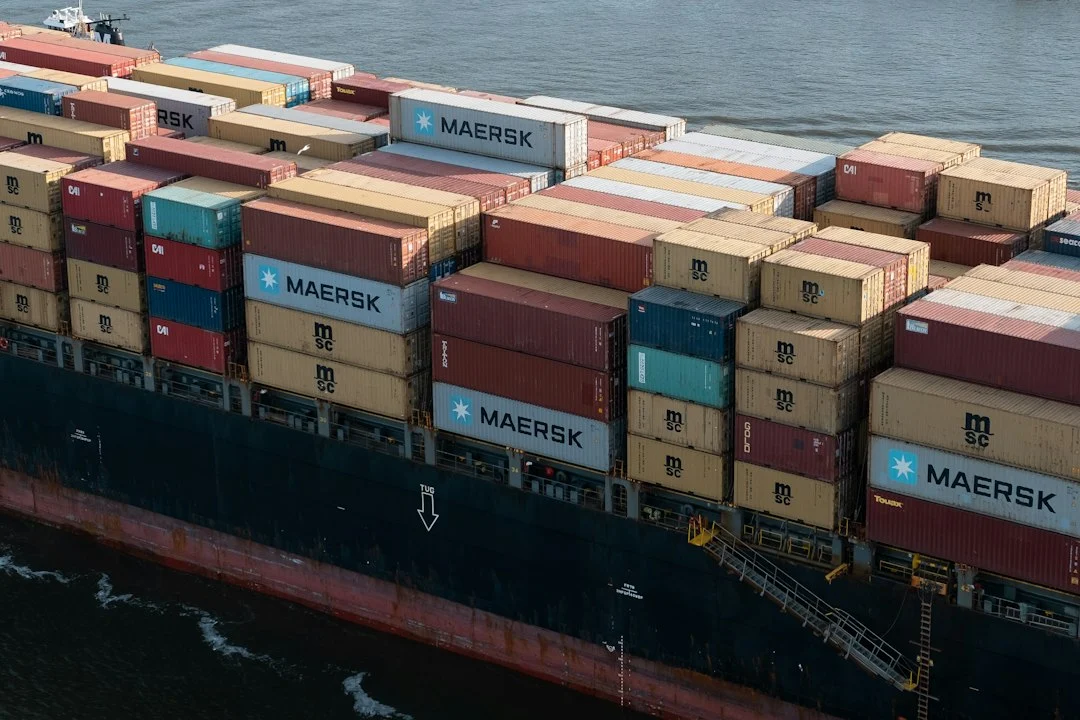
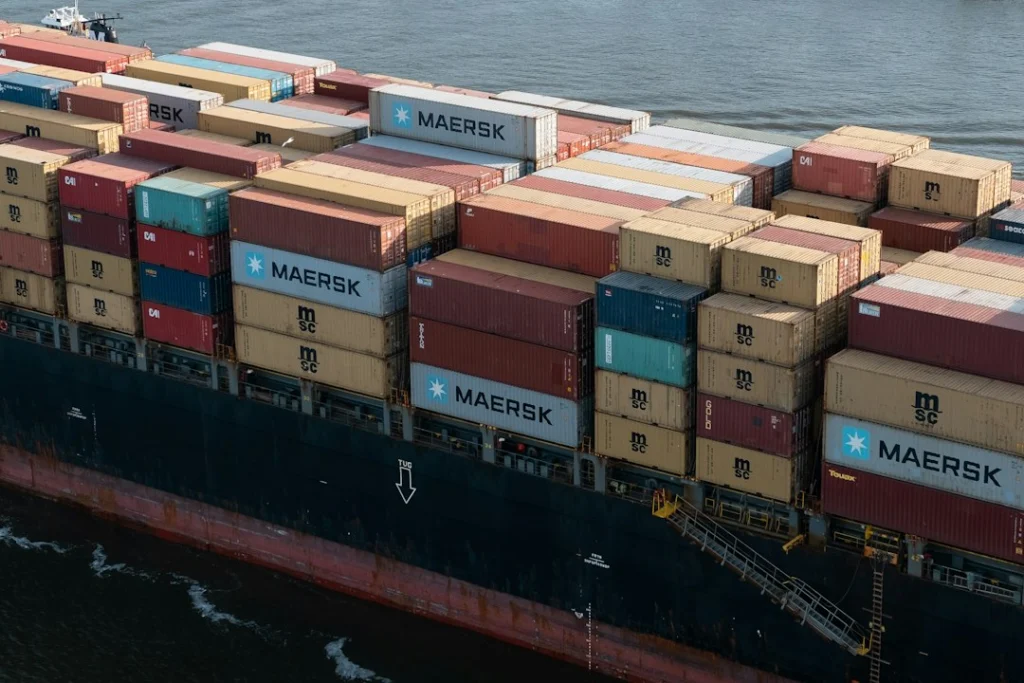
The adjustments are not blanket taxes on every imported item. Instead, they apply precise surcharges to specific product codes. A cargo container arriving at the Port of Los Angeles might face entirely different customs fees depending on its exact steel content or semiconductor origin. Customs officials are checking shipping manifests more closely than ever. Delays at major ports have ticked upward as a result.
Which foreign goods face the highest new duties?
Electric vehicles, advanced batteries, solar cells, and medical supplies sit at the very top of the new surcharge lists. Duties on certain electric vehicles from abroad have risen steeply, effectively pricing those models out of the American consumer market. Steel and aluminium imports from several key trading partners also carry reinstated or expanded penalty tariffs.
Consumer electronics, clothing, and toys remain largely untouched by these specific sectoral crackdowns. Even so, retailers worry about a spillover effect. When shipping components cost more, the final assembly price usually creeps up. Retail executives across the country are adjusting their autumn inventory forecasts to account for these rising expenses.
How does US tariff policy affect international supply chains?
Supply chain managers are rewriting their logistics playbooks. Relying on a single overseas manufacturing hub is suddenly too risky for many corporations. Companies are shifting production lines to alternative nations that avoid the heaviest customs penalties.
This geographic shuffle takes time. Building a new factory or qualifying a new supplier can take years. In the interim, businesses are absorbing higher logistics costs or passing them down the distribution chain. Smaller firms often struggle with these extra expenses more than multinational conglomerates with dedicated trade compliance legal teams.
What is Congress saying about recent trade restrictions?
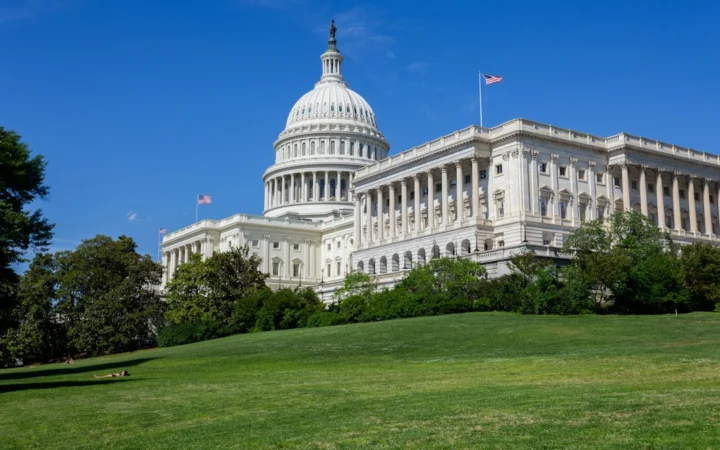
Lawmakers on Capitol Hill remain sharply divided over the White House trade agenda. Members of the majority party in various committees generally praise the aggressive stance against foreign industrial overcapacity. They argue that decisive trade barriers are necessary to safeguard national security and domestic industrial capacity.
Conversely, opposition lawmakers warn that aggressive duties trigger retaliatory measures against American agricultural exports. Farmers in the Midwest have voiced strong concerns about losing valuable overseas markets for corn, soy, and wheat. Several congressional panels have held hearings to question trade representatives about the long-term economic fallout of these duties.
When will these import rules take full effect?
Many of the announced rate increases have already gone live following standard federal review periods. Other phased measures are rolling out in stages across the fiscal calendar. Customs authorities typically provide a brief window between an announcement and enforcement day. Importers use this grace period to rush cargo through customs before higher fees apply.
Legal challenges could still slow down implementation. Trade associations frequently file lawsuits in federal court challenging the statutory authority behind certain executive branch trade actions. While these legal battles wind through the judiciary, the underlying rules remain active unless a judge issues a specific injunction.
How do businesses prepare for shifting trade rules?
Corporate compliance officers are spending countless hours auditing product classification codes. Getting a product code wrong can result in steep fines or seized cargo at the border. Many mid-sized companies are hiring outside customs brokers to navigate the red tape.
Another common strategy involves inventory buffering. Firms are bringing in extra stock ahead of scheduled duty increases. This ties up working capital, but executives consider it a worthwhile insurance policy against unpredictable trade announcements.
For more information, visit our website.
Related reading
Update: US Immigration News: Border Enforcement Versus Expanded Legal Pathways
Update: US Government Shutdown News: What Actually Happens When Federal Funding Lapses