Missiles slice through desert skies with little warning. Washington relies on a complex web of radar networks, interceptor batteries, and command posts to protect its forces spread across the region. That infrastructure forms the backbone of US air defence from the Mediterranean to the Persian Gulf. British observers watch these deployments closely because regional stability directly affects commercial shipping and energy markets back home.
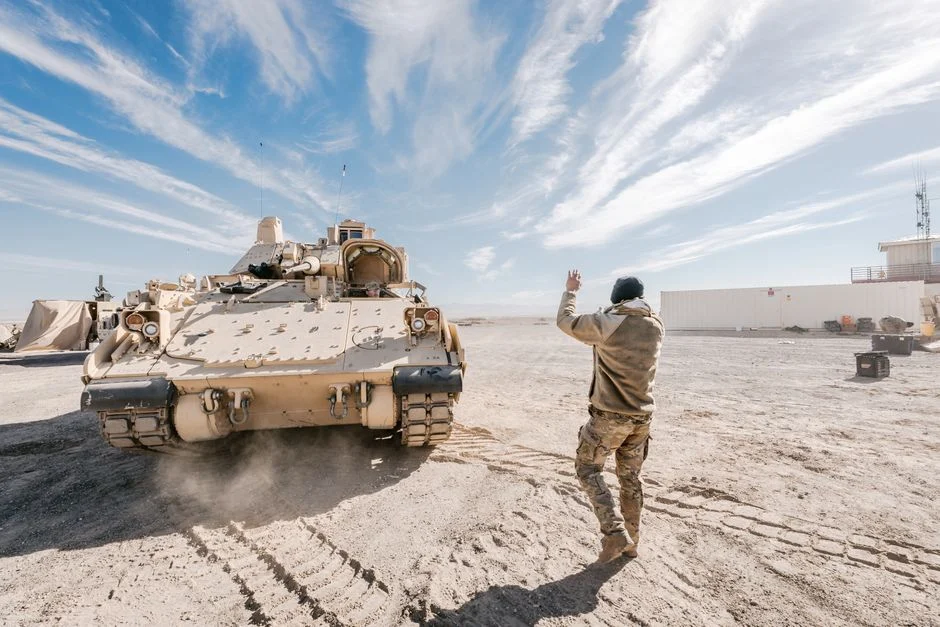
The Architecture of US Air Defence Networks
Building a reliable shield over foreign territory takes immense coordination. The Pentagon deploys Patriot batteries alongside Terminal High Altitude Area Defense systems to counter incoming ballistic threats. Each platform serves a specific altitude and range. Radars sweep the horizon constantly, feeding tracking data straight to operators who have to make split-second decisions.
Batteries don’t operate in isolation. They link up with naval destroyers patrolling nearby waters. These warships carry Aegis combat systems capable of tracking multiple targets simultaneously. When an attack happens, sensors pass coordinates instantly and interceptors launch within seconds. Success depends entirely on software integration and crew readiness.
Logistics remain a constant headache for planners. Replacement interceptors cost millions of dollars each, and transporting heavy equipment across vast distances requires steady airlift capacity. Maintenance teams work around the clock in extreme heat. Dust storms clog sensitive optics, and spare parts take weeks to clear customs. Operating these systems far from domestic supply chains demands intense discipline.
Integration With Regional Allies
Washington cannot secure every square mile alone. Host nations contribute their own radar coverage and fighter jets, but sharing intelligence remains a delicate diplomatic dance where mutual trust takes years to build. Intelligence sharing agreements allow early warning data to flow between allied command centres.
Joint exercises happen regularly. Troops run simulated missile barrages to test response times. Language barriers occasionally slow down communications, and technical standards differ between American and allied hardware. Engineers spend months writing custom software patches to bridge the gap. Shared threat perceptions usually override these technical friction points.
Connecting regional partners creates a wider umbrella. Missiles launched from distant territories cross multiple national airspaces before reaching their targets, and early tracking gives everyone more time to react. If you want to understand how regional instability ripples outward, take a look at our analysis on US Iran War Risks and British Shipping Strains to see the broader picture.
Modern Challenges Facing US Air Defence
Drone technology changes the mathematical equation entirely. Traditional interceptors were designed for fast-moving ballistic missiles, whereas cheap, propeller-driven drones fly low and slow, slipping underneath heavy radar beams. Firing a multimillion-dollar missile at a cheap drone drains stockpiles rapidly.
Militia groups adapt their tactics constantly. They launch swarms from hidden locations on the back of trucks. Electronic jamming adds another layer of chaos because GPS signals get spoofed or blocked entirely, forcing operators to rely on optical tracking when screens go dark.
Defenders face a numbers game. Attackers can manufacture inexpensive drones by the thousand, and factories churn out simple guidance systems with ease. Production lines for advanced interceptors move much slower. Closing that cost gap keeps military engineers awake at night.
The Cost of Persistent Readiness
Keeping these defensive networks active requires massive budgets. Congress approves billions of dollars annually for procurement and maintenance, and taxpayers foot the bill for every missile fired during training or combat. Wear and tear on mobile launchers accumulates quickly.
Personnel face grueling deployment cycles. Crews rotate through isolated desert outposts for months at a time, where boredom mixes with sudden, terrifying moments of action. Mental fatigue becomes a silent enemy. Commanders monitor stress levels closely to prevent operational errors.
Policy debates in Washington center on sustainability. Lawmakers question whether the current posture drains resources needed elsewhere, especially as strategic priorities shift toward other global hotspots. Yet pulling back too quickly risks leaving allies exposed. The footprint remains heavy because abandoning the region invites immediate chaos.
For more information, visit our website.
Learn more on Wikipedia: US Air Defense Force.
Related reading
- US Tariff Policy Updates: What Washington’s Latest Trade Actions Mean for UK Exporters
- Iran Nuclear Program Latest News
Update: US Congressional Budget Battles: What the New Fiscal Deadlines Mean for Federal Funding