- Myth 1: US Naval Patrols Permanently Close the Strait of Hormuz During Crises
- Fact: Routine Rotations Dictate Fleet Strength, Not Just Escalation
- Myth 2: Warships Operate Alone Without Regional Coordination
- Fact: Asymmetric Threats Have Changed Everyday Tactics
- Myth 3: Technology Eliminates the Need for Visual Identification
- What UK Observers Should Watch Next
British defence analysts tracking the Middle East often encounter a wall of online speculation. When tensions flare in the region, headlines scream about imminent blockades or sudden fleet withdrawals. Yet the day-to-day reality of US naval patrols operating through the Strait of Hormuz looks far more methodical than social media rumors suggest. Let’s break down what is actually happening on the water, separating persistent myths from verified military facts.
Myth 1: US Naval Patrols Permanently Close the Strait of Hormuz During Crises
Many commentators assume that an increase in American warship activity means the Pentagon is locking down the waterway. That simply is not how international maritime law or naval doctrine works. The Strait of Hormuz is a vital international transit corridor. Around a fifth of the world’s petroleum passes through this narrow chokepoint daily. Closing it would choke global energy markets—something Washington and its allies actively work to prevent.
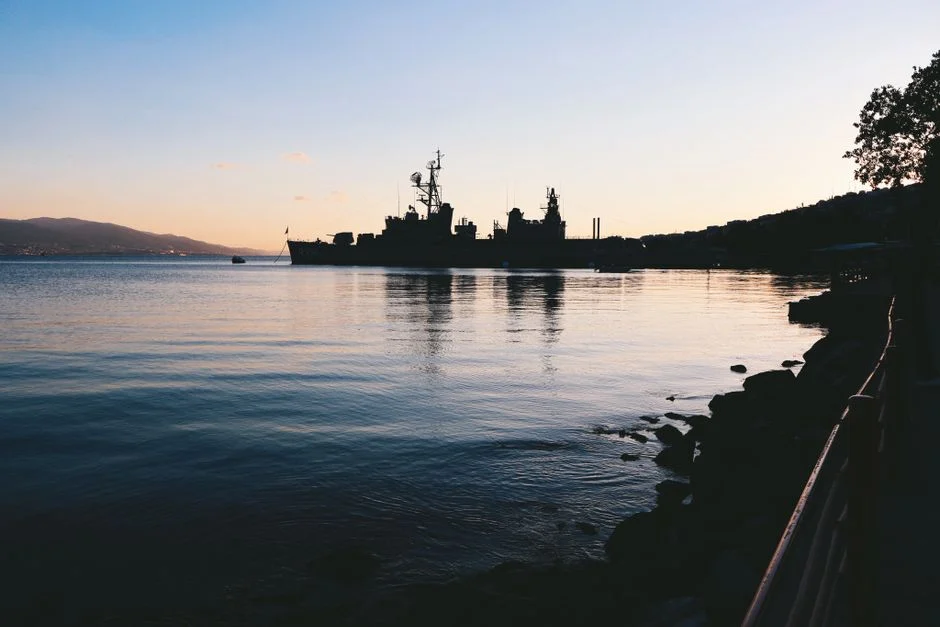
Instead of imposing a blockade, tracking US military deployments reveals a strategy focused strictly on escorts and deterrence. Destroyers and littoral combat ships patrol designated corridors to protect commercial shipping flying various flags, including British-flagged vessels. They do not stop normal civilian traffic. They watch for fast-attack craft and drone threats. The mission is keeping lanes open, not shutting them down.
Fact: Routine Rotations Dictate Fleet Strength, Not Just Escalation
Another common misconception treats every aircraft carrier transit as a direct reaction to a specific threat. Carrier strike groups operate on strict deployment cycles managed by the Pentagon. A strike group typically spends months preparing, deploys for a set window, and then hands over duties to a relieving unit. Sometimes those handovers overlap. This creates a temporary doubling of naval power in the region that has nothing to do with a sudden presidential order or an impending clash with Iran.
Observers in London need to check deployment schedules before sounding the alarm. If a carrier leaves the Fifth Fleet area of responsibility without a replacement, that departure is usually part of a planned rotation rather than a strategic retreat. Intelligence agencies look at maintenance logs and homeport schedules to separate routine rotations from emergency surges.
Myth 2: Warships Operate Alone Without Regional Coordination
People often picture an American aircraft carrier steaming through the Gulf in total isolation. In reality, US naval patrols rely heavily on integrated multinational task forces. The Bahrain-based Combined Maritime Forces brings together dozens of nations, including the Royal Navy, to patrol regional waters. British Type 45 destroyers and minehunters routinely work alongside American counterparts.
This coalition approach shares intelligence on surface contacts and aerial threats in real time. When an incident occurs, command decisions involve consultation between allied capitals. London and Washington share the burden of safeguarding commercial shipping lanes. It is a joint operational picture, not a unilateral American show.
Fact: Asymmetric Threats Have Changed Everyday Tactics
Traditional naval warfare focused on state-on-state fleet engagements on the open ocean. The Persian Gulf presents a completely different environment. US naval patrols contend with shallow waters, heavy civilian traffic, and low-cost asymmetric threats like explosive-laden surface drones and loitering munitions.
To counter these hazards, warships use layered defense systems. Phalanx close-in weapon systems, electronic jamming gear, and embarked helicopter squadrons provide multiple tiers of protection. Sailors stand watch 24 hours a day in sweltering heat. The threat is rarely a massive cruiser battle. Instead, it is a sudden swarm of uncrewed vessels darting out from hidden coastal bases.
Myth 3: Technology Eliminates the Need for Visual Identification
Some assume modern satellite surveillance and radar make physical ship patrols obsolete. Satellites offer incredible imagery, but they provide snapshots, not continuous situational awareness. Radar can track blips on a screen, but it cannot read a hull number or determine the intent of a suspicious wooden dhow.
Boats on the water still do the gritty work of hailing vessels over radio and launching rigid-hull inflatable boats for boarding inspections when necessary. Human eyes remain irreplaceable in congested littoral waters. Technology supports the sailor, but it does not replace the physical presence of a grey hull showing the flag.
What UK Observers Should Watch Next
Cutting through the noise requires looking past sensationalist commentary. Focus on official statements from the US Naval Forces Central Command and updates from the UK Ministry of Defence. Watch the rhythm of multinational exercises and shipping insurance rate adjustments rather than panic-driven social media posts. The Persian Gulf remains tense, but the operational reality is grounded in steady, professional deterrence rather than chaotic improvisation.
For more information, visit our website.
Related reading
- What Do Recent US Supreme Court Rulings Mean for Online Speech?
- How to Track US Election Results From the UK
Update: How to Submit Public Comments on US Federal Agency Rules From the UK
Update: US Iran War Logistics: How Military Supply Lines Actually Work Across the Middle East