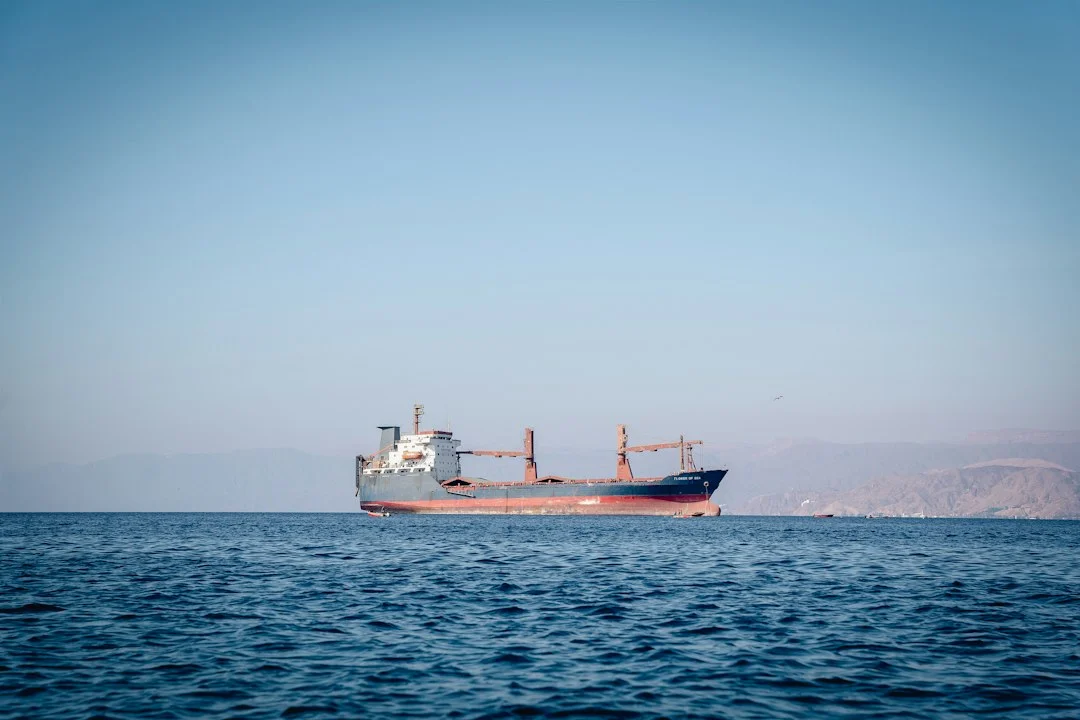
British freight forwarders are scrambling again. Washington’s shifting military posture across the Middle East has completely scrambled maritime security across vital shipping lanes. With carrier strike groups and missile batteries constantly relocating, commercial vessels can no longer operate on autopilot near critical chokepoints. Cargo operators are stuck choosing between painfully long detours or suffocating insurance hikes.
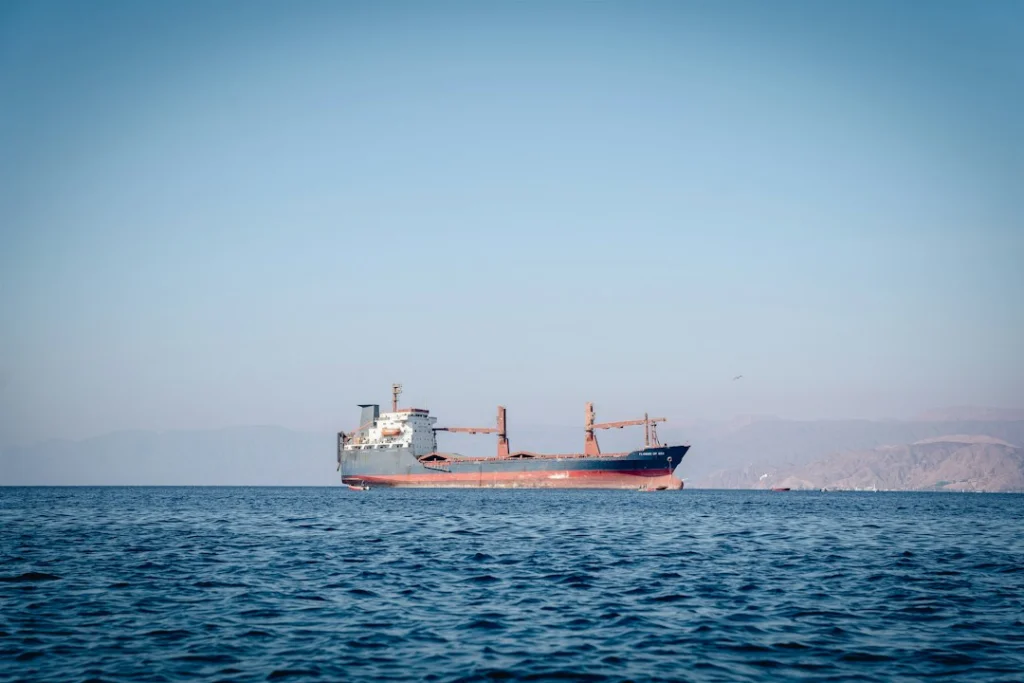
Shifting US Forces and Maritime Routes
Pentagon planners constantly shuffle naval patrols and air defense arrays whenever regional threats flare up. Naturally, this creates massive headaches for commercial cargo carriers hauling goods from Europe to Asia via the Suez Canal. When warships flood a specific zone, civilian captains immediately divert their routes just to keep a safe distance.
Longer voyages burn through expensive fuel and wreck tight delivery schedules. British businesses relying on imported goods feel the pinch immediately at distribution hubs from the Midlands down to the Southeast. Logistics managers are losing sleep recalculating routes while freight rates bounce all over the place.
Insurance Costs and Regional Risk
War risk underwriters don’t waste time. The second Washington moves troops or redirects a strike group, insurance rates jump. Premiums for ships moving through the Gulf of Oman spike practically overnight whenever security incidents make the news. Naturally, shipowners pass every penny of those extra expenses right down the supply chain.
Smaller British import firms take the hardest hit since they simply don’t have the muscle to negotiate rates like multinational retail giants do. A single shipment can get slapped with thousands of pounds in surprise risk surcharges. Frankly, these brutal financial pressures are driving many companies to ditch the region entirely and source their goods elsewhere.
Communications and Escort Protocols
Naval coalition forces try to keep open radio channels with commercial shipping so everyone knows where the hazards are. But let’s be honest—when things get tense, military traffic completely clogs up the airwaves. Merchant captains mostly have to lean on fresh maritime advisories dropped by international security agencies.
Getting a handle on these operational shifts lets logistics teams spot bottlenecks before their cargo even leaves the dock. For a deeper look at how naval protection measures work in practice, read our guide on naval patrols vs convoy escorts. Staying informed remains the best defense against unexpected supply chain disruptions.
For more information, visit our website.
Related reading
- US Tariff Policy: What the Latest Import Duty Proposals Mean for Global Trade
- US Law Enforcement News
Update: US Federal Budget Battles: Continuing Resolutions vs. Omnibus Spending Bills