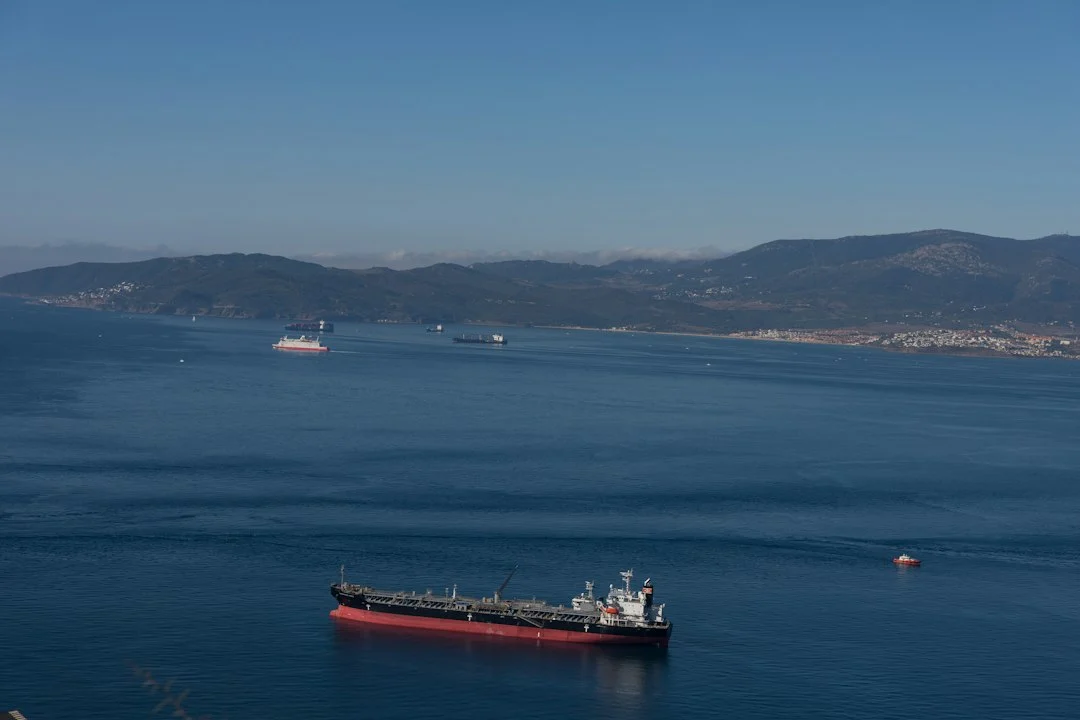
British households are already feeling the pinch from global energy shocks, but few threats loom as large over UK utility bills as a potential US Iran war. When tensions flare in the Persian Gulf, oil tankers stall and natural gas prices spike across Europe within hours. Most people assume the fallout stays localized to the Middle East. That is a dangerous mistake.
The Strait of Hormuz Chokepoint
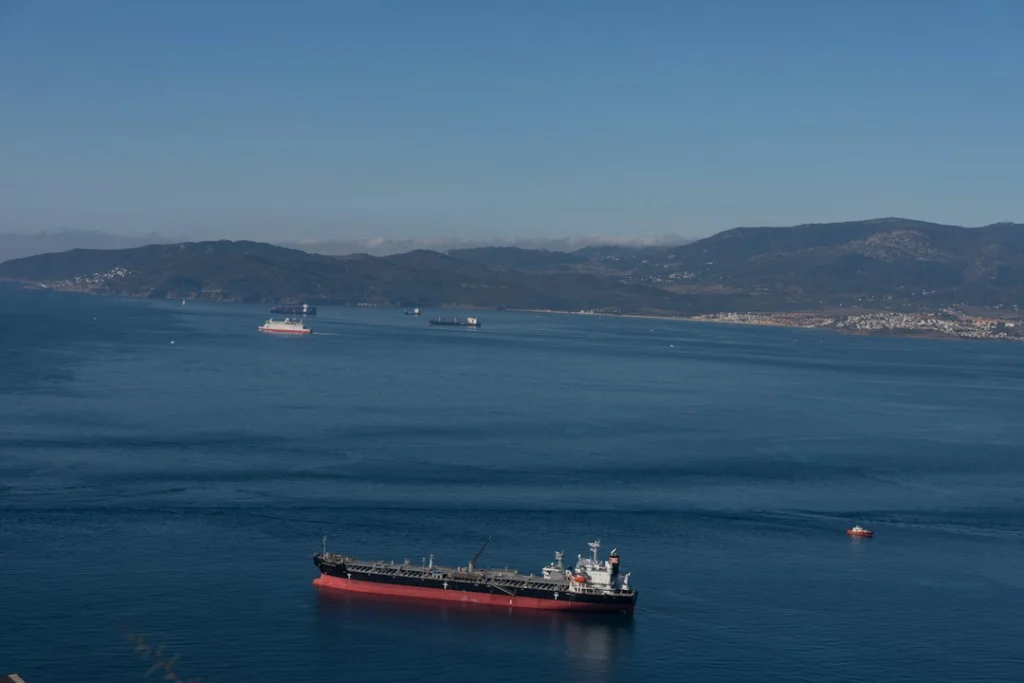
Geography dictates the severity of this crisis. A huge slice of the world’s liquefied natural gas and crude oil moves through a tiny stretch of water known as the Strait of Hormuz. Iran sits right on its northern shore. If a conflict closes this maritime route, global supply drops instantly.
Tankers cannot simply take a quick detour. Alternative pipelines lack the capacity to make up the shortfall. Energy traders panic, futures contracts surge, and wholesale prices explode. Britain relies heavily on imported gas to heat homes and generate electricity. When wholesale costs jump in Rotterdam or the National Balancing Point, your monthly direct debit follows suit a few weeks later.
Fuel Prices at British Forecourts
It isn’t just your gas boiler that takes a hit. Petrol stations across the UK respond to crude oil fluctuations with ruthless speed. When Brent crude climbs past ninety dollars a barrel following military escalations, unleaded prices at Asda and Tesco jump almost overnight.
Retailers love to blame rising wholesale costs for pump price hikes, and during a US Iran war scenario, that explanation holds water. Refining capacity takes a direct hit if regional infrastructure suffers damage. Logistics firms pass those higher diesel expenses onto supermarkets, driving up the cost of groceries and everyday goods. Inflation creeps back up, forcing the Bank of England to rethink interest rate cuts.
Fact vs. Fiction: Can the UK Shield Itself?
Politicians love to claim that North Sea production protects Britain from foreign energy crunches. This talking point sounds reassuring, but it falls apart under basic scrutiny. Britain produces plenty of oil and gas, yet our domestic market operates entirely on global pricing mechanisms.
Energy companies sell extracted resources to the highest bidder on international markets. We cannot simply hoard our own North Sea gas for domestic use without rewriting the entire regulatory framework. A major US Iran war guarantees that British consumers pay global market rates, regardless of where the fuel was pumped from the seabed.
Supply Chain Disruption Beyond Energy
Energy grabs the headlines, but container shipping suffers collateral damage too. Major freight carriers avoid the Red Sea and the Persian Gulf when missiles start flying. Ships take the long route around the Cape of Good Hope, adding weeks to delivery times for manufactured goods coming from Asia.
British manufacturers waiting for electronic components or raw materials face severe delays. Inventory levels drop. Production lines slow down or halt entirely. Small businesses absorbing these extra shipping expenses either raise prices or watch their profit margins evaporate.
Preparing for Market Volatility
You cannot stop geopolitical flashpoints from disrupting global trade. You can, however, insulate your household budget against sudden shocks. Fixing your energy tariff before winter sets in provides a reliable safety net when wholesale rates turn chaotic. Keeping a close eye on wholesale energy trends helps you spot trouble before it hits your utility bill.
For more information, visit our website.
Learn more on Wikipedia: US-Iran War.
Related reading
- US Visa Bulletin Updates: How Visa Retrogression Hits Applicants
- How US Federal Shutdowns Impact Federal Reserve Rate Decisions
Update: US Interest Rate Policy: Separating Political Pressure From Federal Reserve Independence