Separating Supply Myth From Military Reality
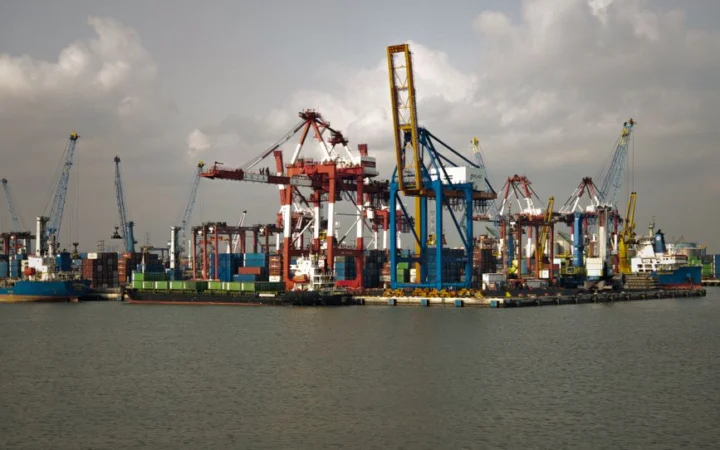
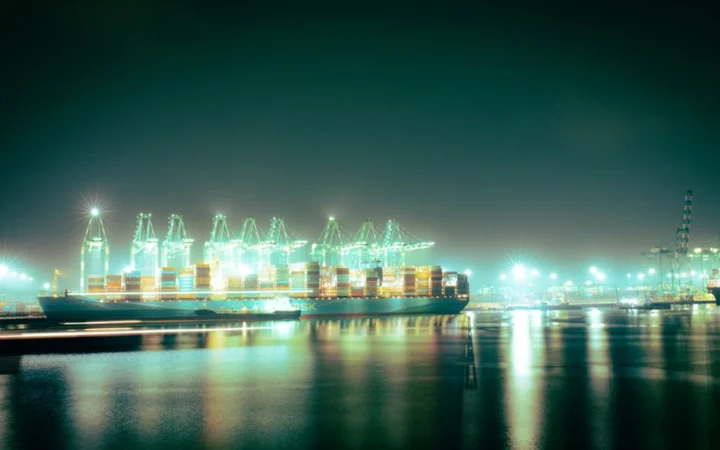
People in Britain often picture modern warfare as a series of instant missile strikes, imagining conflicts ending before the smoke even clears. But that mental picture totally misses the grueling, slow-moving machinery powering every single deployment. When military planners talk about a US Iran war logistics chain, they aren’t thinking about flashy tech. They are counting shipping containers, barrels of aviation fuel, and pallets of spare parts moving across thousands of miles of ocean.
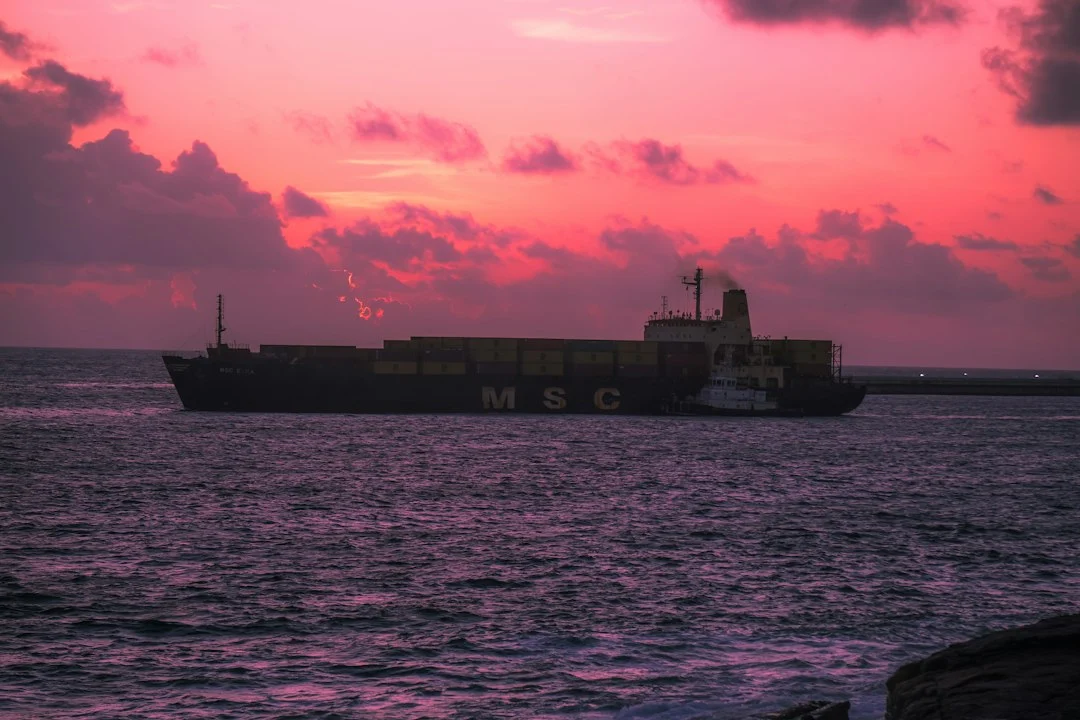
Believing that modern militaries can simply drop supplies from the sky indefinitely is a dangerous misconception. Cargo planes carry high-priority gear, sure, but heavy equipment requires cargo ships. Those vessels crawl across the Atlantic and the Mediterranean at a fraction of jet speed. A single disruption at a major naval choke point can freeze an entire supply chain for weeks.
The Fuel Problem Nobody Talks About
Another persistent myth claims that advanced armies operate with limitless energy reserves. Refined fuel drives every truck, tank, and jet. Without a continuous stream of tankers feeding regional depots, operations stall within days. Moving that fuel across volatile terrain requires massive security details. If you want a deeper look at how supply lines dictate outcomes in this region, read our breakdown of US Iran war logistics.
Maintaining these networks takes an army of contractors alongside uniformed personnel. Civilian trucking companies handle much of the heavy lifting inland. When security deteriorates, those civilian drivers simply refuse to roll. That friction point breaks down operations far faster than enemy fire.
How Observers Get US Iran War Logistics Wrong
Analysts sitting in London frequently miscalculate the sheer scale of maintenance needed to keep regional commands functioning. A jet fighter requires dozens of hours of servicing for every single hour in the air. Spare parts must travel from factories in the American Midwest straight to desert airfields. The US Iran war logistics web relies on a fragile web of international alliances, port access agreements, and aging transport fleets.
Britain’s own defense ministry watches these bottlenecks closely because UK bases in Cyprus and the Indian Ocean often plug the gaps. When supply routes stretch too thin, allies end up sharing the burden. Recognizing these practical limits helps cut through the noise of cable news pundits.
For more information, visit our website.
Related reading
- How to Track US Presidential Executive Orders from the UK
- US Energy Exports vs Domestic Reserves: What British Observers Need to Watch
Update: US Tariff Policy Updates
Update: US Visa Bulletin Backlogs: Why British Applicants Face Years of Waiting